
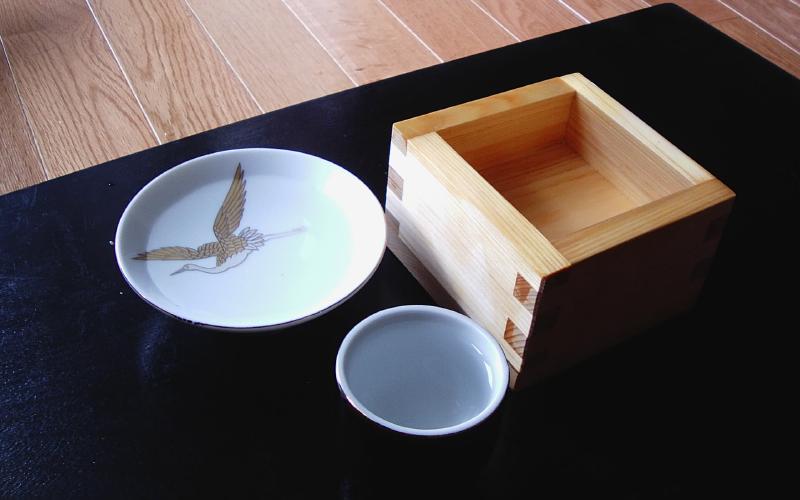
Japanese Sake: The Spirit of the Land of the Rising Sun
When travelers land in Japan, their culinary journey often focuses on sushi, ramen, or wagyu beef. However, no gastronomic exploration of the Land of the Rising Sun is complete without understanding its national beverage: Sake. Known domestically as Nihonshu (literally “Japanese liquor”), this fermented rice wine is far more than a simple alcoholic drink. It is a sacred fluid that binds the human realm with the divine, a craft perfected over millennia, and a central pillar of Japanese social culture.
Introduction
To the uninitiated, sake might appear to be a clear, vodka-like spirit, but its complexity rivals that of the finest French wines. Brewed from polished rice, water, yeast, and a magical mold known as koji, sake offers a flavor profile that ranges from dry and crisp to sweet and floral. Unlike wine, which is fermented from sugar-rich fruit, sake production is more akin to beer brewing, where starch must be converted into sugar before fermentation. Yet, the resulting liquid is uniquely Japanese—an embodiment of the country’s pristine water sources and the dedication of its artisans.
Origins: From Chewing to Brewing
The history of sake is deeply intertwined with the history of wet rice cultivation in Japan, which began during the Yayoi period (300 BC – 250 AD). The earliest forms of sake were likely quite different from the clear liquid we drink today.
Historians point to a primitive production method known as Kuchikamizake (mouth-chewed sake). In ancient rituals, villagers—often shrine maidens—would chew rice and spit it into a wooden tub. The enzymes in their saliva broke down the rice starches into fermentable sugars. While this might sound unappealing to modern sensibilities, it was a profoundly spiritual process used primarily for religious ceremonies.
Technological leaps occurred around the 7th century with the introduction of Koji mold (Aspergillus oryzae) from China, which replaced the chewing method. By the Heian period, sake brewing was codified by the Imperial Court, and by the Edo period, it had become a commercial industry available to the common people, leading to the sophisticated brewing techniques used today.
Legend: The Dragon and the Drink
Sake is so integral to the Japanese identity that it features prominently in the country’s creation myths. The most famous legend involving sake is the tale of Susanoo-no-Mikoto and the Yamata no Orochi, found in Japan’s oldest chronicles.
According to the legend, the storm god Susanoo descended to earth and encountered an elderly couple weeping because a terrifying eight-headed, eight-tailed dragon (Yamata no Orochi) had devoured seven of their daughters and was coming for the eighth, the princess Kushinada-hime.
Susanoo devised a cunning plan. He ordered the brewing of a potent, high-purity sake called Yashio-ori no Sake (eight-fold refined sake). He set out eight vats of this liquor as a trap. The gluttonous dragon, attracted by the aroma, dipped each of its eight heads into the vats and drank until it fell into a drunken stupor. Seizing the moment, Susanoo drew his sword and slew the beast, saving the princess. This myth underscores sake’s ancient reputation as a potent, magical substance capable of subduing even the most fearsome monsters.
Modern Culture
Today, sake culture is undergoing a renaissance. While traditional consumption saw a decline in the late 20th century due to the popularity of beer and whisky, a new generation of Toji (master brewers) is experimenting with rice varieties and polishing ratios to create premium artisanal sakes.
Modern sake is categorized primarily by how much of the rice grain is polished away. The more the rice is polished, the more refined and aromatic the flavor:
- Junmai: Pure rice wine with no added alcohol. Full-bodied and rich.
- Ginjo: Rice polished to at least 60%. Fruity and light.
- Daiginjo: Rice polished to at least 50%. The pinnacle of brewing art, often fragrant and complex.
In modern Japan, the Izakaya (Japanese pub) is the temple of sake consumption. Here, the drink is shared among colleagues and friends, serving as a social lubricant in a typically reserved society.
Traveler’s Tips
If you are planning a trip to Japan, navigating a sake menu can be daunting. Here are essential tips to enhance your experience:
- Hot or Cold? Don’t assume sake must be drunk hot. Premium sakes (Ginjo and Daiginjo) are usually served chilled (Reishu) to preserve their delicate aromatics. Earthier sakes (Junmai) are often delicious warm (Atsukan), especially in winter.
- Pouring Etiquette: Never pour your own drink. It is customary to pour for your companions and hold your cup (ochoko) when they pour for you. This act, known as Oshaku, builds relationships.
- Look for the Sugidama: When walking through historic districts, look for a large ball made of cedar branches hanging under the eaves of a building. This is a Sugidama, indicating a sake brewery (Sakagura). If the ball is green, new sake has just been pressed; if it’s brown, the sake has matured.
- Visit a Tasting Bar: Many train stations (like those in Niigata or Kyoto) have sake tasting walls where you can sample different grades for a small fee using vending machines.
Sources & Further Reading
For those interested in delving deeper into the history and mythology of sake, the following historical texts provide the foundational narratives of Japanese culture:
- The Kojiki (Records of Ancient Matters): Compiled in 712 AD, this text contains the myth of Susanoo and the wine-drinking dragon.
- The Nihon Shoki (The Chronicles of Japan): Compiled in 720 AD, this text offers further details on early brewing practices and the role of sake in the Imperial Court.
- Engishiki: A 10th-century book of laws and regulations that includes detailed instructions on ancient brewing methods.