
Unlocking the Man’yoshu: The Soul of Ancient Japan
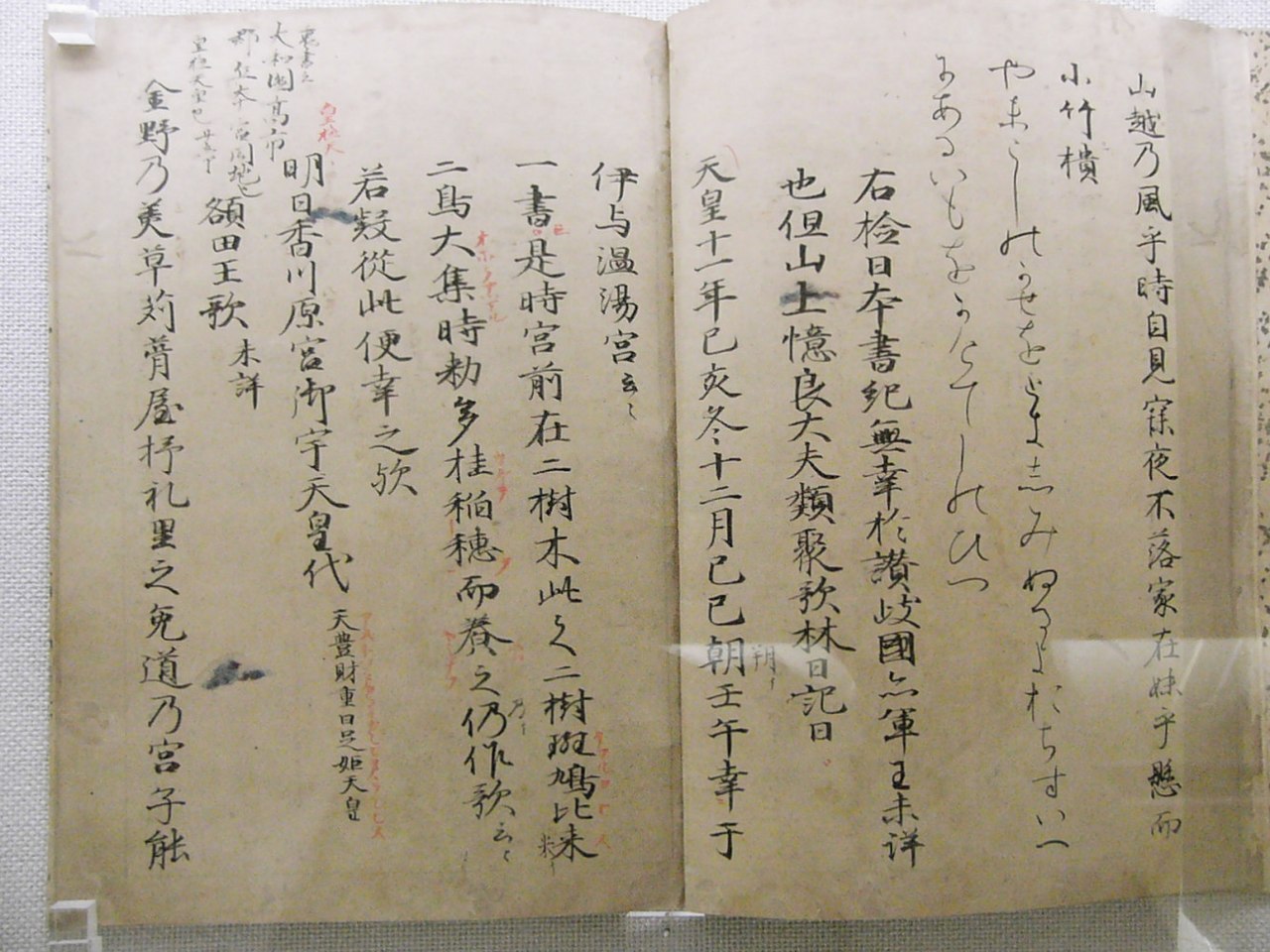
When travelers think of Japanese literature, the Tale of Genji often springs to mind. However, long before the refined courts of the Heian period, there was the Man’yoshu (Collection of Ten Thousand Leaves). As Japan’s oldest existing collection of poetry, it serves as a raw, emotional time capsule of the archipelago’s ancient soul. For cultural travelers and history buffs, understanding the Man’yoshu is essential to understanding the foundations of Japanese aesthetics, language, and the spirit of the Nara period.
The Origins: Voices of a Nation
Compiled primarily during the Nara period (710–794 AD), the Man’yoshu is a monumental anthology containing approximately 4,500 poems. Unlike later collections that were strictly commissioned by the Imperial court and focused on aristocratic refinement, the Man’yoshu is celebrated for its democratic breadth.
A Unique Compilation
While the compilation is often attributed to the nobleman Otomo no Yakamochi, the voices within the text range from Emperors and Empresses to frontier guards (Sakimori), farmers, and anonymous commoners. This diversity offers an unparalleled glimpse into the daily lives, loves, and hardships of people across all social strata in ancient Japan.
The Birth of Manyogana
Linguistically, the text is revolutionary. It was written before the invention of the Japanese syllabaries (Hiragana and Katakana). Instead, it utilized Chinese characters (Kanji) solely for their phonetic sound to represent the Japanese language—a system now known as Manyogana. This pivotal adaptation marked the beginning of a distinct Japanese literary identity, separating it from the Chinese literary domination of the time.
Legends and Themes: The “Makoto” of the Ancients
The defining aesthetic of the Man’yoshu is often described as makoto (sincerity) or masuraoburi (masculine frankness). The poems are not shrouded in complex metaphors but are direct expressions of strong emotion.
Tales of Love and Nature
While not a book of mythology like the Kojiki, the Man’yoshu preserves legends through verse. One famous recurring theme involves the personification of mountains. For instance, poems describe the legendary love triangle between Mount Kagu, Mount Miminashi, and Mount Unebi in the Yamato region. These geographical landmarks were treated as living deities, reflecting the deep animistic roots of Shinto.
The Frontier Guards
A poignant section of the anthology is dedicated to the Sakimori—soldiers sent from the east to guard the western frontiers. Their poems are filled with the heartbreak of leaving families behind and the fear of dying in a strange land. These verses strip away the glory of war, leaving only the human element exposed.
Modern Culture: The Dawn of “Reiwa”
The Man’yoshu saw a massive resurgence in global popularity in 2019. When Emperor Naruhito ascended the throne, the Japanese government announced the new era name: Reiwa (Beautiful Harmony).
For the first time in history, the era name was drawn from a classic Japanese text rather than Chinese literature. The characters were taken from a Man’yoshu preface regarding a gathering to view plum blossoms (Ume). This decision signaled a modern Japan that is looking back to its indigenous roots to define its future identity. Today, the text is no longer just a dusty academic subject; it is the namesake of the current generation.
Traveler’s Tips: Experiencing the World of Man’yoshu
If you want to walk in the footsteps of these ancient poets, you must venture beyond Tokyo.
- Visit Nara and Asuka: This region is the heartland of the Man’yoshu. The Nara Prefecture Complex of Man’yo Culture in Asuka village offers interactive exhibits that bring the poems to life.
- Manyo Botanical Gardens: Located at Kasuga Taisha Shrine in Nara, this garden cultivates hundreds of plant species mentioned in the anthology. Each plant is displayed alongside the poem that references it.
- Yamanobe-no-Michi Trail: This is Japan’s oldest road. Hiking this trail allows you to see the very landscapes—Mount Miwa and the Yamato plain—that inspired the ancient poets.
Sources & Further Reading
To deepen your understanding of ancient Japan, consider exploring these foundational texts alongside the Man’yoshu:
- The Kojiki (Records of Ancient Matters): For the mythological origin stories of Japan’s gods.
- The Nihon Shoki (The Chronicles of Japan): For a more historical (though still legendary) account of the Imperial lineage.
- The Tale of the Bamboo Cutter: Considered the oldest Japanese prose narrative.
The Man’yoshu remains a testament to the power of the human voice. Whether you are reading a translation in a cozy cafe or hiking the ancient paths of Nara, the “Ten Thousand Leaves” continue to rustle with life, bridging a gap of over 1,200 years.