
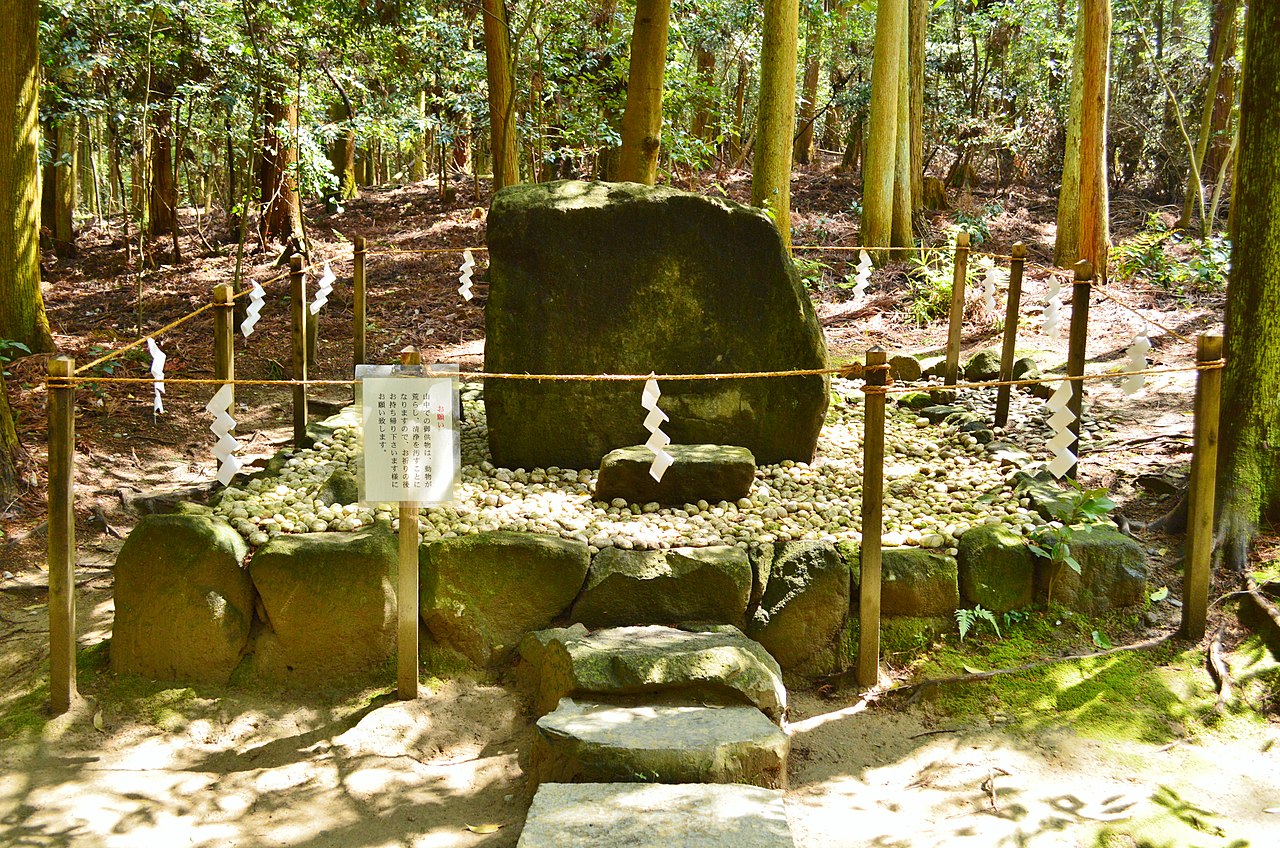
Unveiling Iwakura: The Divine Rock Dwellings of Shinto
When travelers envision Shintoism, images of vermilion torii gates and elegant wooden shrines often come to mind. However, long before architecture defined sacred spaces in Japan, nature itself was the temple. Deep within ancient forests and perched upon misty mountains lie massive, imposing boulders known as Iwakura (磐座). These are not merely geological formations; they are the ancient dwelling places of the gods.
Exploring Iwakura offers a profound glimpse into the animistic roots of Japanese culture, inviting travelers to step back into a time when the boundary between the physical and the spiritual was defined by the raw power of nature.
Origins: The Roots of Nature Worship
To understand Iwakura, one must look back to Koshinto (Old Shinto), the primordial form of Japanese spirituality practiced before the introduction of Buddhism in the 6th century. In this era, there were no shrine buildings. The ancient Japanese believed that Kami (spirits or gods) did not reside permanently in one spot but would descend from the heavens to visit the human realm.
The term Iwakura literally translates to “rock seat” or “rock throne.” These massive stones served as yorishiro—antennas or vessels capable of attracting and housing divine spirits during rituals. Unlike a statue, the rock was not worshiped as an idol itself; rather, it was worshiped for the energy it contained. It marked a sacred precinct, often demarcated by a straw rope known as a shimenawa, signifying that the ground within was holy.
Historians suggest that as shrine architecture developed (likely influenced by continental styles), the focus shifted from the rock to the building. However, at many of Japan’s oldest holy sites, the wooden shrine is merely a worship hall (haiden), while the main deity remains housed within the Iwakura behind it, hidden in the forest.
Legend and Mythology
The significance of Iwakura is deeply entrenched in Japan’s creation myths, recorded in the 8th-century chronicles, the Kojiki (Records of Ancient Matters) and the Nihon Shoki (The Chronicles of Japan). These texts provide the spiritual framework for rock worship.
One of the most poignant connections is the descent of the heavenly deities. Legends often describe gods descending from the High Plain of Heaven (Takamagahara) to mountain peaks, landing upon massive boulders. These rocks became the physical interface between the celestial and terrestrial worlds.
Perhaps the most famous mythological parallel is the story of Amano-Iwato (The Heavenly Rock Cave). According to the Kojiki, the sun goddess Amaterasu hid inside a rock cave, plunging the world into darkness. While this refers to a cave rather than a boulder, the linguistic and spiritual connection underscores the belief that stone possesses the power to conceal, reveal, and house divine energy. In many local legends, specific Iwakura are said to be the petrified remains of mythological beasts or the seats where gods sat to survey the land they created.
Modern Culture and Power Spots
In contemporary Japan, the ancient reverence for Iwakura has experienced a resurgence under the guise of “Power Spots.” Modern Japanese urbanites and tourists alike flock to these locations seeking spiritual rejuvenation, healing, and good fortune.
The concept of Iwakura also permeates pop culture. In the global anime phenomenon Your Name (Kimi no Na wa), the protagonist visits a sacred crater housing a god—a visual representation deeply rooted in the Iwakura tradition of the deity residing in natural, rocky landscapes. This blend of ancient tradition and modern media keeps the concept alive for younger generations.
Despite modernization, the aura surrounding these stones remains unchanged. They are places of silence and awe, standing in stark contrast to the neon lights of Tokyo. They represent the endurance of nature and the persistent belief that the land itself is alive.
Traveler’s Tips: Where to Find Iwakura
If you wish to experience the raw power of Iwakura, you must venture slightly off the beaten path. Here are three essential sites for the spiritual traveler:
1. Kamikura Shrine (Wakayama Prefecture)
Located in the spiritual heartland of Kumano, this is perhaps the most iconic example of Iwakura. A massive boulder known as Gotobiki-iwa perches precariously on a cliffside. According to legend, this is where the Kumano gods first descended. The climb involves over 500 steep stone steps, but the presence of the rock is overwhelming.
2. Omiwa Shrine (Nara Prefecture)
Omiwa is one of Japan’s oldest shrines and is unique because it has no main hall (honden) to house the deity. Instead, the mountain itself (Mt. Miwa) is the god, and the massive rocks scattered within its forbidden borders serve as the altars. It is the purest surviving form of Koshinto.
3. Hana no Iwaya (Mie Prefecture)
Recognized as a UNESCO World Heritage site, this massive rock face is said to be the tomb of Izanami, the creator goddess. It towers over the coastline, dwarfing the visitors below, and is a site of immense sorrow and power in Japanese mythology.
Etiquette Tip: When approaching an Iwakura, treat it with the same respect as a temple. Bow before entering the space. If there is a shimenawa (rope) around the rock, do not touch it or cross it. These boundaries protect you from the intensity of the spirit within.
Sources & Further Reading
To deepen your understanding of the mythology and history surrounding Iwakura, the following texts are essential:
- The Kojiki (Records of Ancient Matters): Translated by Basil Hall Chamberlain or Donald L. Philippi. This text details the origin of the Kami and the creation of Japan.
- The Nihon Shoki (The Chronicles of Japan): Translated by W.G. Aston. This serves as a complementary historical record to the Kojiki, offering slightly different variations of the rock legends.
- Shinto: The Kami Way by Sokyo Ono: A great primer for understanding the transition from nature worship to organized religion.