
Kinsokuchi: Unveiling Japan’s Sacred Forbidden Lands
Japan is often celebrated for its welcoming hospitality, neon-lit streets, and open temples. However, hidden within the lush forests, remote islands, and even bustling city centers lie pockets of land where no human is allowed to tread. These are known as Kinsokuchi (禁足地), literally translating to “forbidden foot land.” They are sacred, sometimes feared, and always respected spaces where the veil between the human world and the divine is perilously thin.
For the culturally curious traveler, understanding Kinsokuchi offers a fascinating glimpse into the animistic roots of Shinto and the deep-seated spiritual boundaries that still govern modern Japanese life.
The Origins of the Forbidden
To understand why a piece of land becomes forbidden, one must look into the ancient Shinto worldview. Shinto is not a religion of scripture, but one of nature and purity. The world is inhabited by Kami (gods or spirits), who reside in natural features like rocks, trees, mountains, and waterfalls.
In ancient times, specific areas were designated as Himorogi or Iwasaka—temporary or permanent dwelling places for the gods. To enter these spaces without priesthood rituals was seen as a violation of purity (Kegare). The concept of Kinsokuchi arose from the need to preserve the sanctity of the Kami.
However, not all forbidden lands are benevolent. Some are sealed off because they are believed to be cursed (Tatari-chi). These might be sites of ancient battles, execution grounds, or places where angry spirits are thought to dwell. The barrier—often marked by a Shimenawa (sacred straw rope) and Shide (zig-zag paper streamers)—serves a dual purpose: to keep the sacred in, and to protect the profane human world from being overwhelmed by spiritual power.
Legends of the Off-Limits
While there are thousands of small Kinsokuchi across Japan, a few carry legends that have terrified and fascinated locals for centuries.
Yawata no Yabushirazu (Chiba Prefecture)
Perhaps the most famous forbidden spot is a small bamboo thicket in Ichikawa City called Yawata no Yabushirazu. Despite being located in a mundane urban area, local lore insists that “once you enter, you can never leave.” Legends range from it being a cursed execution ground of the samurai Taira no Masakado to being a toxic gas vent. To this day, the thicket remains untouched by developers, fenced off and guarded by a small shrine, standing as a silent, green void in a concrete jungle.
Okinoshima (Fukuoka Prefecture)
The entire island of Okinoshima is a UNESCO World Heritage site and a massive Kinsokuchi. Dedicated to the safety of seafarers, the island is strictly off-limits to women. Even men are generally forbidden, except for priests who must perform naked purification rituals in the ocean before stepping ashore. Nothing from the island—not even a blade of grass—can be taken away.
The Sacred Mount Miwa (Nara Prefecture)
Mount Miwa is one of the oldest sacred sites in Japan. It is the body of the god Omononushi. While not entirely forbidden, it operates under strict Kinsokuchi-adjacent rules. Hiking is permitted only after registration and purification, eating is banned, photography is prohibited, and one must never speak of what they saw on the mountain.
Modern Culture and Taboo
In modern Japan, Kinsokuchi serves as a potent narrative device and a reminder of the past. Pop culture, including Anime and Manga (such as Jujutsu Kaisen or the films of Studio Ghibli), frequently draws upon the trope of the “sealed land” to evoke mystery and horror.
Culturally, these sites represent a rare resistance to modernization. In a country where real estate is at a premium, the fact that plots of land like Yawata no Yabushirazu remain undeveloped speaks to the genuine respect—and fear—Japanese society holds for the unseen. They are physical manifestations of the boundary between the mundane and the divine, proving that some traditions are stronger than economic incentive.
Traveler’s Tips: Respecting the Boundary
If you encounter a Kinsokuchi during your travels, it is vital to observe proper etiquette. These are not tourist traps; they are active religious or spiritual sites.
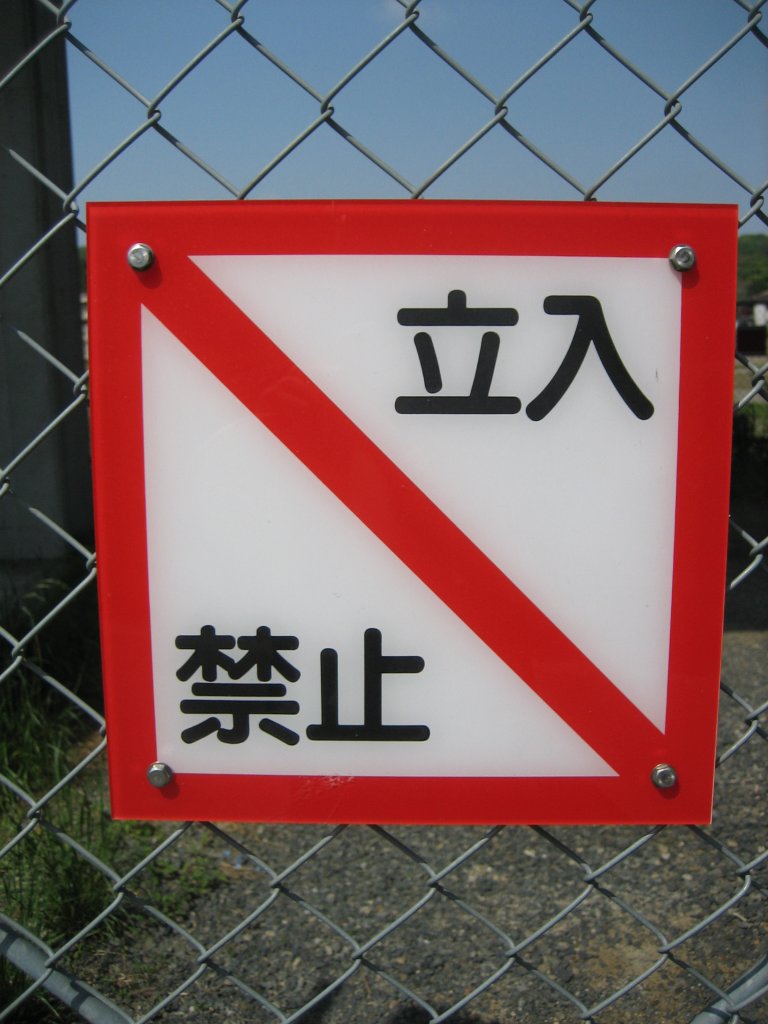
- Look for Signs: Kinsokuchi are usually marked by stone pillars, wooden fences, or the Shimenawa rope. If you see a sign that says “Tachi-iri Kinshi” (立入禁止 – No Entry), obey it immediately.
- No Photography: While photographing the exterior is usually acceptable, pointing your lens into the sacred interior is often considered rude or bad luck. If in doubt, keep the camera away.
- Silence: Maintain a respectful volume. These are places of deep spiritual gravity.
- Do Not Touch: Never cross the barrier or touch the sacred ropes. The boundary is there for your protection as much as for the Kami.
Sources & Further Reading
For those interested in the deep history of Japanese mythology and the concept of sacred spaces, the following texts provide the foundation for these beliefs:
- The Kojiki (Records of Ancient Matters): Japan’s oldest chronicle, detailing the origins of the Kami and the formation of the islands.
- The Nihon Shoki (The Chronicles of Japan): A more detailed historical record that complements the Kojiki.
- Yanagita Kunio’s “The Legends of Tono” (Tono Monogatari): A pivotal collection of Japanese folklore that explores the relationship between humans, spirits, and the natural landscape.