
Exploring the Harima Fudoki: Ancient Myths of Hyogo
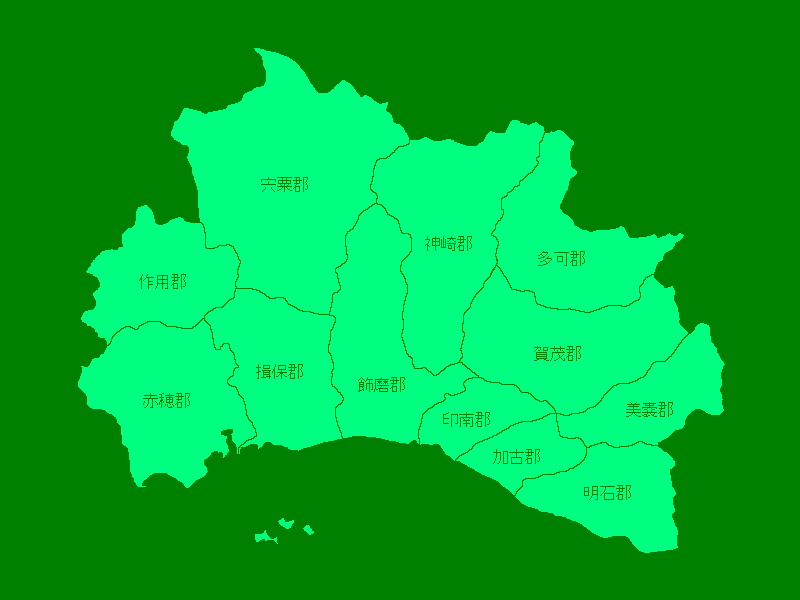
When travelers dream of ancient Japan, their minds often wander to the well-trodden stone paths of Kyoto or the deer-filled parks of Nara. However, just west of these capitals lies a region rich in a deeper, more primal history: Harima Province, known today as the southwestern part of Hyogo Prefecture. While the imperial history books (Kojiki and Nihon Shoki) focus on the divine lineage of Emperors, there exists a set of ancient provincial gazetteers known as Fudoki that tell the stories of the land and its people. Among the few that have survived the centuries, the Harima Fudoki stands out as a treasure trove of local folklore, geography, and magic.
Origins of the Text
The story of the Harima Fudoki begins in the Nara Period. In 713 CE, Empress Genmei issued a landmark imperial decree. She ordered the governors of every province in Japan to compile detailed reports describing their regions. These reports were to include the names of plants, animals, and soil conditions, the etymology of place names, and the local oral traditions passed down by elders.
While almost all of these documents were lost to time, fire, and war, the Harima Fudoki is one of only five that remain mostly intact (alongside those of Izumo, Hitachi, Hizen, and Bungo). Written around 715 CE, it provides a fascinating snapshot of ancient Japan that differs significantly from the official court chronicles. Instead of focusing solely on political centralization, the Harima Fudoki offers a chaotic, vibrant collection of myths where gods reshape the landscape and giants walk the earth.
Legends of the Land
What makes the Harima Fudoki so captivating for cultural travelers is its unique mythology. These stories explain why a hill is shaped a certain way or why a specific river flows where it does.
The Giant Amanohoko
One of the most distinct figures in the Harima legends is a giant deity known as Amanohoko-no-kami. Unlike the refined gods of the imperial court, Amanohoko was a towering figure connected to the land itself. According to the text, his physical stature was so immense that his body parts formed various geographical features. It is said that he walked the lands of Harima, and in his interactions with other deities, he helped shape the topography of the region. This suggests a pre-Yamato worldview where the earth was molded by massive, primordial forces.
The Origins of Sake
The Harima Fudoki contains what many believe to be the earliest written reference to sake brewing using mold (koji) in Japan. The text recounts a story where dried boiled rice (kare-i-i) offered to the gods became wet and grew mold. Rather than discarding it, the people brewed it into sake and held a feast. This legend cements Harima’s reputation as a cradle of Japanese sake culture, a legacy that continues in Hyogo Prefecture today.
Emperor Ojin and Place Names
A significant portion of the text is dedicated to Emperor Ojin (also known as Homuda). The Fudoki describes his various hunting expeditions and travels through Harima. Unlike the grand political narratives, these stories are surprisingly intimate, explaining place names based on mundane events—such as where his dog barked, where he dropped a possession, or where he ate a meal. These “folk etymologies” anchor the divine emperor to the physical soil of Hyogo.
Modern Culture and Legacy
Today, the legacy of the Harima Fudoki is not just dust on a scroll; it is living history. Hyogo Prefecture is immensely proud of this heritage. The region is currently the largest producer of sake rice (Yamada Nishiki) in Japan, a direct cultural lineage to the ancient brewing legends found in the text.
Furthermore, local shrines often cite the Fudoki to explain their origins. It serves as a source of local pride, distinguishing the identity of the Harima region (centering around Himeji and Akashi) from the neighboring Settsu region (Kobe and Osaka). Scholars and locals alike use the text to reconstruct the ancient landscape, tracing the coastline as it existed 1,300 years ago.
Traveler’s Tips: Walking the Fudoki
If you want to experience the world of the Harima Fudoki, steer off the main Shinkansen line and explore the heart of Hyogo.
- Iwa Shrine (Shiso City): This ancient shrine is dedicated to deities mentioned in the Fudoki. It is a spiritual power spot surrounded by dense forest, offering a glimpse into the animistic worship of the 8th century.
- Hyogo Prefectural Museum of History (Himeji): Located near the famous Himeji Castle, this museum often features exhibits related to local archaeology and the Fudoki, providing context to the myths.
- Sake Brewery Tours: Visit the Nadagogo area or local breweries in the Harima heartland. While sipping premium sake, remember the legend of the moldy rice that started it all.
- Hiking Mount Seppiko: For the adventurous, the rugged terrain of northern Harima offers hiking trails that traverse the very mountains where these ancient gods were said to dwell.
Sources & Further Reading
To deepen your understanding of ancient Japanese literature and mythology, consider cross-referencing the Harima Fudoki with these primary texts:
- The Kojiki (Records of Ancient Matters): For the official imperial mythology.
- The Nihon Shoki (The Chronicles of Japan): For a historical timeline paralleling the Fudoki era.
- Records of Wind and Earth: A Translation of Fudoki: Various academic translations (such as those by Michiko Y. Aoki) are available for English readers seeking the direct text of these provincial records.