
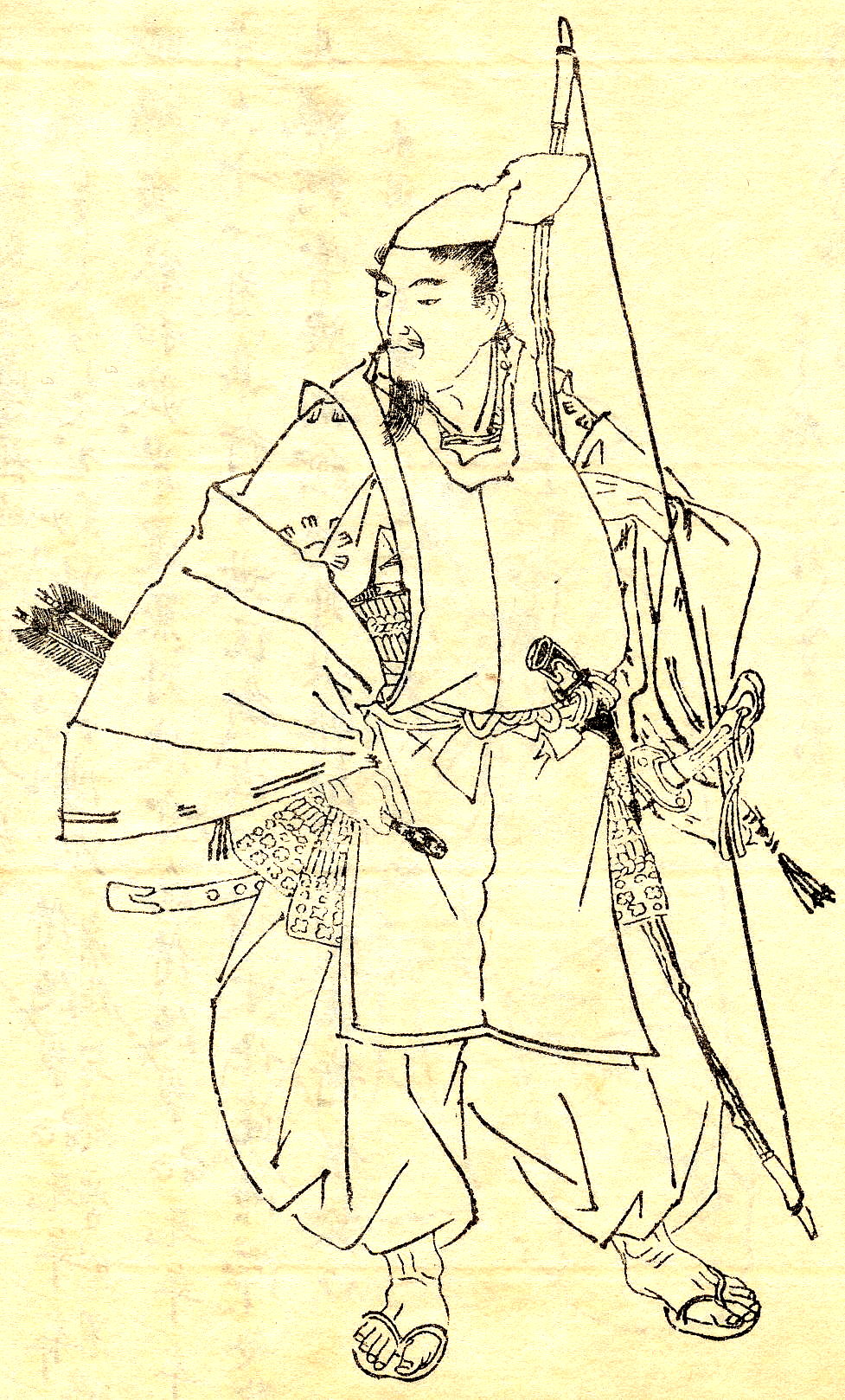
Minamoto no Yorimitsu: The Legendary Demon Slayer Samurai
When travelers think of samurai, images of the Warring States period or the stoic warriors of the Edo era often come to mind. However, long before the rise of the shogunate, there existed a warrior class in the Heian period that blurred the lines between history and mythology. Standing tall among them is Minamoto no Yorimitsu, also widely known by the Sino-Japanese reading of his name, Raiko.
More than just a military commander, Yorimitsu is celebrated in Japanese folklore as the ultimate demon hunter. His tales of vanquishing terrifying yokai (monsters) have inspired centuries of art, theater, and now, modern pop culture. Join us as we journey back to 10th-century Japan to uncover the man behind the sword.
Origins: The Historical Reality
Minamoto no Yorimitsu (948–1021) was a real historical figure, born into the prestigious Seiwa Genji line of the Minamoto clan. He served during the mid-Heian period, a time often romanticized for its courtly elegance, poetry, and the dominance of the Fujiwara clan.
While his legends paint him as a supernatural warrior, the historical Yorimitsu was a pragmatic and highly successful military commander. He served the Fujiwara regents loyally, holding various governorships and protecting the capital, Kyoto, from bandits and rebels. His ability to navigate the complex politics of the imperial court allowed the Minamoto clan to flourish, laying the groundwork for the samurai class’s eventual rise to power.
Unlike the rough warriors of later centuries, Yorimitsu was a man of the capital—cultured, wealthy, and deeply embedded in the aristocracy, which perhaps explains why storytellers later chose him as the perfect hero to defend the civilized world from the “barbaric” forces of the supernatural.
The Legend of Raiko and the Four Guardians
It is in the realm of folklore that Minamoto no Yorimitsu truly shines. In these tales, he is rarely alone; he is accompanied by his four legendary retainers, known as the Shitenno (Four Guardians). The most famous of these is Sakata no Kintoki, the inspiration for the “Golden Boy” Kintaro.
The Slayer of Shuten-doji
The most celebrated legend involving Yorimitsu is his expedition to Mount Ooe. According to the Otogizoshi, the capital was plagued by disappearances attributed to Shuten-doji, a terrifying oni (demon) king with a red face and a love for human flesh and alcohol.
Under imperial order, Yorimitsu and his retainers disguised themselves as mountain ascetics (yamabushi) to infiltrate the demon’s lair. Using a divine sake (poisoned specifically for demons) given to them by deities, they tricked Shuten-doji into a drunken stupor. Yorimitsu then beheaded the monster with his famous sword, the Dojigiri Yasutsuna, freeing the captives and restoring peace to Kyoto.
The Earth Spider (Tsuchigumo)
Another famous tale involves the Tsuchigumo, or Earth Spider. In one version, a sickly Yorimitsu is tormented by a strange monk who tries to trap him in webs. Yorimitsu strikes the monk, who flees. Upon following the trail of blood, Yorimitsu and his men discover a giant spider, which they promptly dispatch. This story is a staple in Noh and Kabuki theater, symbolizing the warrior’s vigilance even in illness.
Minamoto no Yorimitsu in Modern Culture
Today, Raiko has transcended traditional folklore to become a global pop culture icon. The character appears frequently in anime, manga, and video games, often reimagined in fantastical ways.
- Video Games: In the Fate/Grand Order franchise, Raiko is depicted as a powerful female Berserker class servant, a twist that highlights the flexibility of modern interpretations. In the Nioh series, the lore adheres closer to the demon-slaying history.
- Anime: Characters based on Yorimitsu appear in series like Gintama and Otogi Zoshi, keeping the name alive for a younger generation.
These modern adaptations ensure that the legend of the demon slayer remains relevant, serving as a gateway for fans to explore traditional Japanese history.
Traveler’s Tips: Walking in His Footsteps
For cultural travelers fascinated by the legend of Raiko, there are specific sites in Japan where the veil between history and myth feels particularly thin.
- Tada Shrine (Hyogo Prefecture): This shrine is the ancestral site of the Seiwa Genji clan. Minamoto no Yorimitsu is enshrined here, and it is a fantastic spot to understand the historical weight of his lineage.
- Mount Ooe (Kyoto Prefecture): The legendary home of Shuten-doji. Today, it features the Japanese Oni Exchange Museum, where you can learn about the history of oni and the legend of Yorimitsu’s conquest. The area offers beautiful hiking trails that retrace the steps of the expedition.
- Seimei Shrine (Kyoto): Dedicated to Abe no Seimei, the famous onmyoji (yin-yang master) who was a contemporary of Yorimitsu. It provides context to the spiritual atmosphere of the Heian period in which Raiko lived.
Sources & Further Reading
To dive deeper into the tales of Minamoto no Yorimitsu, look into these classical texts and resources:
- Konjaku Monogatarishu (Anthology of Tales from the Past): A collection of stories from the late Heian period that includes early accounts of Yorimitsu’s exploits.
- Otogizoshi: A collection of Muromachi-period narratives that solidified the famous version of the Shuten-doji legend.
- The Taiheiki: While focusing on later wars, it references the lineages and swords associated with the Minamoto clan.
Minamoto no Yorimitsu remains a towering figure where history meets fantasy. Whether you view him as a shrewd political operator or the peerless slayer of monsters, his legacy is an enduring part of Japan’s cultural soul.