
The Legend of Shinigami: Unveiling Japan’s Mysterious Death Spirits
When travelers think of Japanese mythology, they often envision the benevolent spirits of nature, the trickster kitsune (foxes), or the sacred torii gates guarding Shinto shrines. However, lurking in the shadows of Japanese folklore is a darker, more enigmatic figure: the Shinigami, or “Death God.”
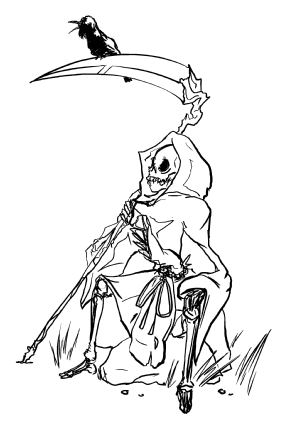
Unlike the singular, scythe-wielding Grim Reaper of Western tradition, Shinigami are often plural, complex entities that have evolved significantly from feared spirits of the Edo period to sword-wielding heroes in modern pop culture. For the culturally curious traveler, understanding the Shinigami offers a fascinating glimpse into how Japan views mortality, fate, and the supernatural.
Origins: A Convergence of Beliefs
The concept of the Shinigami is surprisingly modern compared to the ancient gods found in Shintoism. In fact, the specific term “Shinigami” does not appear in classical Japanese mythology in the same way deities like Amaterasu (the Sun Goddess) do. Instead, the Shinigami is a cultural hybrid, born from the intersection of indigenous Shinto beliefs, Buddhism, and literary invention.
In Buddhism, entities known as Mrtyu-mara possess humans and urge them toward death, while Shintoism acknowledges the impurity of death (kegare). However, it wasn’t until the Edo period (1603–1867) that the distinct concept of a “spirit of death” that possesses humans began to take shape. These entities were not necessarily judges of the afterlife but rather malevolent forces that disturbed the minds of the living, pushing them toward tragic ends.
Legend: The Whisperers of Fate
The lore of the Shinigami is deeply entwined with the dramatic arts of Bunraku (puppet theater) and Kabuki. One of the most pervasive legends surrounding Shinigami is their role in shinju, or double suicides.
In classic tales, a Shinigami is not an executioner who physically kills a person. Instead, they are depicted as possessing spirits. They cloud the judgment of the living, making death seem like an appealing or unavoidable option. It is said that when a person is possessed by a Shinigami, they lose their will to live or become obsessed with ending their life, often dragging a lover with them.
There is also a folk superstition involving candles. It is said that a Shinigami can be seen at the bedside of a sick person. If the spirit sits at the foot of the bed, the patient may recover. However, if the Shinigami sits at the head of the bed, death is imminent. This particular lore emphasizes the Shinigami as a harbinger of fate rather than a murderer.
Modern Culture: From Horror to Heroism
If you ask a younger generation about Shinigami, they likely won’t mention Bunraku theater. Instead, they will reference Death Note, Bleach, or Soul Eater. In the late 20th and early 21st centuries, Japanese pop culture radically reinvented the Shinigami.
In these modern iterations, Shinigami are often bureaucratic functionaries or spiritual warriors whose job is to ferry souls to the afterlife or maintain the balance between worlds.
- Death Note: Features Ryuk, a bored Shinigami who drops a notebook capable of killing anyone whose name is written in it, acting as a chaotic neutral observer.
- Bleach: Depicts Shinigami as samurai-like guardians (