
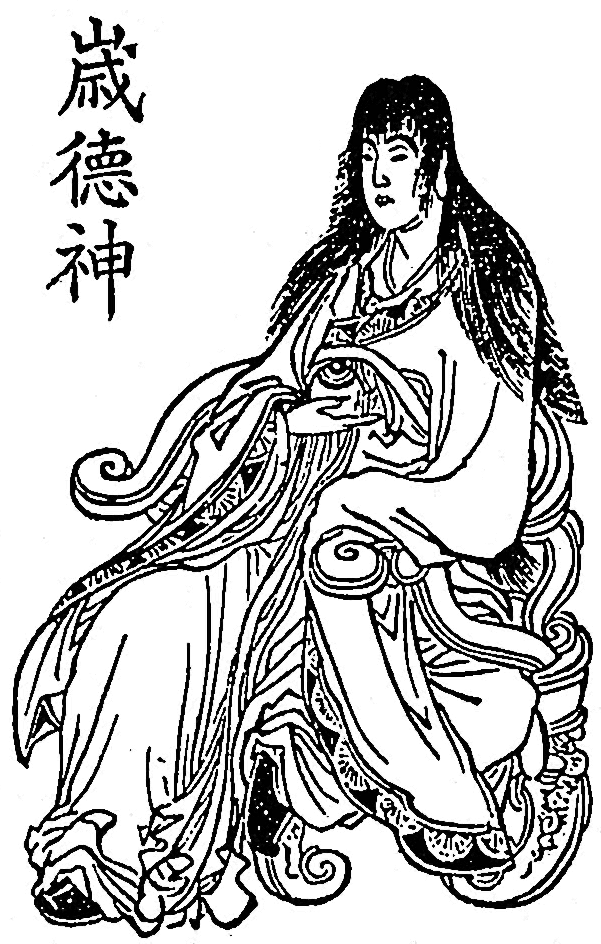
Toshitokujin: The Wandering God of Good Fortune
If you find yourself in Japan during the transition from winter to spring, you might notice people obsessively checking their compass apps or eating large sushi rolls in complete silence while facing a very specific corner of the room. This isn’t a modern fad; it is a centuries-old homage to Toshitokujin, the “God of the Year” and the master of the Lucky Direction.
For cultural travelers, understanding Toshitokujin unlocks the deeper spiritual meaning behind Japan’s New Year (Shogatsu) and the bean-throwing festival (Setsubun). He is the celestial guest of honor in every Japanese home, bringing the promise of a bountiful harvest and good health.
The Origins of the Year God
The concept of Toshitokujin (歳徳神) is a fascinating blend of indigenous Shinto beliefs and Onmyodo (traditional Japanese cosmology and divination derived from Chinese philosophy). In ancient agrarian Japan, the New Year was not just a change on the calendar; it was a critical spiritual reset. The “Toshigami” (Year God) was believed to visit households to grant the “toshi” (which originally meant rice harvest or grain, before it came to mean “year”).
Toshitokujin is essentially the specific manifestation of this visiting deity. According to Onmyodo principles, the deity does not reside in one place permanently. Instead, Toshitokujin moves to a different cardinal direction every year based on the zodiac cycle. This direction is known as the Eho (恵方), or the “Lucky Direction.” Everything done facing this direction—whether praying, eating, or starting a business—is said to meet with success.
Legend and Identity
Unlike the well-defined gods of Greek mythology, Toshitokujin’s identity is somewhat fluid, often shifting between different interpretations depending on the region and the era.
In some traditions, Toshitokujin is portrayed as a beautiful goddess, identified as Harisaijo (Hari-sai-nyo), the wife of one of the sons of the storm god Susanoo. In this guise, she represents fertility, grace, and the nurturing aspect of the earth that allows crops to grow.
In other depictions, the deity is seen as an old man, closely resembling the iconography of the Seven Lucky Gods. Despite these varying images, the core legend remains the same: Toshitokujin descends from the high mountains (or the heavens) at the start of the year. The Kadomatsu (bamboo and pine decorations) placed at the entrances of Japanese homes and businesses serve as temporary housing (yorishiro) or beacons to guide this spirit inside, ensuring the family receives his blessings of vitality and prosperity.
Modern Culture: The Eho-Maki Phenomenon
While Toshitokujin is technically the god of the New Year, his presence is most palpably felt in modern pop culture during Setsubun, which falls typically on February 3rd (the day before the beginning of spring in the old lunar calendar).
The most famous custom associated with Toshitokujin today is the eating of Eho-maki (lucky direction rolls). These are thick uncut sushi rolls containing seven ingredients (representing the Seven Lucky Gods). The ritual is strict and fun:
- Determine the Eho: You must face the specific lucky direction of the year determined by Toshitokujin’s position (e.g., South-South-East).
- Silence is Golden: You must eat the entire roll without stopping and without speaking. Speaking is said to let the luck escape from your mouth.
- Make a Wish: While eating, you focus intently on your wish for the year.
Convenience stores and luxury department stores alike go into a frenzy advertising these rolls, keeping the legend of Toshitokujin alive in a highly commercialized, yet spiritually rooted, manner.
Traveler’s Tips: Experiencing the Luck
If you are planning a trip to Japan in January or early February, here is how you can engage with the lore of Toshitokujin:
- Check the Compass: Even if you aren’t eating sushi, many shrines will have a sign indicating the “Eho” for the current year. When you offer a prayer, being mindful of this direction is a nice nod to local custom.
- Visit a Shrine for Setsubun: Major shrines like Senso-ji in Tokyo or Yasaka Shrine in Kyoto hold massive festivals. While these often focus on throwing beans to scare away demons (Oni), they are fundamentally about clearing the path for Toshitokujin to bring in fortune.
- Look for Decorations: In early January, observe the shimekazari (straw ropes) and kadomatsu on doors. These are the welcome mats for the god. Treat them with respect; do not touch or damage them.
- Buy an Omamori: Many shrines sell amulets specifically for the new year. Look for those labeled as Kaiun (opening luck), which channel the energy of the Year God.
Sources & Further Reading
For those interested in diving deeper into the theology and history behind Japanese deities, the following texts and subjects offer a wealth of information:
- The Kojiki (Records of Ancient Matters): While Toshitokujin appears more prominently in later Onmyodo texts, the lineage of Susanoo and the concept of agricultural kami are rooted here.
- Engishiki: An ancient Japanese book of laws and regulations that details Shinto rituals.
- Onmyodo History: Researching the Koyomi (Japanese almanac) reveals how Chinese divination shaped the movement of gods like Toshitokujin.
Toshitokujin reminds us that luck is not stationary; it moves, it changes, and to catch it, we must align ourselves with the flow of the universe.