
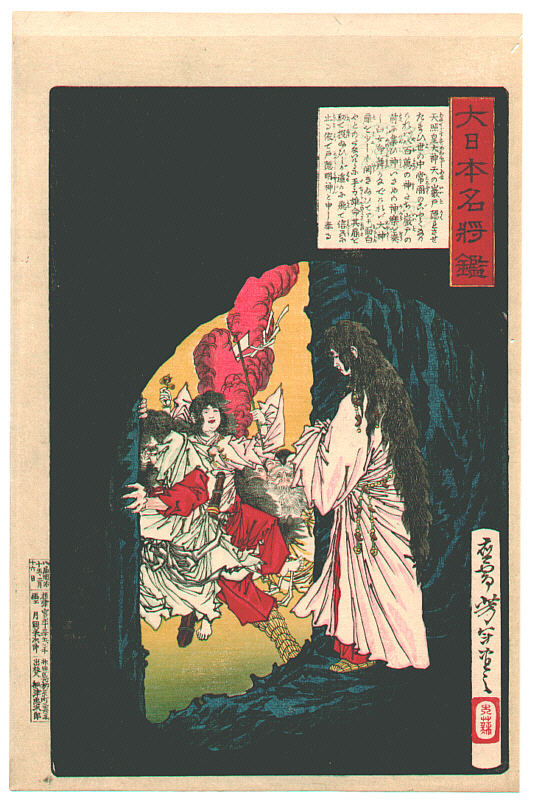
Ame-no-Tajikarao: The Unsung Hero of Japanese Mythology
When travelers think of Japanese mythology, images of the Sun Goddess Amaterasu or the Storm God Susanoo often come to mind. However, behind the elegant rituals and serene shrines lies a celebration of raw physical power. Enter Ame-no-Tajikarao (天手力男神), the Shinto god of strength, sports, and physical might. Without his muscle, Japanese mythology suggests the world might still be shrouded in eternal darkness.
For culture enthusiasts and travelers trekking through the Japanese Alps, understanding Tajikarao offers a fascinating glimpse into how ancient legends shape modern geography and sports.
The Origins of the “Handy Strength” God
The name Ame-no-Tajikarao roughly translates to “Heavenly Hand Strength Male.” Unlike deities associated with agriculture, wisdom, or war strategy, Tajikarao represents the concept of brute force used for a benevolent cause. He is the divine embodiment of physical capability.
In the ancient texts, he is not depicted as a god of violence, but rather as a guardian of unwavering stability. His existence highlights a crucial aspect of Shinto belief: that physical strength is a virtue when applied to protect the community and restore order. While he appears in fewer stories than the primary creative deities, his role is pivotal in the most famous event in Shinto lore.
The Legend: Bringing Back the Sun
The most significant myth involving Ame-no-Tajikarao is the Opening of the Heavenly Rock Cave (Ama-no-Iwato).
According to the legends, the Sun Goddess Amaterasu, distraught by the violent behavior of her brother Susanoo, fled into a cave and sealed the entrance with a massive boulder. Her disappearance plunged the heavens and the earth into chaos and darkness.
The other eight million gods (Yaoyorozu-no-Kami) gathered to entice her out. They staged a boisterous party outside the cave, featuring a comical and erotic dance by the goddess Ame-no-Uzume. Hearing the laughter, Amaterasu became curious. She slid the boulder open just a crack to peek outside.
This was the moment Ame-no-Tajikarao had been waiting for. Hiding in the shadows beside the entrance, he seized the heavy stone door with his immense strength. In one motion, he pulled the door away and threw it aside, allowing the sun to shine upon the world once again. He then took Amaterasu by the hand to ensure she would not retreat back into the darkness.
The Flying Door
Legend says that when Tajikarao threw the stone door, he tossed it with such force that it flew from Kyushu all the way to central Japan, landing in what is now Nagano Prefecture. This falling stone became the mountain known as Mount Togakushi (literally “Door Hiding Mountain”).
Ame-no-Tajikarao in Modern Culture & Sumo
Today, Ame-no-Tajikarao is revered as the patron deity of sports and physical prowess. His influence is most visible in Sumo wrestling. The sheer physicality of sumo—two giants clashing to force one another out of a ring—is a tribute to the strength Tajikarao displayed at the cave.
At many grand sumo tournaments, you will see imagery or references to Shinto rituals that pay homage to this lineage of strength. Furthermore, he often appears in pop culture, including anime and video games (such as the Persona and Megami Tensei series), typically depicted as a muscular giant capable of incredible feats.
Traveler’s Tips: Where to Worship the Strong God
For travelers looking to connect with this legend, there are two primary destinations in Japan that are inextricably linked to Ame-no-Tajikarao.
1. Togakushi Shrine (Nagano Prefecture)
This is the ultimate pilgrimage for fans of the legend. Located deep in the mountains of Nagano, Togakushi Shrine consists of five separate shrines.
- The Okusha (Upper Shrine): This is dedicated specifically to Ame-no-Tajikarao. The path to the shrine is lined with massive, 400-year-old cedar trees, creating a mystical atmosphere that makes you feel the weight of history. It is said to be a “power spot” that grants vitality and strength to visitors.
- Tip: After hiking to the shrine, enjoy Togakushi Soba, a local buckwheat noodle dish that is famous nationwide.
2. Ama-no-Iwato Shrine (Miyazaki Prefecture)
Located in Takachiho, this shrine claims to be the actual site of the cave where Amaterasu hid. Nearby, there is a cave where the gods supposedly gathered.
- Takachiho Kagura: If you visit Takachiho, try to catch a Yokagura performance (night Shinto dance). You will see a masked performer portraying Tajikarao, dramatically re-enacting the pulling of the stone door. It is a vibrant, energetic cultural experience.
Sources & Further Reading
To dive deeper into the mythology of Ame-no-Tajikarao, the following historical texts are essential:
- The Kojiki (Records of Ancient Matters): Japan’s oldest historical record, dating back to 712 AD. It details the genealogy of the gods and the event at the rock cave.
- The Nihon Shoki (The Chronicles of Japan): Finished in 720 AD, this text provides a slightly different variation of the myths and is a standard source for Shinto history.
- Guide to Togakushi Shrine: Available at local tourism offices in Nagano, explaining the specific connection between the mountain’s geography and the flying door legend.