
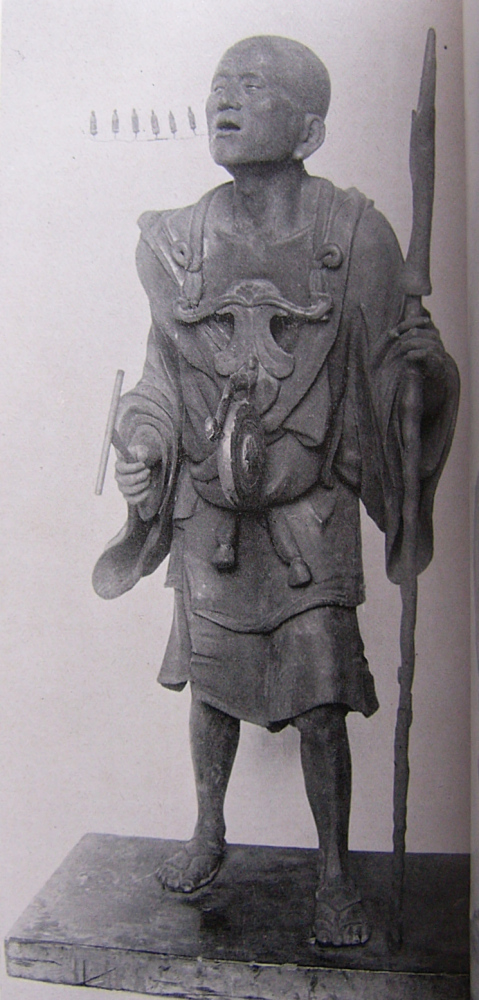
Namu Amida Butsu: Unlocking Japan’s Sacred Nembutsu Chant
If you have ever visited a temple in Kyoto or walked the pilgrimage trails of Shikoku, you have likely heard a rhythmic, droning chant carried on the scent of incense. It is a phrase repeated with hypnotic devotion: “Namu Amida Butsu.”
Far more than simple words, this six-character mantra—known as the Nembutsu—is the heartbeat of Pure Land Buddhism, the most practiced form of Buddhism in Japan. For the uninitiated traveler, it may seem like background noise to the visual splendor of Zen gardens and vermilion gates. However, understanding this phrase unlocks a deeper appreciation of the Japanese spiritual landscape, shifting the focus from the rigors of ascetic discipline to the comfort of universal salvation.
The Origins: From India to the Common People of Japan
The phrase Namu Amida Butsu translates roughly to “I take refuge in Amida Buddha.”
- Namu: Derived from the Sanskrit Namas, meaning to bow or take refuge.
- Amida: Derived from Amitabha (Infinite Light) and Amitayus (Infinite Life).
- Butsu: The Japanese word for Buddha.
While Buddhism arrived in Japan via China and Korea in the 6th century (a timeline recorded in the Nihon Shoki), early Japanese Buddhism was an aristocratic pursuit. It required time, money, and literacy to study complex sutras.
This changed radically during the Heian and Kamakura periods (10th–13th centuries). Monks like Honen (founder of Jodo Shu) and his disciple Shinran (founder of Jodo Shinshu) revolutionized religious practice. They argued that the age of enlightenment by self-effort (Jiriki) had passed. The common farmer, merchant, or samurai could not spend decades meditating in mountain isolation.
Instead, they taught the path of Tariki (Other Power). They preached that simply reciting the Nembutsu with a sincere heart was enough to guarantee salvation. This democratization of religion made Namu Amida Butsu the most recited phrase in Japanese history, accessible to emperors and peasants alike.
The Legend of the Primal Vow
To understand why this chant is believed to be so powerful, one must look to the legend of the Buddha Amida himself, as described in the Larger Sutra of Immeasurable Life.
According to Buddhist scripture, eons ago, there was a king who gave up his throne to become a monk named Dharmakara. Upon witnessing the suffering of sentient beings, he made 48 vows to establish a realm free from suffering, known as the Western Pure Land (or Gokuraku in Japanese).
The most critical of these was the 18th Vow, often called the Primal Vow. Dharmakara promised that he would not attain enlightenment unless every being who called upon his name with sincerity—even just ten times—was assured rebirth in his Pure Land. Dharmakara eventually succeeded, becoming Amida Buddha.
Therefore, in Japanese culture, the chant is not a plea for help; it is an expression of gratitude. The hard work has already been done by Amida. The chanter is merely accepting the ticket to paradise that has already been printed for them.
Modern Culture and the Nembutsu
Today, the echo of the Nembutsu permeates modern Japanese life in ways both sacred and subtle.
Funerals and Memorials: Jodo Shinshu is the largest sect of Buddhism in Japan, meaning the vast majority of Japanese funerals involve this chant. It serves as a comfort to the bereaved, assuring them that the deceased has been welcomed into the Pure Land, rather than wandering as a lost spirit.
Stone Monuments: Travelers hiking through rural Japan or visiting old highways like the Nakasendo will frequently see weathered stone pillars carved with the six characters: 南無阿弥陀仏. These stones, often erected by local communities centuries ago, served as prayers for the safety of travelers and as memorials for those who died on the road without family.
Pop Culture: Even in anime and manga, characters facing peril or ghosts often humorously or desperately rattle off the Nembutsu. It is a cultural shorthand for “protection against the supernatural” or a final prayer before doom, showcasing how deeply the phrase is embedded in the national psyche.
Traveler’s Tips: Experiencing the Chant
For the culture-focused traveler, engaging with the Nembutsu offers a participatory way to experience Japanese history.
-
Where to Go:
- The Great Buddha of Kamakura (Kotoku-in): This iconic bronze statue is actually Amida Buddha, not the historical Gautama Buddha. It was built specifically for the worship of Amida.
- Zojo-ji Temple (Tokyo): Located near Tokyo Tower, this is the head temple of the Jodo sect. You can often hear the monks chanting the Nembutsu in a powerful, rhythmic unison during morning services.
- Higashi Hongan-ji & Nishi Hongan-ji (Kyoto): These massive temple complexes are the headquarters of Jodo Shinshu. They are free to enter and offer a majestic atmosphere of wood and gold leaf.
-
Etiquette: If you wish to pay respects, stand before the altar, toss a coin into the saisen box, and ring the bell (if permitted). Put your hands together in gassho (prayer position). You do not need to clap (clapping is for Shinto shrines). Silently or softly saying “Namu Amida Butsu” is the appropriate gesture here.
-
Listen for the nuance: Unlike the silent meditation of Zen, Pure Land temples are defined by sound. Listen for the mokugyo—a wooden fish drum—that sets the beat for the chanting. It is a mesmerizing, trance-like experience.
Sources & Further Reading
To deepen your understanding of the spiritual history mentioned above, the following texts are essential:
- The Three Pure Land Sutras: specifically the Larger Sutra of Immeasurable Life (for the legend of Dharmakara).
- The Tannisho: A collection of sayings attributed to Shinran, capturing the essence of reliance on Amida.
- Nihon Shoki (Chronicles of Japan): While primarily a Shinto and historical text, it records the official introduction of Buddhism to the Japanese imperial court in 552 AD, setting the stage for the later rise of Pure Land sects.