
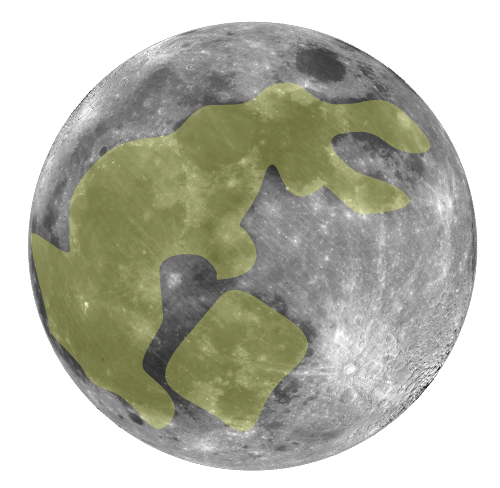
The Rabbit in the Moon: Unfolding the Legend of Tsuki no Usagi
When you look up at a full moon on a clear night, what do you see? For many in the Western world, the shadows on the lunar surface form the face of the “Man in the Moon.” However, if you were to stand amidst the neon glow of Tokyo or the quiet temples of Kyoto and ask a local what they see, the answer would likely be quite different: a rabbit pounding rice cakes.
Known as Tsuki no Usagi (The Rabbit of the Moon), this endearing image is a cornerstone of Japanese folklore and cultural identity. It is a symbol of selflessness, harvest, and autumn beauty. But how did a rabbit end up on the moon, and why is it making snacks? Join us as we journey into the celestial mythology of Japan to uncover the secrets of the Moon Rabbit.
The Origins of the Myth
While the image of the moon rabbit is deeply embedded in Japanese culture, its roots traverse the Silk Road, originating in ancient India and passing through China before arriving in Japan.
The core narrative stems from the Jataka Tales, a voluminous body of literature native to India concerning the previous births of Gautama Buddha. As Buddhism spread eastward, the story evolved. In Chinese folklore, the rabbit is known as the “Jade Rabbit” and is a companion to the Moon Goddess, Chang’e. In the Chinese version, the rabbit is typically depicted pounding the Elixir of Life with a mortar and pestle.
However, when the legend crossed the sea to Japan, a fascinating cultural shift occurred. Instead of medicinal herbs or an elixir of immortality, the Japanese interpreted the rabbit’s mortar contents as mochi (sticky rice cakes). This is likely a play on words: the Japanese word for full moon is mochizuki, which sounds very similar to mochi-tsuki (pounding mochi).
The Legend: A Tale of Ultimate Sacrifice
The most famous Japanese iteration of this story is a touching, albeit slightly sorrowful, tale of altruism. The story is often told as follows:
The Old Man and the Three Animals
Long ago, the Old Man of the Moon looked down upon the Earth and decided to test the virtue of the animals living in the forest. He descended in the disguise of a frail, starving beggar and approached a monkey, a fox, and a rabbit.
“Please,” the beggar rasped, “I am old and hungry. Can you help me find food?”
The animals, eager to help, dispersed to gather provisions.
- The Monkey, nimble and quick, climbed trees and returned with luscious fruits.
- The Fox, cunning and skilled, snatched a fish from the stream and brought it to the old man.
- The Rabbit, however, hopped through the fields but found nothing but grass. He had no skill for hunting or climbing.
Returning empty-handed and seeing the beggar’s distress, the Rabbit turned to his friends and asked them to build a fire. Once the flames were roaring, the Rabbit looked at the old man and said, “I have nothing to give you but myself. Please, eat me.”
With that, the Rabbit threw himself into the fire. However, he did not burn. The beggar instantly revealed his true form as the deity of the Moon. Touched by the Rabbit’s ultimate self-sacrifice, the deity pulled the small creature from the flames.
“Your kindness is peerless,” the deity proclaimed. “To honor your virtue, I shall carry you to the moon, where you will shine for all to see forever.”
And so, the Rabbit was whisked away to the lunar surface, where he lives to this day, pounding mochi in his mortar.
Modern Culture and Celebration
The legacy of Tsuki no Usagi is vibrant in modern Japan. The most significant celebration associated with the rabbit is Tsukimi (Moon Viewing), held in autumn (typically September or October). During this festival, people gather to admire the harvest moon, displaying decorations of pampas grass and eating Tsukimi dango—white rice dumplings that resemble the full moon.
Beyond traditional festivals, the Moon Rabbit permeates Japanese pop culture:
- Anime and Manga: The most famous example is the protagonist of Sailor Moon, whose name is Usagi Tsukino (a pun on tsuki no usagi).
- Merchandise: During the autumn season, everything from stationary to confectionery packaging features bunny motifs silhouetted against a yellow moon.
- Video Games: References to moon rabbits appear in franchises like Final Fantasy and Super Mario, often as enemies or mythical creatures associated with the moon.
Traveler’s Tips: Finding the Rabbit in Japan
If you are planning a trip to Japan, here is how you can experience the legend of the Moon Rabbit firsthand:
- Visit Okazaki Shrine (Kyoto): Known as the “Rabbit Shrine,” this Shinto site is filled with rabbit statues. It was historically associated with safe childbirth and is a must-visit for folklore enthusiasts.
- Eat Tsukimi Dango: If you visit in autumn, stop by a traditional wagashi (sweets) shop. Ask for seasonal treats shaped like rabbits or the moon.
- Buy a Souvenir: Look for tenugui (hand towels) or furoshiki (wrapping cloths) featuring the moon rabbit design. They make for lightweight, culturally significant gifts.
- Look Up: If you are in the countryside away from city lights during the full moon, try to spot the rabbit yourself. Look for the ears tilting to the left and the mortar on the right!
Sources & Further Reading
For those interested in diving deeper into the textual history of this legend, the following historical works provide the foundation for the Japanese interpretation:
- Konjaku Monogatarishu (Anthology of Tales from the Past): A late Heian period collection of stories where the specific tale of the Fox, Monkey, and Rabbit is recorded.
- Sasajataka: The Buddhist Jataka tale that serves as the Indian progenitor of the myth.
- Man’yoshu: Japan’s oldest existing collection of poetry, which contains early references to the moon and its folklore.