
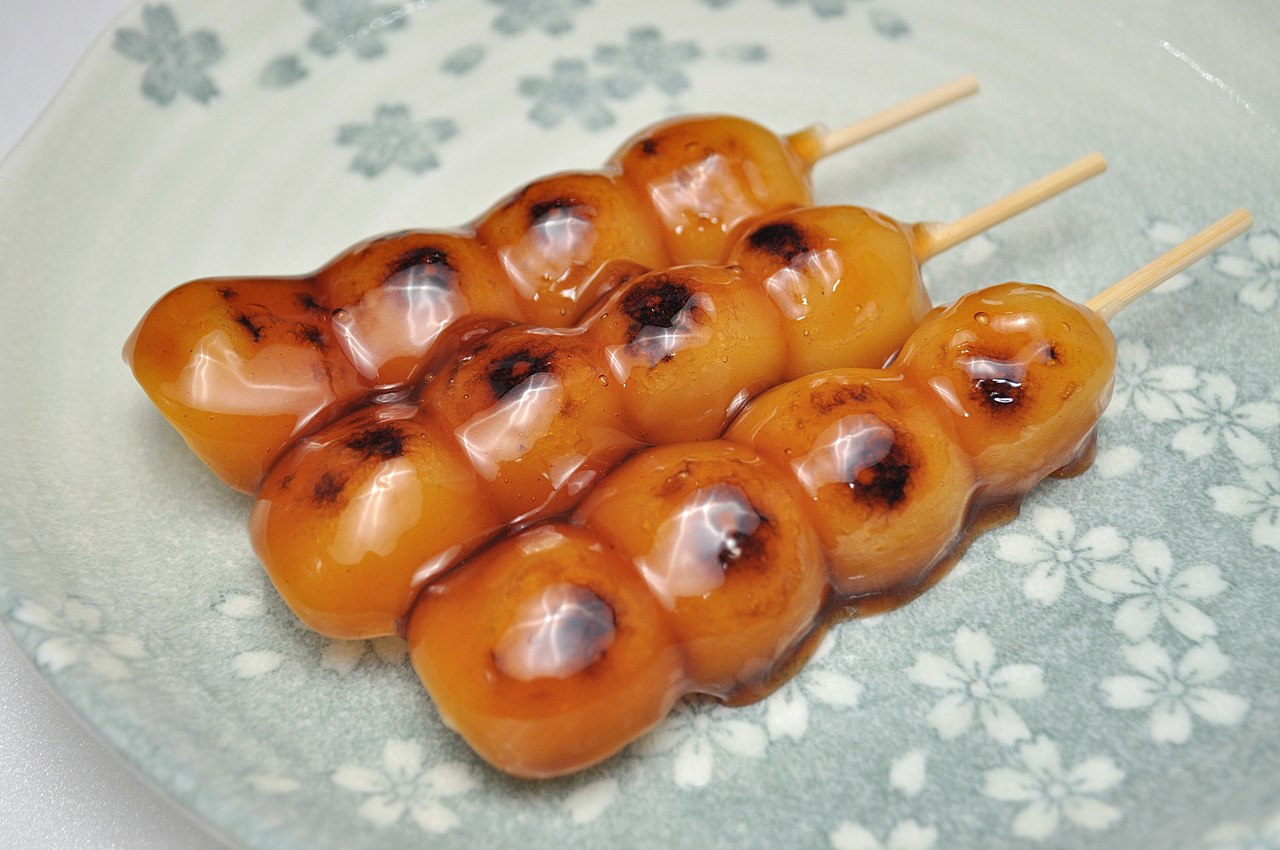
The Magic of Tsukimi Dango: Celebrating Japan’s Autumn Moon
When autumn descends upon Japan, the humidity of summer fades, leaving behind crisp air and famously clear night skies. It is during this season, specifically on the 15th night of the eighth lunar month (usually September or October), that the country looks upward to celebrate Tsukimi (moon viewing). While the moon is the visual centerpiece, the culinary star of this festival is undoubtedly Tsukimi Dango.
These simple, chewy rice dumplings are more than just a sweet treat; they are a vessel for history, gratitude, and mythology. For the cultural traveler, understanding Tsukimi Dango offers a delicious window into the Japanese soul.
The Origins: Aristocratic Poetry to Harvest Prayer
The practice of moon viewing was imported from China during the Heian period (794–1185). Originally, it was an aristocratic pastime known as the Mid-Autumn Festival. Court nobles would gather on boats to drink sake, recite poetry, and admire the reflection of the moon on the water’s surface.
However, as the tradition filtered down to the samurai class and eventually the commoners during the Edo period, the focus shifted from poetic appreciation to agricultural gratitude. The autumn season coincides with the rice harvest. Consequently, the moon viewing festival evolved into a thanksgiving ritual. Farmers offered taro roots and rice dumplings to the moon spirit to express gratitude for a bountiful crop and to pray for the upcoming year.
Thus, Tsukimi Dango was born—not merely as a snack, but as a sacred offering connecting the people to the land and the heavens.
The Legend: The Rabbit on the Moon
While Westerners often see a “Man in the Moon,” Japanese folklore describes a different image: a rabbit pounding rice cakes (mochi) with a mallet. This imagery is inextricably linked to Tsukimi Dango.
The legend originates from a Buddhist tale known as Śaśajātaka. The story goes that the Old Man of the Moon came down to Earth disguised as a beggar to test the virtue of three animals: a monkey, a fox, and a rabbit. The monkey gathered fruit and the fox caught fish for the beggar, but the rabbit, having nothing to offer, threw itself into a fire to offer its own cooked flesh.
Moved by this ultimate self-sacrifice, the Old Man of the Moon saved the rabbit and placed its image on the moon as a monument to its kindness. Today, when Japanese children look at the full moon and eat their dango, they are reminded of the rabbit’s noble spirit, tirelessly pounding mochi for the gods.
Modern Culture: Stacking and Snacking
In modern Japan, Tsukimi remains a beloved, albeit quieter, observance compared to the cherry blossom festivals of spring. The traditional display involves a specific arrangement:
- The Altar: A small platform is set up facing the moon, ideally on a veranda or by a window.
- Susuki Grass: Pampas grass is displayed to represent bountiful rice plants and to ward off evil spirits.
- The Dango Stack: This is the most iconic visual. Fifteen white rice dumplings are stacked in a pyramid shape on a wooden stand called a sanbo. The number fifteen represents the 15th night of the month (Jugoya).
Regional Variations
While the standard Tsukimi Dango is a perfectly round white sphere, regional differences are vast. In the Kanto region (Tokyo), they remain plain and round. However, in the Kansai region (Kyoto and Osaka), the dumplings are often shaped like teardrops or taro roots and are covered in a layer of red bean paste (anko). This shape pays homage to the original taro offerings of the harvest festivals of old.
Traveler’s Tips: Experiencing Tsukimi
If you find yourself in Japan during September or early October, you have a unique opportunity to participate in this elegant tradition.
- Where to Buy: You don’t need to make them yourself. During the Tsukimi season, every Wagashi (traditional sweets) shop, supermarket, and even convenience store (Konbini) will sell Tsukimi Dango sets. Look for the rabbit packaging!
- Best Viewing Spots: While you can view the moon from anywhere, traditional landscape gardens often hold special illumination events.
- Kyoto: Head to Daikaku-ji Temple for the Osawa Pond moon viewing party, where you can see the moon reflected in the water just as the Heian aristocrats did.
- Tokyo: The Mukojima-Hyakkaen Garden offers a serene, tea-ceremony atmosphere perfect for enjoying dango.
- Pairing: Enjoy your dango with a cup of matcha or a seasonal roasted green tea (Hojicha) to balance the sweetness of the rice and bean paste.
Sources & Further Reading
For those interested in diving deeper into the mythology and history surrounding Japanese food and lunar worship, the following texts provide foundational knowledge:
- The Konjaku Monogatarishu: A collection of tales from the late Heian period which contains versions of the Moon Rabbit legend.
- The Nihon Shoki (Chronicles of Japan): Offers insight into early agricultural rites and the significance of food deities in Shinto belief.
- Mock Joya’s Things Japanese: A classic reference for explaining the nuances of Japanese seasonal customs to English speakers.