
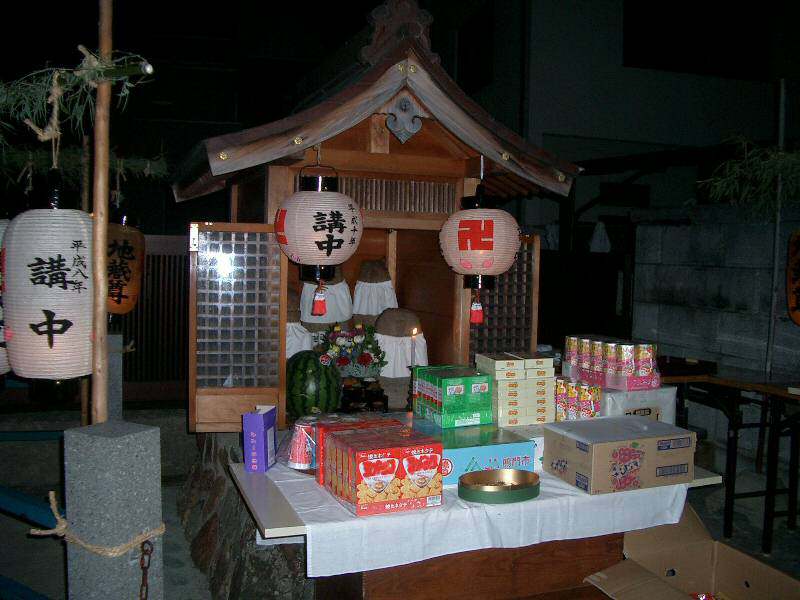
Jizo-bon Festival: The Heartwarming Guardian of Kyoto’s Summer
As the intense heat of the Japanese summer begins to wane and the spirits of ancestors return to the other world following the Obon season, the historic streets of Kyoto light up once more. This time, however, the atmosphere is less solemn and more playful. This is Jizo-bon, a festival dedicated to Jizo Bosatsu, the guardian deity of children and travelers.
Held typically on the days surrounding August 23rd and 24th, Jizo-bon is a unique blend of religious devotion and community block party. While massive festivals like the Gion Matsuri draw international crowds, Jizo-bon remains a distinctively local, intimate affair that offers a glimpse into the beating heart of Japan’s neighborhood culture.
The Origins of Jizo-bon
The roots of Jizo-bon are deeply intertwined with the syncretic nature of Japanese religion, blending Buddhism with local folk beliefs. While Jizo worship has existed in Japan for centuries, the specific festival of Jizo-bon gained prominence during the Muromachi period (1336–1573) and flourished among the townspeople of Kyoto during the Edo period.
Jizo-bon is technically a variation of the monthly festival held on the 24th day of every month to honor Jizo. However, the August observation aligns with the traditional lunar calendar’s urgency to comfort spirits before the season changes. Historically, it served as a spiritual bookend to the Obon festival. While Obon focuses on familial ancestors, Jizo-bon focuses on the community’s children and the wandering spirits who have no family to pray for them (Muuenbotoke), ensuring everyone is cared for under Jizo’s watchful eye.
The Legend of Jizo Bosatsu
To understand the festival, one must understand the deity. Jizo Bosatsu (Ksitigarbha) is one of the most beloved figures in Japanese Buddhism. You have likely seen his statue: a small stone monk with a serene face, often wearing a red bib.
The Savior of the Sai no Kawara
The red bibs symbolize Jizo’s most poignant role: the protector of children who have passed away before their parents. According to Buddhist folklore, these children are sent to a limbo called Sai no Kawara on the banks of the Sanzu River. There, they are tasked with stacking stones into small towers to accrue merit for their grieving parents.
The legend says that demons often knock these stone towers down to torment the children. However, Jizo Bosatsu hides the children in his large robes, protecting them from the demons and acting as their surrogate parent in the afterlife. This compassionate narrative is why Jizo-bon is centered around the health, safety, and happiness of living children, serving as a prayer that Jizo will continue to watch over them.
Modern Culture: A Festival for the Living
Today, Jizo-bon is essentially a children’s festival managed by the local Chonaikai (neighborhood association). Walk through the residential backstreets of Kyoto or Shiga in late August, and you will see temporary altars set up in garages or on street corners, adorned with red and white lanterns.
The Juzu-Mawashi Ritual
One of the most distinct rituals of Jizo-bon is the Juzu-mawashi. Children and adults sit in a circle, holding a giant prayer bead string (rosary) that can be several meters long. As a monk chants sutras, the community passes the beads around the circle. The large main bead represents the Jizo statue; when it reaches a person, they often raise it to their forehead in prayer. This act is believed to bring good health and ward off misfortune.
Games and Treats
After the prayers, the religious tone shifts to celebration. Streets are closed off for games, bingo, and fireworks. Children receive “omiyage” (gift bags) filled with snacks and toys. It is a time when the usually strict boundaries of private and public space blur, and the entire neighborhood acts as a single family raising its children.
Traveler’s Tips for Jizo-bon
Experiencing Jizo-bon requires a different mindset than attending major tourist spectacles. Here is how to respectfully observe this tradition:
- Go Local: This festival is most vibrant in the Kansai region, particularly Kyoto City (especially the outcome areas of Nakagyo and Kamigyo wards). It is less common in Tokyo.
- Be Respectful: Jizo-bon is primarily a residential community event, not a tourist attraction. There are no tickets or grand parades. If you are walking through a neighborhood, observe from a distance. Do not enter private areas or interrupt the Juzu-mawashi unless invited.
- Look for the Lanterns: The best way to find these gatherings is to wander the narrow alleyways (roji) just after sunset. Look for the glow of red lanterns personalized with the names of local children.
- Visit Temples: If you feel uncomfortable entering a residential block party, visit major temples dedicated to Jizo, such as Mibu-dera in Kyoto, which often hold more public-facing ceremonies during this time.
Sources & Further Reading
To deepen your understanding of the spiritual landscape that allows festivals like Jizo-bon to thrive, consider exploring the following:
- The Jizo Sutra (Ksitigarbha Sutra): The primary Buddhist text detailing the vows and virtues of Jizo Bosatsu.
- Japanese Folklore Studies: Works by Yanagita Kunio offer insight into the “Double Burial” system and the role of ancestor worship.
- Konjaku Monogatari Shu: A collection of tales from the late Heian period that contains early stories of Jizo’s miraculous interventions.
- Kojiki and Nihon Shoki: While these 8th-century texts focus on Shinto Kami, reading them provides the necessary context to understand the syncretism (Shinbutsu-shugo) that allowed Buddhist deities like Jizo to be seamlessly integrated into Japanese village life alongside native gods.