
Sagicho: The Sacred Fire of Japan’s Little New Year
As the Japanese New Year celebrations wind down in mid-January, a spectacular and warming tradition lights up the winter skies across the archipelago. This is Sagicho, widely known as Dondo-yaki, a fire festival dedicated to sending the spirits of the New Year back to the divine realm. It is a time of community, warmth, and spiritual purification, marking the official end of the New Year season.
Introduction to the Fire Festival
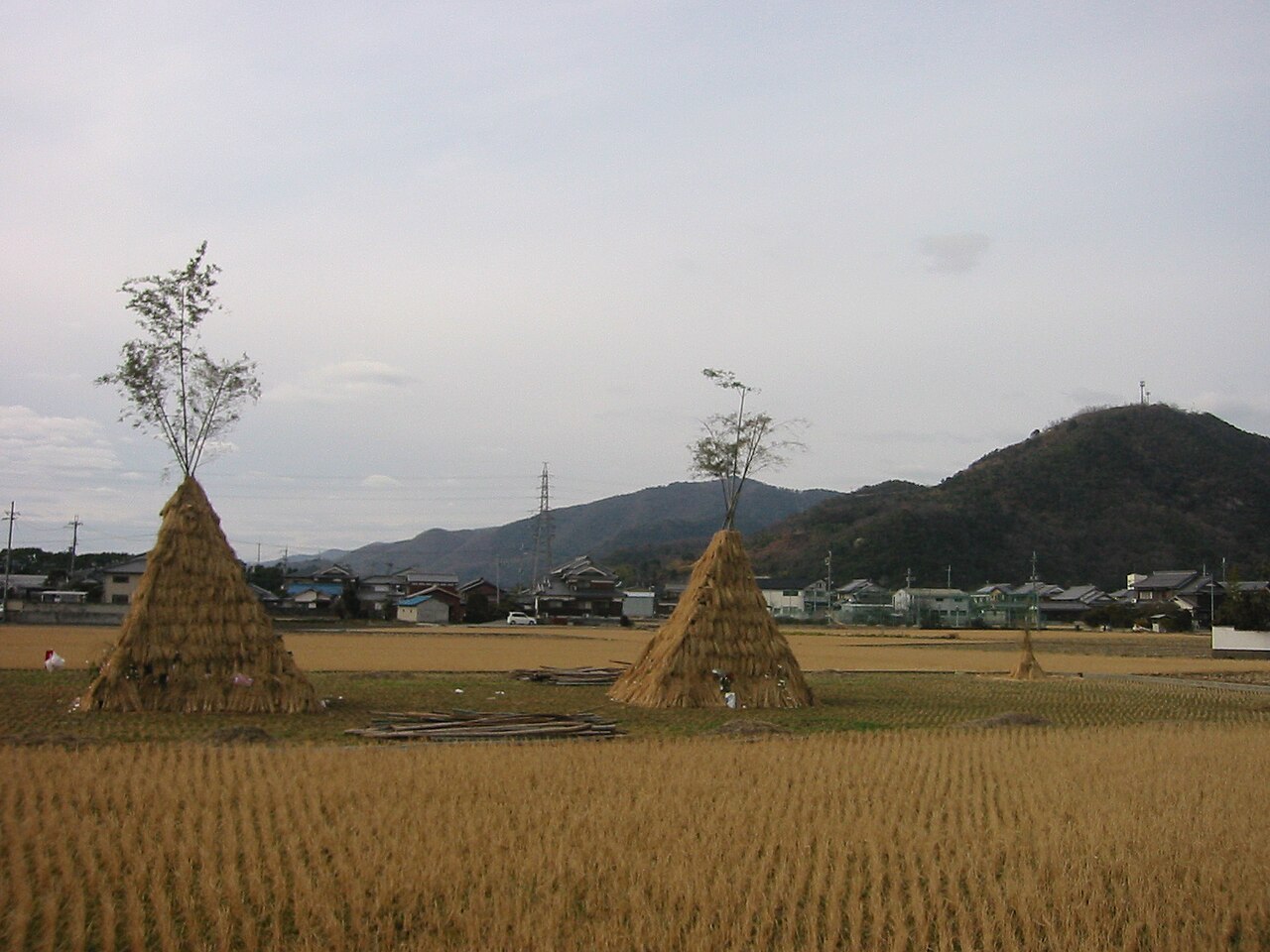
Sagicho (左義長) is traditionally held on January 14th or 15th, a period known as Koshogatsu (Little New Year). In local shrines, schoolyards, and dry riverbeds from Hokkaido to Kyushu, communities gather to construct massive towers made of green bamboo, cedar branches, and straw.
At the designated time, these towers are set ablaze, creating roaring bonfires. Residents bring their New Year decorations—kadomatsu (pine gate decorations), shimekazari (sacred straw ropes), and kakizome (first calligraphy)—to throw into the fire. The sight of the flames leaping against the often snowy winter backdrop is one of the most evocative scenes of traditional Japan.
Origins in the Imperial Court
While fire festivals have ancient roots in agrarian society, the specific rituals of Sagicho trace back to the Heian period (794–1185). Originally, it was an aristocratic ceremony performed within the Imperial Court.
The name “Sagicho” is believed to derive from the structure used in these early rites: three long poles (gicho) were bundled together to form a tripod for the fire. Over centuries, what began as a solemn court ritual filtered down to the samurai class and eventually the common people, merging with local agricultural prayers for a bountiful harvest and good health.
Legend and Symbolism
To understand Sagicho, one must understand the Japanese concept of Toshigami-sama, the deity of the New Year. According to Shinto belief, the Toshigami visits homes during the New Year to bring blessings of fertility and prosperity. The decorations placed around the home serve as temporary vessels (yorishiro) for this spirit.
The Sagicho fire acts as the vehicle for the Toshigami’s departure. The rising smoke is believed to carry the deity back up to the mountains or the heavens. It is a respectful send-off, ensuring the god leaves satisfied and willing to return the following year.
There is also a strong element of purification. The crackling sound of burning bamboo is said to ward off evil spirits. Furthermore, folklore dictates that eating food cooked in the Sagicho fire protects one from colds and illness for the entire year.
Modern Culture and Variations
Today, the festival goes by many names depending on the region—Dondo-yaki in Tokyo, Saito-yaki in other parts of Kanto, and Tondo in Kansai. Despite the regional variances, the core activities remain similar.
A highlight of the modern celebration is the roasting of mochi (rice cakes) or mandarins. Villagers skew the mochi on long willow branches and hover them near the dying embers of the bonfire. Eating this “holy” mochi is a beloved tradition for children and the elderly alike.
Another charming custom involves burning the kakizome (first calligraphy written in the New Year). If the paper catches the heat and flies high into the air while burning, it is said that the writer’s handwriting and academic skills will improve significantly in the coming year.
Traveler’s Tips
If you find yourself in Japan during mid-January, attending a Sagicho festival is a must. Here is how to participate respectfully:
- Timing: Most festivals occur on the morning of January 14th or 15th, though some shrines hold them on the nearest weekend. Check local schedules.
- What to Bring: You can bring old charms (omamori) to be burned, but remove any plastic casings first. The fire is for natural materials only.
- Attire: Wear clothes you don’t mind smelling like smoke. Synthetic fabrics that melt easily (like nylon) should be avoided near the large fires.
- Safety: Stand back when the bamboo cracks; the sound is loud and sparks can fly.
Sources & Further Reading
For those interested in the deep historical roots of Japanese purification rituals and court ceremonies, the following texts provide essential context:
- Turezuregusa (Essays in Idleness) by Yoshida Kenko: Written in the 14th century, this collection contains references to the aesthetic and spiritual significance of court rituals similar to Sagicho.
- The Kojiki (Records of Ancient Matters): While not referencing Sagicho by name, this ancient text establishes the fundamental Shinto connection between fire (Kagutsuchi) and purification, which is the spiritual bedrock of the festival.
- Engishiki: A 10th-century book of laws and regulations that details the Shinto rites performed at the Heian court, offering the earliest procedural glimpses into these seasonal events.