
Unveiling Shintaku: The Ancient Art of the Japanese Oracle
Japan is often described as a land where the spiritual and physical worlds coexist harmoniously. Visitors to the country are immediately struck by the omnipresence of Shinto shrines, red torii gates, and the deep reverence for nature. However, beneath the visual beauty lies a profound system of communication between humans and the Kami (gods). This communication is known as Shintaku (神託), the Japanese oracle.
While modern travelers might associate shrine visits with simple luck, the concept of Shintaku represents a history of divine revelation that has shaped emperors, wars, and the daily lives of the Japanese people for millennia. To understand Shintaku is to understand the very soul of Japanese spirituality.
The Origins of Divine Communication
The word Shintaku translates literally to “trusting in the god” or “divine message.” In the earliest days of Japanese history, prior to the heavy influence of Buddhism, Shinto was deeply animistic and shamanistic. The lines between the human realm and the divine were thin, and communication was facilitated by specific intermediaries.
Historically, the primary vessel for Shintaku was the Miko (shrine maiden). While today’s Miko are known for their distinct white haori and red hakama assisting in shrine ceremonies, their ancestors were powerful shamans. Through a ritual known as Kamigakari (divine possession), a Miko would enter a trance state, allowing a Kami to speak through her lips. These oral proclamations were vital for village governance, determining harvest times, and settling disputes.
As Japan centralized its imperial power, Shintaku evolved from local shamanism to an instrument of the state. The messages became more formalized, shifting from ecstatic trances to interpreted signs, dreams, and eventually, written decrees.
Legends of the Oracle
Japanese mythology and history are replete with instances of Shintaku changing the course of the nation. One of the most famous legends involves Empress Jingu (c. AD 169–269). According to ancient chronicles, she was possessed by a Kami who instructed her to lead a military expedition across the sea. Despite doubts from her court, she followed the Shintaku, resulting in a legendary, albeit debated, conquest.
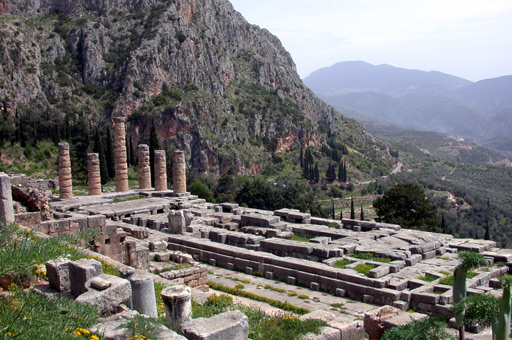
Perhaps the most historically significant evolution of the oracle is associated with Hachiman, the god of archery and war. The Hachiman Gudokun and other texts describe how oracles from Hachiman were used to legitimize the rule of the Minamoto samurai clan. Unlike the vague riddles of Western oracles (like Delphi), Japanese Shintaku were often viewed as direct, actionable commands or protective decrees regarding the safety of the nation.
Shintaku in Modern Culture: The Omikuji
For the modern traveler, the ancient, trance-induced Shintaku has largely vanished, but its spirit survives in the ubiquitous Omikuji (sacred lot). When you visit a shrine and shake a hexagonal box to receive a bamboo stick, or pull a slip of paper from a box, you are participating in a simplified form of Shintaku.
These paper fortunes are not merely predictions of the future; they are viewed as advice from the Kami. They cover various aspects of life, including health, travel, business, and romance. While many tourists focus on the result—Daikichi (Great Blessing) or Kyo (Curse)—the true value lies in the accompanying poem or advice (often written in archaic Japanese and translated on the slip).
This democratization of the oracle means that divine guidance is no longer reserved for emperors and warlords; it is available to anyone willing to offer a 100-yen coin and listen.
Traveler’s Tips: Experiencing the Oracle
To respectfully engage with the culture of Shintaku and Omikuji during your travels, consider the following tips:
- Purify First: Before seeking an oracle or entering the main hall, always wash your hands and mouth at the Temizuya (water pavilion). Purity is essential in Shinto.
- Pray Before You Play: Do not treat Omikuji as a vending machine game. Approach the main altar, offer a coin, bow, clap twice, pray, and bow again. Only then should you go to the counter to draw your fortune.
- Handling the Message:
- Good Fortune: Keep the paper in your wallet or purse as a talisman to ensure the luck stays with you.
- Bad Fortune: If you draw a “Curse” or bad luck, fold the paper into a thin strip and tie it to the designated pine tree or rack of wires found at the shrine. This ritual, called Musubu, asks the Kami to handle the bad luck for you, transforming it into a lesson rather than a burden.
- Top Spots: For a deep dive, visit Usa Jingu in Oita Prefecture (the head shrine of Hachiman) or Ise Jingu in Mie Prefecture, the holiest site in Shinto, to feel the atmosphere where ancient oracles once directed the fate of the nation.
Sources & Further Reading
For those interested in the historical texts that document the earliest forms of Shintaku and the legends of Empress Jingu and the Kami, the following classical texts are essential:
- The Kojiki (Records of Ancient Matters): Japan’s oldest extant chronicle (712 AD).
- The Nihon Shoki (The Chronicles of Japan): Offers more detailed historical accounts of imperial oracles (720 AD).
- The Engishiki: A 10th-century book of laws and regulations that details shrine rituals and the role of Miko.