
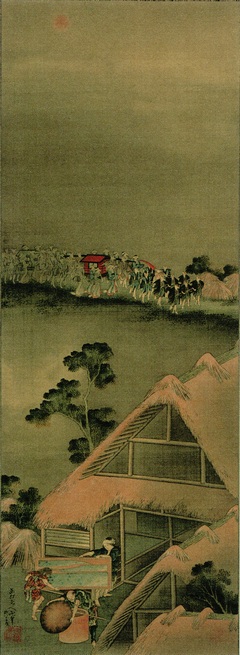
The Fox Wedding: Unveiling Japan’s Kitsune no Yomeiri
Japan is a country where the line between the mundane and the magical is often blurred, especially when it comes to nature. Among the myriad of yokai (spirits) and legends that populate Japanese folklore, few are as visually arresting or remarkably dualistic as the Kitsune no Yomeiri, or “The Fox Wedding Procession.”
Whether occurring during a strange weather phenomenon or manifesting as ghostly lights in the dead of night, the Fox Wedding remains one of Japan’s most enchanting mysteries. For cultural travelers and folklore enthusiasts, understanding this legend offers a deeper look into Japan’s spiritual relationship with the natural world.
Introduction to the Fox Spirits
In Japanese mythology, the kitsune (fox) holds a prestigious yet trickster-like status. They are revered as the intelligent messengers of Inari Okami, the Shinto deity of rice, fertility, and agriculture. However, they are also known for their shapeshifting abilities and penchant for bewitching humans.
The term Kitsune no Yomeiri (狐の嫁入り) literally translates to “The Fox’s Wedding” or “The Fox’s Bridaling.” It refers to two distinct phenomena in Japanese culture: a literal atmospheric condition and a spectral parade of lights. Both are steeped in the idea that foxes live in a parallel society that mirrors our own, complete with ceremonies, hierarchies, and processions.
The Origins: Sunshowers and Ghost Lights
The phrase is used to describe two very different events, yet both are bound by the eerie presence of the fox.
The Sunshower (Tenkiame)
When rain falls while the sun is still shining, the Japanese call it Kitsune no Yomeiri. In the past, this contradictory weather—fire (sun) and water (rain) mixing together—was seen as supernatural. It was believed that during these moments, foxes were holding their wedding ceremonies. To keep humans from witnessing the sacred event, the foxes would conjure rain to send people running for cover, allowing the procession to pass unseen.
The Nighttime Procession (Kitsunebi)
The second meaning dates back to the Edo period and refers to mysterious atmospheric lights, known as kitsunebi (fox fire), appearing in mountains or marshes at night. Before electricity, strings of flickering will-o’-the-wisps moving in a line were interpreted as the paper lanterns of a wedding procession, as foxes marched a bride to her new husband’s den.
The Legend and Cultural Significance
The folklore varies by region, but a common thread runs through the stories: witnessing a Fox Wedding is both a blessing and a taboo.
In classic literature and ukiyo-e woodblock prints, the procession is depicted with anthropomorphic foxes walking on two legs, wearing formal kimono. The bride is often shielded by a red umbrella. Perhaps the most famous visual representation for Western audiences is in Akira Kurosawa’s film Dreams. In the segment “Sunshine Through the Rain,” a young boy disobeys his mother’s warning and wanders into the forest during a sunshower, witnessing the slow, rhythmic, and terrifyingly silent wedding march of the foxes.
The legend emphasizes the foxes’ desire for privacy. In many stories, a human who accidentally sees the wedding must pay a price, often requiring an apology or a gift to the spirits to avoid being cursed or spirited away.
Modern Culture and Festivals
Today, the fear of the supernatural has largely been replaced by celebration. The Kitsune no Yomeiri has transitioned from a cautionary tale into a beloved cultural festival celebrated in various towns across Japan.
The Kitsune no Yomeiri Matsuri (Aga Town, Niigata)
Held annually in May, this is one of the most famous reenactments. As night falls, the lights of the town are dimmed, and a procession of 108 people, led by a bride and groom (often a real couple getting married), march through the streets. Their way is lit by torches and lanterns, mimicking the kitsunebi of old legend. The atmosphere is hauntingly beautiful, blurring the line between the modern world and the ancient past.
The Inamaho Matsuri (Kudamatsu, Yamaguchi)
Another significant festival occurs in Kudamatsu City every November. Here, the “bride” and “groom” are chosen from the locals. The unique aspect of this festival is that the participants must keep their eyes closed or look down, maintaining the mystery of the fox identities.
Traveler’s Tips: Experiencing the Legend
If you wish to immerse yourself in the world of the Fox Wedding, timing is everything.
- Visit During a Festival: The best way to experience the legend is to attend the Aga Town festival in Niigata (usually early May) or the procession in Kudamatsu (November). Be sure to check the specific dates annually, as they can shift.
- Fushimi Inari Taisha (Kyoto): While not a specific wedding venue, this is the head shrine of Inari. Walking through the thousands of vermillion torii gates at twilight can evoke the feeling of entering the foxes’ realm. Look for the fox statues holding keys or scrolls in their mouths.
- Etiquette: If you attend a reenactment festival, photography is usually allowed, but flash is often discouraged to maintain the somber, magical atmosphere of the lantern light.
- Souvenirs: Look for Kitsune-men (fox masks). These traditional masks are popular souvenirs and are often worn by festival-goers to participate in the spirit of the event.
Sources & Further Reading
To deepen your understanding of Japanese mythology and the role of the fox, the following texts and resources are recommended:
- The Kojiki (Records of Ancient Matters): While it focuses on the creation myths, it establishes the animistic worldview essential to understanding yokai.
- The Nihon Shoki (The Chronicles of Japan): Provides historical context on the worship of Inari and agricultural deities.
- Glimpses of Unfamiliar Japan by Lafcadio Hearn: A classic collection of essays by one of the first Westerners to document Japanese folklore extensively.
- Yokai Attack! The Japanese Monster Survival Guide by Hiroko Yoda and Matt Alt: A modern, accessible guide to the creatures of Japanese myth, including the Kitsune.