
Saigoku 33 Pilgrimage: Japan’s Oldest Spiritual Journey
When travelers think of pilgrimages in Japan, the famous 88-temple circuit of Shikoku often comes to mind. However, predating that famous route is the Saigoku Sanju-sansho, or the Saigoku Kannon Pilgrimage. Spanning the historic Kansai region, this spiritual journey connects thirty-three temples dedicated to Kannon, the Bodhisattva of Compassion. It is not only the oldest pilgrimage route in Japan but also one of the most culturally significant, offering a window into the soul of Japanese Buddhism, architecture, and history.
The Origins of the Route
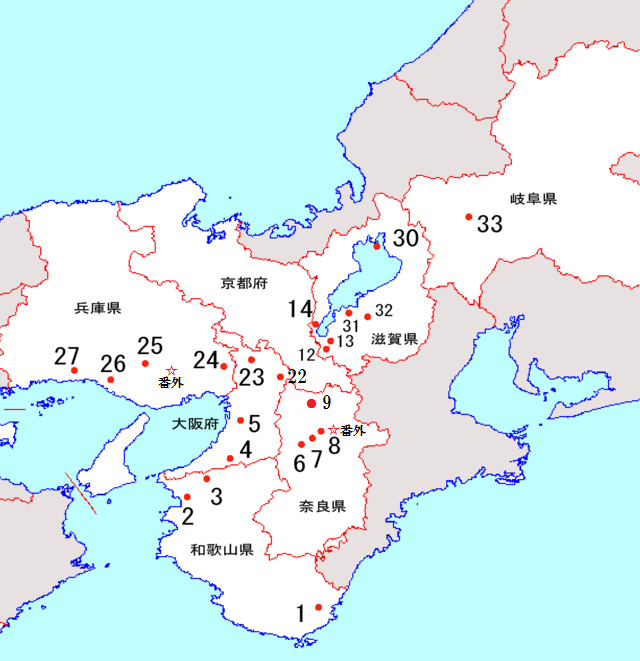
The Saigoku route covers a vast area including Wakayama, Osaka, Nara, Kyoto, Shiga, Hyogo, and Gifu prefectures. The number thirty-three is derived from the Lotus Sutra, which states that Kannon can manifest in thirty-three different forms to save sentient beings from suffering.
Historically, the pilgrimage is said to have been established in 718 AD, though it gained significant popularity among the aristocracy during the Heian period (794–1185) and eventually spread to the common people by the Edo period. Unlike the Shikoku pilgrimage, which focuses on the ascetic footprints of Kobo Daishi, the Saigoku pilgrimage is dedicated entirely to receiving the compassion and mercy of Kannon. Many of these temples, such as Kiyomizudera in Kyoto and Hasedera in Nara, are architectural masterpieces designated as National Treasures or UNESCO World Heritage Sites.
The Legend of Monk Tokudo and King Enma
The mythical origin of the Saigoku pilgrimage is as compelling as the route itself. According to temple legends and the Saigoku Sanju-san-sho Engi (The History of the Saigoku 33 Places), the pilgrimage was founded by a monk named Tokudo Shonin.
In 718 AD, Tokudo famously died from a sudden illness. However, rather than passing into the void, his soul was brought before Enma-O, the Great King of Hell. Enma was troubled; hell was becoming overcrowded with sinners. He entrusted Tokudo with thirty-three jewel-shaped seals and a divine mission: create a pilgrimage route of thirty-three sacred grounds. Enma promised that anyone who completed this journey would be absolved of their sins and granted passage to paradise.
Tokudo was returned to the land of the living to fulfill this vow. He distributed the seals to thirty-three temples, but the people of that era were not ready to accept his message. Disheartened, Tokudo hid the seals in a stone box at Nakayama-dera (Temple #24). It wasn’t until nearly 300 years later that the devout Emperor Kazan unearthed the seals and officially re-established the pilgrimage, cementing its place in history.
Modern Culture: The Search for the ‘Goshuin’
Today, the Saigoku 33 Pilgrimage is experiencing a renaissance. While some pilgrims (henro) still wear the traditional white vest (oizuru) and conical hat, many modern travelers undertake the journey in casual hiking gear. The route is a designated “Japan Heritage” site, celebrated for its scenic beauty, particularly during the cherry blossom spring and the fiery maple autumn.
Central to the modern experience is the collection of Goshuin—red vermilion stamps combined with beautiful calligraphy. Pilgrims purchase a nokyo-cho (stamp book) at their first temple. At each stop, a monk inscribes the temple’s name and stamps it with the red seal. In the context of Saigoku, this book is more than a souvenir; it is traditionally believed to serve as a passport to the Pure Land in the afterlife.
Traveler’s Tips for the Journey
Embarking on the Saigoku pilgrimage requires planning, as the temples are spread across a wide geographic area.
- Transport: Unlike the contiguous walking trails of Shikoku, the Saigoku temples are often visited using Japan’s efficient train and bus networks. However, some temples, like Makinootera (#4), require moderate hiking.
- Order: You do not need to visit the temples in numerical order (1 to 33). You can visit them in any sequence, a practice known as randori.
- The Stamp Book: Buy a dedicated Saigoku stamp book at your first stop. The calligraphy for this specific pilgrimage is often distinct and highly artistic.
- Key Stops: If you cannot complete all 33, prioritize the “greats.” Seiganto-ji (#1) features the iconic pagoda near Nachi Falls; Kiyomizu-dera (#16) offers the famous wooden stage in Kyoto; and Ishiyama-dera (#13) is where Lady Murasaki is said to have written The Tale of Genji.
Sources & Further Reading
To understand the spiritual landscape of this pilgrimage, one must look at the foundational texts of Japanese history and religion. While the Kojiki and Nihon Shoki lay the groundwork for Shinto kami worship, the fusion of these beliefs with Buddhism is best observed in later Heian-era literature.
- The Tale of Genji (Genji Monogatari): Written by Murasaki Shikibu, this text references the pilgrimage culture of the Heian aristocracy and specifically mentions Ishiyama-dera.
- Saigoku Sanju-san-sho Engi: The specific scroll detailing the legend of Tokudo Shonin and Emperor Kazan.
- Konjaku Monogatari-shu: A collection of tales from the late Heian period that includes stories of miracles associated with Kannon and specific temples along the route.
The Saigoku 33 is a journey through the heart of Japanese mercy. Whether you seek spiritual redemption or simply wish to see the Kansai region’s most beautiful landscapes, the compassionate gaze of Kannon awaits at every turn.