
The Hyakki Yagyo Emaki: Japan’s Night Parade of One Hundred Demons
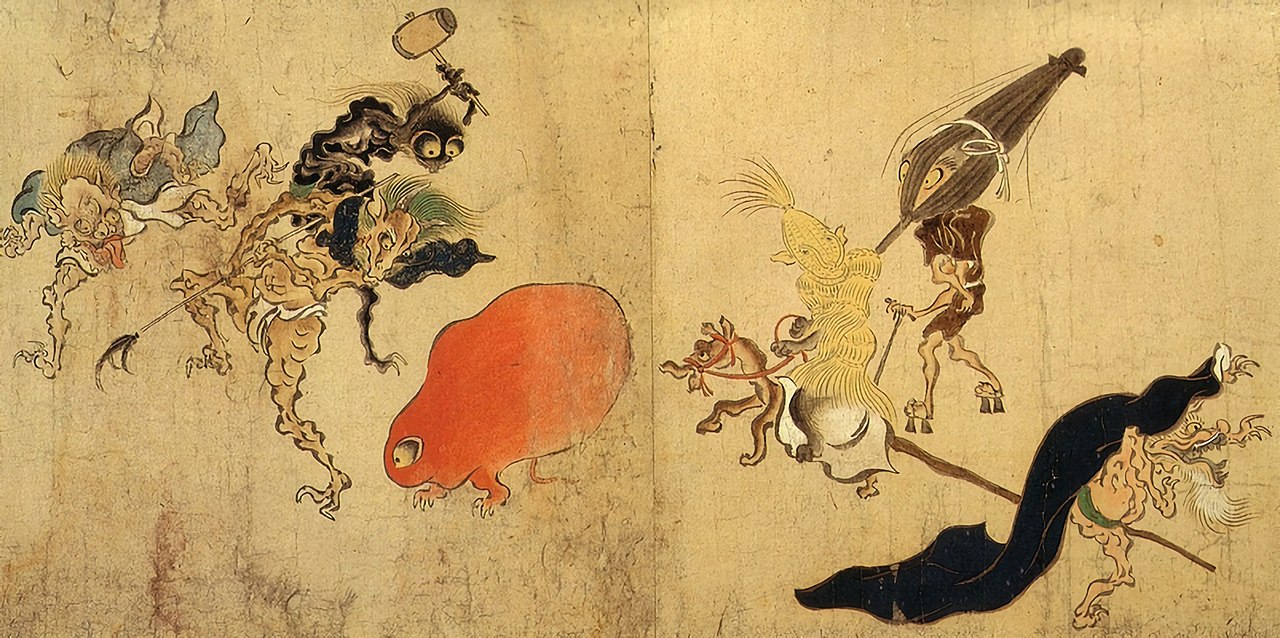
When travelers imagine traditional Japan, they often picture serene temples, cherry blossoms, and tea ceremonies. However, beneath the calm veneer of Kyoto’s history lies a darker, more whimsical world: the realm of the Yokai (spirits and monsters). Nothing captures this supernatural heritage better than the Hyakki Yagyo Emaki (百鬼夜行絵巻), or the “Picture Scroll of the Night Parade of One Hundred Demons.”
This masterpiece of Japanese art is not just a collection of spooky drawings; it is a window into the medieval Japanese imagination, blending fear, humor, and social satire. For culture lovers and travelers alike, understanding this scroll unlocks a fascinating layer of Japanese folklore that persists to this day.
The Origins of the Scroll
The Hyakki Yagyo Emaki is not a single document but a genre of picture scrolls produced during the Muromachi period (1336–1573), with the most famous version attributed to the artist Tosa Mitsunobu. The most celebrated surviving scroll is currently held by the Shinju-an sub-temple of Daitoku-ji in Kyoto.
Unlike religious scrolls meant to teach Buddhism or record history, these scrolls were often created for entertainment and artistic appreciation. Painted in the Yamato-e style, they feature vibrant colors and dynamic lines. The scroll typically depicts a riotous procession of grotesque yet comical creatures marching through the streets. Interestingly, there is no text accompanying the images in the Shinju-an version; the visual chaos speaks for itself, inviting viewers to create their own narratives about the pandemonium unfolding on the paper.
The Legend: When Tools Come to Life
The central theme of the Hyakki Yagyo is the “Night Parade of One Hundred Demons.” According to folklore, during warm summer nights, the barrier between the spirit world and the human world thins. Yokai take to the streets in a grand procession. Humans were warned to stay indoors and chant sutras, for looking upon the parade could result in death or being spirited away.
The Rise of Tsukumogami
What makes the imagery of the scroll particularly unique is the nature of the demons. While some are traditional oni (ogres), many are Tsukumogami—artifact spirits. In Japanese folklore, it was believed that tools and household objects (umbrellas, sandals, lutes, pots) that reached 100 years of age gained a soul.
The scroll vividly depicts these objects sprouting arms, legs, and eyes. You can see:
- Kasa-obake: One-legged umbrellas jumping with long tongues.
- Biwa-bokuboku: Lutes (biwa) strolling like bards.
- Chōchin-obake: Paper lanterns with gaping mouths.
Scholars suggest this was also a subtle social commentary on the Buddhist concept of impermanence and the wastefulness of humans discarding old tools.
From Ancient Scrolls to Modern Culture
The influence of the Hyakki Yagyo Emaki on modern Japanese pop culture cannot be overstated. The transition of yokai from terrifying monsters to lovable characters began with these scrolls, where the demons often look more goofy than gorey.
If you have ever watched Studio Ghibli films, you have seen the scroll’s legacy. The parade of spirits in Isao Takahata’s Pom Poko is a direct homage to the Hyakki Yagyo. Similarly, the diverse spirit designs in Hayao Miyazaki’s Spirited Away draw heavy inspiration from the Tsukumogami found in these ancient scrolls.
Beyond film, the concept permeates anime and gaming. Series like Jujutsu Kaisen, Demon Slayer, and the entire Pokémon franchise owe a debt to the taxonomy of monsters visually codified in these medieval artworks.
Traveler’s Tips: Where to Find the Demons
For travelers visiting Japan, you don’t need a time machine to experience the Night Parade. Here is how to immerse yourself in the world of the Hyakki Yagyo:
1. Visit Ichijo-dori (Yokai Street), Kyoto
Legend states that the original Night Parade marched down Ichijo-dori. Today, the local shopping district has embraced this history. Shops display homemade yokai statues outside their doors, and you can buy monster-themed snacks. It is a fantastic, off-the-beaten-path cultural experience.
2. Kyoto National Museum
While the original Shinju-an scroll is rarely on public display due to its fragility, the Kyoto National Museum frequently hosts special exhibitions regarding supernatural art. They often display replicas or related scrolls that offer an up-close look at the brushwork.
3. Kodai-ji Temple Night Illuminations
In summer, Kodai-ji Temple in Kyoto often holds special exhibitions featuring yokai scrolls and ghost paintings (yurei-zu). Walking through the temple grounds at night adds an atmospheric chill perfect for the theme.
Sources & Further Reading
To deepen your understanding of the mythology behind the scroll, consider exploring these historical texts and collections:
- The Tsukumogami Ki (Record of Tool Spirits): A Muromachi-period otogizoshi (short narrative) that explains the origin of the animate tools found in the scrolls.
- The Konjaku Monogatarishu (Anthology of Tales from the Past): A collection of Heian period stories that contains early references to demon parades and supernatural encounters.
- The Nihon Shoki and Kojiki: While these 8th-century texts focus on creation myths and gods (Kami) rather than the specific Hyakki Yagyo parade, they provide the foundational Shinto and Buddhist context necessary to understand the spiritual world of Japan.
- Toriyama Sekien’s Gazu Hyakki Yagyo: An 18th-century encyclopedia of yokai that cataloged the creatures seen in earlier scrolls, standardizing their names and appearances for future generations.
The Hyakki Yagyo Emaki remains a testament to Japan’s ability to find beauty and humor in the darkness. Next time you walk a quiet street in Kyoto at night, listen closely—you might just hear the distant sound of a sandal marching to the beat of an ancient drum.