
Unrolling History: The Art and Legacy of Japanese Makimono
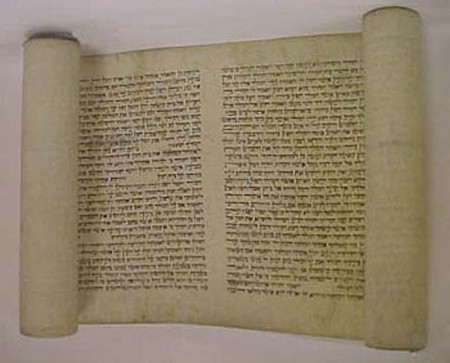
In the digital age, we are accustomed to “scrolling” through information on our screens. However, centuries before the smartphone, Japanese culture perfected the art of the horizontal scroll. Known as Makimono (巻物), these handscrolls are more than just ancient books; they are cinematic experiences captured on paper and silk, serving as the ancestors of modern animation and manga.
The Origins of the Handscroll
The concept of the scroll originated in China and was introduced to Japan along with Buddhism in the 6th and 7th centuries. Initially, Makimono were strictly utilitarian, used primarily for copying sacred Buddhist sutras. These early scrolls were treated with immense reverence, often written in gold or silver ink on indigo-dyed paper.
However, during the Heian period (794–1185), a distinct Japanese aesthetic emerged. The format evolved from purely text-based religious documents into Emakimono (picture scrolls). This transition marked a golden age of Japanese art. Artists began combining calligraphy with Yamato-e (Japanese-style painting) to tell secular stories, romances, and historical chronicles. Unlike a book, which is read page by page, a Makimono is designed to be held in the hands. The reader unrolls it with the left hand while rerolling it with the right, revealing the narrative scene by scene, much like a moving camera pan in a film.
Legends in Ink: The Flying Granary
One cannot discuss Makimono without delving into the legends they depict. These scrolls often served as religious propaganda, illustrating the miraculous powers of monks and deities to the common people. A prime example is the Shigisan Engi Emaki (Legends of Mount Shigi), dating back to the 12th century.
The most famous section tells the story of the monk Myoren. According to the legend, Myoren had a magic alms bowl that he would send flying down the mountain to a nearby village to collect rice. One day, a greedy merchant grew tired of the bowl and locked it inside his granary. Suddenly, the bowl lifted the entire granary—rice, building, and all—into the air! The scroll depicts the granary flying over the landscape with the merchant chasing frantically below. This dynamic visual storytelling, filled with humor and movement, showcases the power of the Makimono format to bring folklore to life.
Modern Culture: The Grandfather of Manga
While Makimono may seem like relics of the past, their DNA is deeply embedded in modern Japanese pop culture. Art historians and critics widely regard the narrative techniques developed in these scrolls as the precursors to Manga and Anime.
The famous Chōjū-jinbutsu-giga (Scroll of Frolicking Animals), often called Japan’s first manga, depicts rabbits and frogs engaged in archery and wrestling. It utilizes distinct anthropomorphism and line work that echoes contemporary comics. Furthermore, the “continuous shot” technique of the scroll influenced how Japanese creators approach visual pacing. Today, the word Makimono creates a sense of ninja mysticism in video games and anime (like Naruto), where scrolls are summoned to unleash spells or weapons, keeping the mystique of the object alive for a global audience.
Traveler’s Tips: Viewing Makimono Today
For the culture-focused traveler, seeing a real Makimono is a must. However, due to their fragility and sensitivity to light, they are not on permanent display. Here is how to maximize your chances of seeing one:
Where to Go
- Tokyo National Museum (Ueno): Holds one of the largest collections of National Treasure scrolls. Check their “Regular Exhibition” schedule for the Honkan (Japanese Gallery).
- Kyoto National Museum: Excellent for viewing Heian-period scrolls and Buddhist sutras.
- The Tokugawa Art Museum (Nagoya): Famous for housing the 12th-century Tale of Genji scrolls.
Etiquette and Expectations
- Rotation is Key: Museums rotate scrolls every 4 to 6 weeks to preserve the ink. Always check the museum website for specific exhibition dates.
- Lighting: Expect the galleries to be dimly lit to protect the pigments.
- Replicas: High-quality facsimiles are often displayed when originals are in storage. These are still worth viewing as they allow you to see the entire narrative flow, which is sometimes impossible with fragile originals that can only be partially unrolled.
Sources & Further Reading
To deepen your understanding of Japanese history and the context of these scrolls, the following texts and resources are recommended:
- The Tale of Genji (Genji Monogatari): Reading the original text provides context for the famous picture scrolls.
- Nihon Shoki (The Chronicles of Japan): For understanding the early history and mythology often depicted in later historical scrolls.
- Emakimono: The Art of the Japanese Painted Handscroll by Hideo Okudaira.
- Kyoto National Museum Archives: Offers excellent digital viewings of their scroll collections online.