
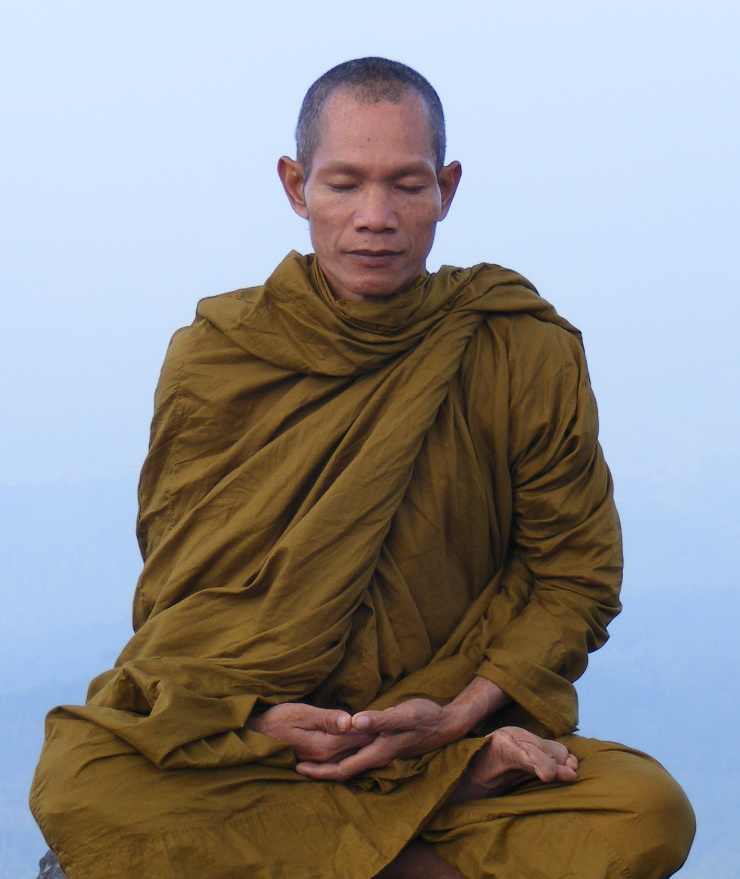
Experience Zazen: The Art of Zen Meditation in Japan
In the heart of a bustling Tokyo or the quiet hills of Kyoto, there exists a sanctuary of silence that transcends time. The scent of sandalwood incense drifts through the air, and the rustle of tatami mats settles into stillness. This is the world of Zazen (座禅), the seated meditation at the core of Zen Buddhism. For travelers visiting Japan, participating in a Zazen session is not merely a cultural activity; it is a profound opportunity to unplug from the digital chaos and look inward.
While the concept of “mindfulness” has become a global buzzword, Zazen is the disciplined ancestor of this movement. It is the practice of “just sitting” (shikantaza), suspending judgment, and letting thoughts pass like clouds in the sky. Whether you are a spiritual seeker or a curious traveler, understanding Zazen offers a unique window into the Japanese soul.
The Origins of Zazen
To understand Zazen, one must look back to the roots of Buddhism itself. The practice originated in India with the historical Buddha, Siddhartha Gautama, who attained enlightenment while sitting in meditation under the Bodhi tree. This tradition traveled along the Silk Road to China, where it evolved into Chan Buddhism, absorbing elements of Taoism along the way.
It was not until the Kamakura Period (1185–1333) that Zen took firm root in Japan. Two key figures are credited with establishing the major schools of Zen that exist today:
- Myoan Eisai, who brought Rinzai Zen (focusing on koan riddles) and tea seeds to Japan from China.
- Dogen Zenji, who founded the Soto school, which emphasizes Zazen—pure, objectless meditation—as the primary path to enlightenment.
Dogen taught that practice and enlightenment are one and the same; sitting in Zazen is not a means to an end, but the realization of one’s inherent Buddha nature.
Legend: The Wall-Gazing Monk
No discussion of Zazen is complete without the legend of Bodhidharma (known as Daruma in Japan), the Indian monk credited with transmitting Chan Buddhism to China in the 5th or 6th century. He is a ubiquitous figure in Japanese culture, often depicted with a fierce, wide-eyed expression and no legs.
According to legend, Bodhidharma traveled to the Shaolin Monastery in China. Finding the monks there physically weak, he taught them exercises (the precursor to Kung Fu) and retreated to a nearby cave. There, he sat in Zazen facing a wall for nine years without moving. The legend claims his concentration was so intense that his legs atrophied and fell off—hence the legless Daruma dolls sold today as charms for perseverance and luck.
Another famous, albeit gruesome, tale involves Bodhidharma cutting off his own eyelids in a fit of frustration after falling asleep during meditation. Legend has it that tea plants sprang up where his eyelids touched the ground, giving monks a caffeinated aid to stay awake during Zazen. These stories emphasize the fierce determination required to master the mind.
Zazen in Modern Japanese Culture
While traditional monastic training remains rigorous, Zazen has evolved in modern Japan. It is no longer reserved solely for monks living in seclusion. In a society known for long working hours and high stress, Zazen has seen a resurgence as a method for mental health and corporate training.
Many Japanese companies now send new employees to temples for a few days of Zen training. The goal is to cultivate resilience, focus, and a collective spirit. Furthermore, the aesthetics associated with Zen—simplicity, asymmetry, and naturalness—permeate modern Japanese design, architecture, and even cuisine (Shojin Ryori).
However, it remains a spiritual anchor. In the early morning hours, before the bullet trains start running, local communities often gather at neighborhood temples for Gyoten (dawn zazen), proving that the ancient practice is very much alive in the concrete jungle.
Traveler’s Tips: How to Experience Zazen
Participating in a Zazen session is a highlight for many visitors. Here is how to do it respectfully:
1. Where to Go
- Kyoto: Known as the cultural capital, Kyoto offers the most authentic experiences. Temples like Nanzen-ji, Kennin-ji, and Shunkoin offer sessions in English.
- Kamakura: Home to the Great Buddha, Engaku-ji temple offers daily morning meditation sessions open to the public.
- Fukui: For the truly adventurous, Eiheiji, the head temple of the Soto sect founded by Dogen, offers overnight stays (shukubo) with rigorous training schedules.
2. Etiquette and The Stick
Wear loose, modest clothing (no shorts or tank tops). Remove your shoes before entering the dojo. Enter with your left foot first and bow.
During the session, you may see a monk carrying a flat wooden stick called a keisaku (or kyosaku). If a meditator is sleepy or their posture is slouching, the monk may strike them on the shoulder. Do not be alarmed. This is not punishment; it is an act of compassion to help invigorate the mind and body. In many public sessions, you must request the stick by bowing with hands together (gassho) as the monk approaches.
3. Posture
The ideal position is the full lotus, but half-lotus or simply sitting cross-legged on the zafu (cushion) is acceptable for beginners. Keep your spine straight, tuck your chin in, and keep your eyes half-open, gazing at the floor about a meter in front of you. Breathe through your nose.
Sources & Further Reading
To deepen your understanding of the history and philosophy behind Zazen, consider exploring the following texts:
- Shobogenzo (Treasury of the True Dharma Eye): The masterwork by Dogen Zenji, providing the philosophical basis for Soto Zen and detailed instructions on Zazen.
- Fukan Zazengi (Universally Recommended Instructions for Zazen): A short, practical text by Dogen that serves as a manual for the physical and mental aspects of the practice.
- The Gateless Gate (Mumonkan): A classic collection of Zen koans compiled in the 13th century, essential for understanding the Rinzai school of thought.
- Nihon Shoki (The Chronicles of Japan): While primarily a Shinto creation myth and historical record completed in 720 AD, it provides the cultural context of pre-Buddhist Japan, helping travelers understand the spiritual landscape that Zen later entered.