
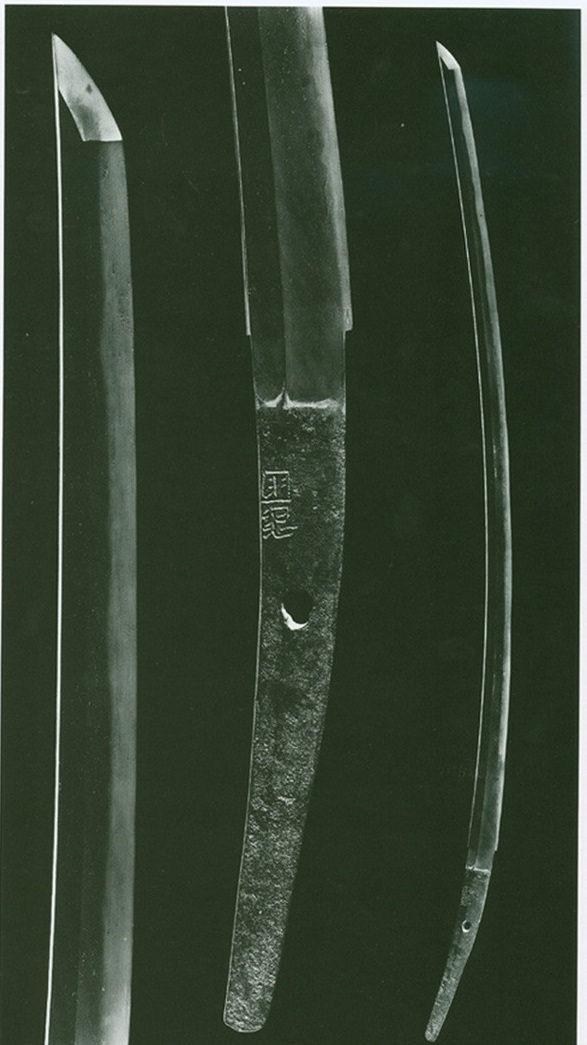
The Five Swords Under Heaven: Unveiling Japan’s Tenka Goken
To the uninitiated, a katana is simply a weapon of war. However, within the intricate tapestry of Japanese history and folklore, the sword represents the soul of the samurai and the pinnacle of artistic craftsmanship. Among the thousands of blades forged over centuries, five stand above the rest. Known collectively as the Tenka Goken (天下五剣), or “The Five Swords Under Heaven,” these masterpieces are not merely weapons; they are National Treasures imbued with mythology, spirits, and the history of Japan itself.
Origins of the Masterpieces
The grouping of the Tenka Goken likely originated during the Muromachi period (1336–1573), a time when sword appreciation flourished alongside the tea ceremony. Unlike other classifications based purely on sharpness or cutting ability, the Five Swords were selected for a combination of their exquisite craftsmanship, their storied lineage, and the divine aura they were believed to possess.
These blades date back to the Heian (794–1185) and Kamakura (1185–1333) periods, considered the Golden Age of Japanese swordsmithing. They were forged by legendary smiths such as Yasutsuna, Munechika, and Kunitsuna. While three belong to the government as National Treasures, one is held by a shrine, and another remains a treasured heirloom of the Nichiren Buddhist sect.
Legends of the Five Blades
What separates the Tenka Goken from other historical artifacts are the legends etched into their steel. Each sword possesses a unique personality and a tale that blurs the line between history and myth.
1. Dojigiri Yasutsuna (The Demon Cutter)
Perhaps the most famous of the five, the Dojigiri is celebrated as the “Yokozuna” (grand champion) of Japanese swords. Forged by Hoki-no-Kuni Yasutsuna, legend states that the Heian period warrior Minamoto no Yorimitsu used this blade to decapitate Shuten-doji, a terrifying alcoholic demon terrorizing Kyoto. The sword is famed not just for this feat, but for its unparalleled cutting ability and balance.
2. Onimaru Kunitsuna (The Demon Circle)
This sword earned its name through a supernatural encounter involving the regent Hojo Tokiyori. Suffering from a demonic curse, Tokiyori dreamt that an imp appeared in his room. In the dream, the sword moved on its own, cutting off one of the feet of the brazier in the room, which was shaped like a demon. Upon waking, he found the brazier foot severed, and his illness cured. It became a treasured possession of the Ashikaga shoguns and later the Imperial family.
3. Mikazuki Munechika (The Crescent Moon)
Often cited as the most beautiful of the five, the Mikazuki is known for its elegant temper line (hamon) which contains crescent moon shapes. Forged by Sanjo Munechika, it is an aristocrat among swords, having been possessed by the Ashikaga shoguns and the great unifier Toyotomi Hideyoshi. Its beauty lies in its grace rather than its brute strength.
4. Odenta Mitsuyo (The Great Denta)
Forged by Miike Denta Mitsuyo, this blade is shorter and wider than its counterparts. Legend holds that it possesses spiritual healing powers. When a daughter of the Maeda clan fell ill, the sword was placed by her bedside, and she recovered miraculously. It was also said that birds would never approach a building where this sword was housed, fearing its spiritual pressure.
5. Juzumaru Tsunetsugu (The Rosary Sword)
This blade symbolizes faith. It was owned by Nichiren, the founder of the Nichiren sect of Buddhism. To emphasize that the sword was for the protection of the righteousness rather than killing, Nichiren wrapped a set of Buddhist prayer beads (juzu) around the hilt. It remains guarded by the Honkoji Temple in Amagasaki today.
Modern Culture and Revival
In contemporary Japan, the Tenka Goken have transcended museum glass to become pop culture icons. The massive popularity of franchises like Touken Ranbu, which anthropomorphizes historical swords into handsome warriors, has sparked a “katana boom.”
Younger generations, particularly women (known as katana-joshi or sword girls), now flock to museums to see these blades. This cultural resurgence has helped fund preservation efforts and renewed interest in the dying art of traditional swordsmithing.
Traveler’s Tips: Viewing the Swords
Seeing the Tenka Goken is a rare privilege, as they are not on permanent display due to preservation concerns. However, dedicated travelers can plan ahead:
- Tokyo National Museum (Ueno): This is the most likely place to see the Dojigiri Yasutsuna and Mikazuki Munechika. Check their “Regular Exhibition” schedule for the Japanese Sword room.
- Honkoji Temple (Hyogo): The Juzumaru is displayed only once a year, typically around November 3rd for the “Air-ing of Insects” ceremony.
- Maeda Ikutokukai (Tokyo): The Odenta is held here but is rarely shown publicly, save for special collaborative exhibitions.
Pro Tip: Always check the official museum websites for “Special Exhibitions” (Tokubetsuten) months in advance. The swords are sensitive to light and humidity and are usually rested for long periods after a short display window.
Sources & Further Reading
For those interested in the deep history of these artifacts, the following texts and resources provide context on the eras in which they were forged:
- The Tale of Heike (Heike Monogatari): Essential for understanding the Genpei War era and the warrior culture that birthed these blades.
- Nihon Shoki (The Chronicles of Japan): While predating these specific swords, this text establishes the mythological importance of weaponry in Shinto belief (such as the Kusanagi sword).
- Tokyo National Museum Archives: Offers detailed provenance records for the Dojigiri and Mikazuki.
- The Connoisseur’s Book of Japanese Swords by Kokan Nagayama.