
Navigating Fate: A Traveler’s Guide to Japan’s Directional Deities
Have you ever noticed Japanese locals eating large sushi rolls in complete silence while facing a very specific compass direction during early February? Or perhaps you have seen complex compass wheels etched in stone at ancient shrines in Kyoto? These are not random acts or decorations; they are the enduring legacy of Houijin (方位神), or Directional Deities.
For the culturally curious traveler, understanding these invisible guardians of the compass offers a fascinating glimpse into the spiritual geography of Japan. These deities do not sit still; they migrate, altering the map of luck and misfortune every year, month, and even day.
The Origins: Where Stars Meet Soil
The concept of Directional Deities is deeply rooted in Onmyodo (The Way of Yin and Yang), a traditional Japanese esoteric cosmology based on Chinese philosophies of Wu Xing (Five Elements) and Yin-Yang.
Arriving in Japan around the 6th century, these beliefs flourished during the Heian Period (794–1185). The Imperial Court employed official Onmyoji (diviners)—most famously Abe no Seimei—to interpret celestial movements. They believed that specific gods occupied different compass points at different times.
Unlike the static gods of Western mythology, Houijin are transient. A direction that is auspicious (lucky) one year might be disastrous the next, depending on which deity has taken up residence there. This belief system dictated everything from the planning of imperial capitals like Kyoto to the daily movements of the aristocracy.
Legend of the Wandering Gods
The pantheon of Directional Deities is vast, but a few key figures dictate the flow of fate.
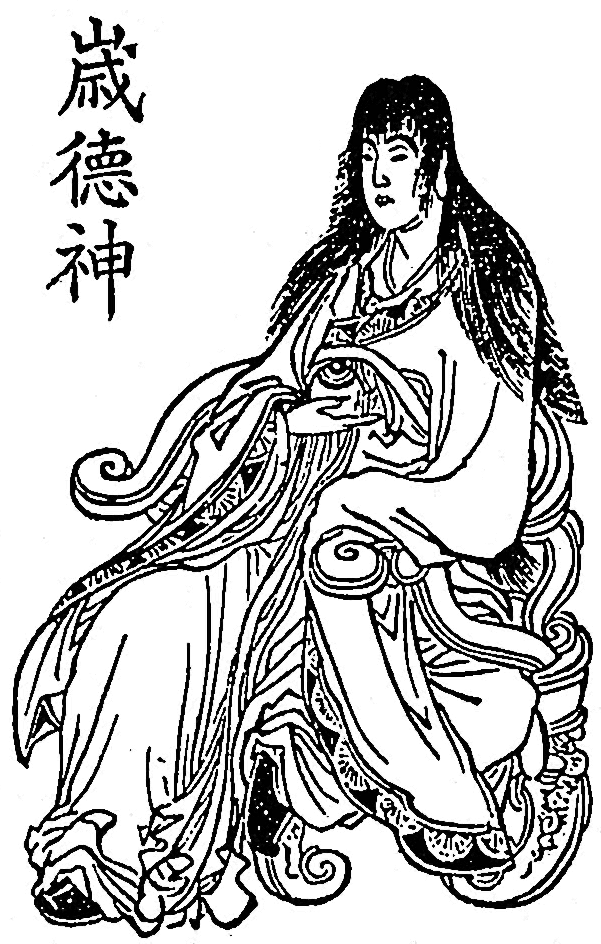
Toshigami (The Year God)
Perhaps the most welcome of the Houijin is Toshigami-sama. This deity brings the New Year’s blessings, harvest abundance, and ancestral protection. The direction in which Toshigami resides for the year is called the Eho (恵方), or “Blessed Direction.” This is the axis of luck for that specific year, and facing it is believed to grant success in ventures.
Konjin (The Metal God)
On the other end of the spectrum is Konjin, a wandering deity associated with the element of metal. Legends describe Konjin as a fierce, vengeance-prone spirit. If one were to travel, move house, or perform construction in the direction occupied by Konjin, they risked grave misfortune or death. In the past, this was taken so seriously that aristocrats would perform Kata-tagae (changing direction)—traveling in a harmless direction first, staying overnight, and then approaching their destination from a safe angle the next day to trick the directional taboos.
Modern Culture: Compass and Convenience
While modern Japanese people do not typically practice Kata-tagae to commute to work, the influence of Directional Deities remains surprisingly potent in contemporary culture.
Setsubun and the Ehomaki
The most visible remnant of this belief occurs during Setsubun, the day before the beginning of spring (usually February 3rd). Convenience stores and supermarkets go into a frenzy selling Ehomaki (lucky direction sushi rolls). Tradition dictates that one must eat the entire roll uncut (to avoid cutting ties with good luck) while facing the year’s Eho, decided by the position of Toshigami. It is a moment where ancient cosmology meets modern consumerism.
Construction and Moving
Even today, many Japanese architects and homeowners consult Shinto priests or Onmyodo almanacs before breaking ground on a new house. The positioning of the entrance, the kitchen, and the toilet are often adjusted to appease the directional lords. Moving into a new apartment during a “bad direction” year for your specific zodiac sign is often avoided, or countered with a purification ritual.
Traveler’s Tips: Experiencing the Directions
If you want to engage with this unique aspect of Japanese spirituality, here are a few ways to do it:
- Visit Jonangu Shrine (Kyoto): Known as a sanctuary for avoiding directional misfortune. It is famous for Houiyoke (direction protection) prayers. The shrine grounds feature beautiful gardens and directional markers.
- Look for the Compass: At older temples, look for the Hokoban, a stone or wooden board showing the zodiac animals and directions. It’s a photographer’s delight and a nod to the old ways.
- Get an Omamori: If you are traveling extensively, visit a shrine and purchase a Kotsu Anzen (Traffic Safety) or specifically a Houiyoke amulet. Attach it to your backpack or suitcase to ward off the influence of difficult deities like Konjin.
Sources & Further Reading
For those interested in diving deeper into the history of Japanese mythology and cosmology, the following texts and figures provide essential context:
- The Nihon Shoki (Chronicles of Japan): While primarily a Shinto creation myth, it lays the groundwork for the spiritual landscape Onmyodo would later navigate.
- The Tale of Genji: Written in the Heian period, this classic literature contains numerous references to characters changing their travel plans based on directional superstitions.
- Works on Abe no Seimei: Research the life of Japan’s most famous Onmyoji to understand the master of these directional interpretations.