
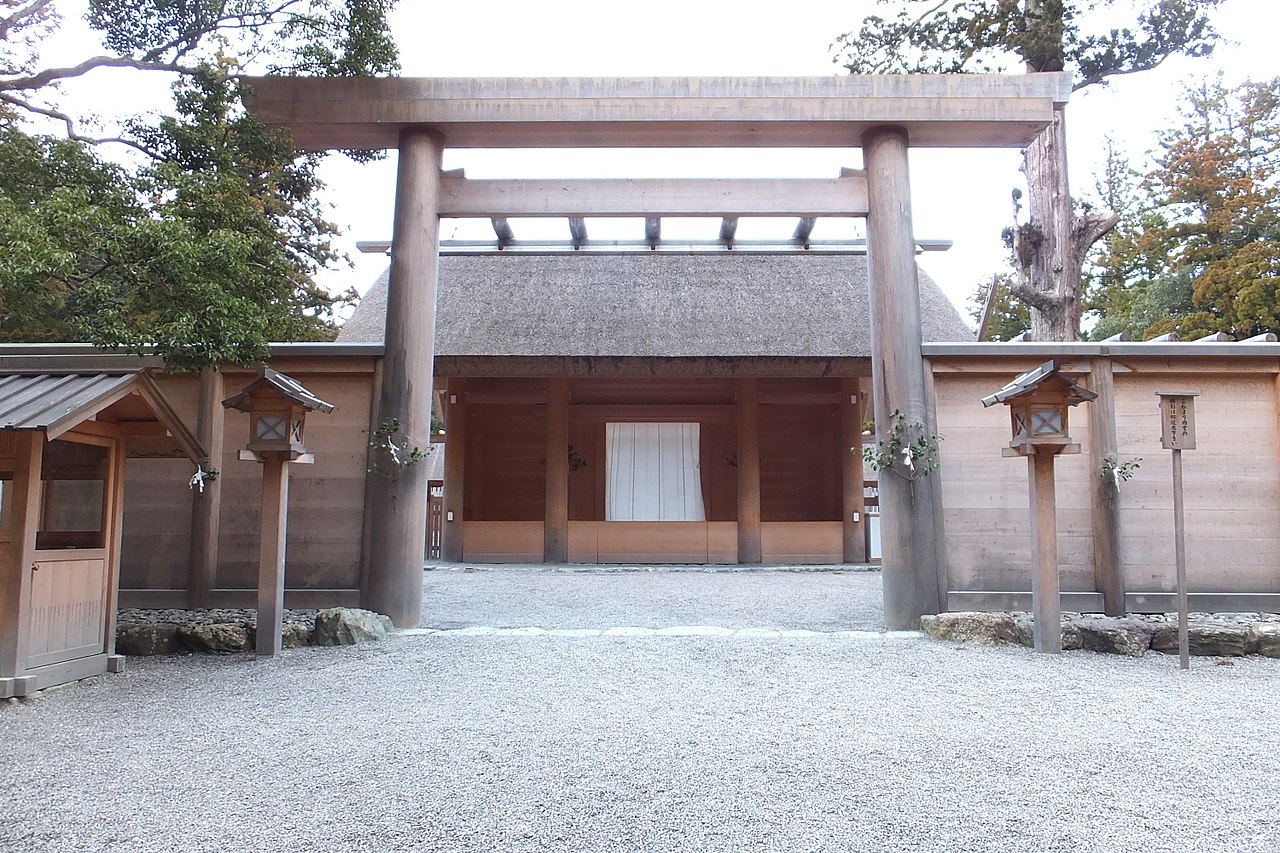
Toyouke Grand Shrine: The Sacred Geku of Ise Jingu
When travelers speak of the spiritual heart of Japan, all roads eventually lead to Ise Jingu. While the Inner Shrine (Naiku) often garners the most international fame due to its association with the Sun Goddess Amaterasu, the Outer Shrine, or Toyouke Grand Shrine (Geku), is an equally vital component of this sacred complex. Stepping onto the gravel path of the Geku offers a profound connection to the agrarian roots and ancient Shinto traditions that define Japanese culture.
Introduction
Located in Ise City, Mie Prefecture, Ise Jingu is not a single building but a complex of 125 shrines. The Toyouke Grand Shrine, historically known as Toyoukedaijingu, is the center of the “Outer” complex. Unlike the bustle of modern tourism that sometimes crowds other famous sites, Geku maintains a solemn, forest-bathed atmosphere.
Here, amidst giant cedar trees and the rhythmic crunch of gravel underfoot, visitors pay respects to Toyouke-no-Omikami. She is the guardian deity of food, clothing, shelter, and industry. While Amaterasu provides the sun, Toyouke provides the sustenance required for life, making them an inseparable divine pair in the Shinto pantheon.
Origins
The history of Toyouke Grand Shrine is ancient, though it is slightly younger than its counterpart, the Inner Shrine. Historical records indicate that Geku was established in 478 AD, approximately 500 years after the founding of Naiku.
The architecture reflects the purest style of Japanese building known as Yuiitsu-shinmei-zukuri. This style predates Buddhist influence, characterized by thatched roofs, unpainted cypress wood, and the use of katsuogi (decorative logs) and chigi (forked finials). The simplicity is intentional; it represents purity and harmony with nature, core tenets of the Shinto faith.
Legend: The Divine Invitation
Why was Toyouke-no-Omikami brought to Ise? The answer lies in a fascinating legend recorded in ancient imperial history.
According to tradition, during the reign of the 21st Emperor, Yuryaku, the Sun Goddess Amaterasu appeared to the Emperor in a dream. She told him that she was lonely and could not enjoy her meals peacefully in isolation. She requested the presence of Toyouke-no-Omikami, who was then enshrined in the Tamba Province (modern-day northern Kyoto/Hyogo area), to oversee her meals and daily necessities.
Heeding this divine instruction, Emperor Yuryaku ordered the construction of the Geku and invited the deity of food to reside there. This established the tradition of the Higoto Asayu Omike-sai, a ritual where meals are offered to Amaterasu twice a day—a ceremony that has continued uninterrupted for over 1,500 years.
Modern Culture and Rituals
Today, Toyouke Grand Shrine is not merely a relic; it is a living institution. It serves as a pilgrimage site not only for those seeking spiritual peace but also for leaders in the food and manufacturing industries praying for prosperity.
The Cycle of Renewal
One of the most captivating aspects of Ise Jingu culture is the Shikinen Sengu. Every 20 years, the main sanctuary buildings are completely rebuilt on an adjacent plot of land, and the deities are ceremonially moved to the new structures. The old wood is then distributed to other shrines across Japan. This practice, which last occurred in 2013, symbolizes the Shinto concept of Tokowaka (eternal youth)—the idea that the spirit remains eternal through constant renewal.
The Daily Offering
Every morning and evening, priests clad in white robes perform the ritual of offering sacred food (rice, water, salt, and seasonal products) to the deities. Witnessing the procession of priests walking silently through the forest is a hauntingly beautiful experience that transports visitors back to the 5th century.
Traveler’s Tips
Visiting Ise Jingu requires understanding a few unique customs to fully appreciate the experience:
- The Correct Order: It is customary to visit the Outer Shrine (Geku) before the Inner Shrine (Naiku). This follows the Japanese tradition of sanshu-no-jinkei, or gradual approach to the most sacred space.
- Walking Etiquette: At Geku, visitors should keep to the left side of the approach. (Note: At Naiku, the custom changes to the right side). The center of the path is reserved for the deities.
- Torii Bowing: Stop and bow once before passing under the Torii gates as a sign of respect.
- Access: Geku is located just a 5-10 minute walk from Iseshi Station (JR or Kintetsu lines), making it very accessible. Plan to spend about 45-60 minutes here before taking a bus to Naiku.
- Museum: Don’t miss the Sengukan Museum nearby, which offers an in-depth look at the shrine construction techniques and the tools used in the 20-year rebuilding cycle.
Sources & Further Reading
For those interested in delving deeper into the mythology and history surrounding Toyouke Grand Shrine, the following texts are essential:
- The Kojiki (Records of Ancient Matters): Completed in 712 AD, this text details the genealogy of the gods.
- The Nihon Shoki (The Chronicles of Japan): Finished in 720 AD, this provides the historical context of Emperor Yuryaku’s reign and the establishment of the shrine.
- Jingu Administration Office: Official records and pamphlets available at Ise Jingu provide contemporary context on rituals and the Shikinen Sengu.