
Kamidana: A Guide to Japan’s Household Shinto Altars
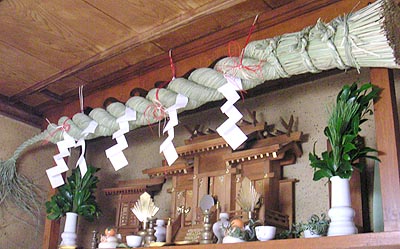
If you have ever stayed in a traditional Japanese ryokan (inn) or visited a family home in rural Japan, you may have noticed a small, high shelf adorned with white ceramic vases, evergreen branches, and a miniature wooden structure resembling a temple. This is the Kamidana (神棚), literally translating to “god-shelf.”
Far more than simple decoration, the Kamidana is the spiritual heart of a traditional Japanese household. It serves as a direct line of communication between the family and the Kami—the spirits or deities of the Shinto religion. For travelers interested in the nuance of Japanese culture, understanding the Kamidana offers a fascinating glimpse into how the sacred and the domestic intertwine in daily life.
Origins: Bringing the Shrine Home
The practice of maintaining a Kamidana is deeply rooted in the history of Shinto, Japan’s indigenous spirituality. While the reverence for nature spirits dates back to prehistory, the domestic Kamidana as we know it today largely gained popularity during the Edo Period (1603–1867).
During this era, pilgrimages to the Grand Shrine of Ise (Ise Jingu) became a cultural phenomenon. Pilgrims would return with Ofuda—wooden or paper amulets infused with the spirit of the deity. To house these sacred items respectfully, families built high shelves above eye level, creating a miniature sanctuary within the home. This allowed common people, who could not travel to major shrines daily, to pay their respects to the gods from their living rooms.
Structurally, the Kamidana mimics the architecture of a Shinto shrine. The focal point is the Miya-gata (shrine model) which houses the Ofuda. It creates a designated sacred space, separating the pure from the mundane elements of the house.
The Legend: The Sacred Mirror
While the shelf itself is a practical invention, the items placed upon it are steeped in ancient mythology found in the Kojiki (Records of Ancient Matters).
Central to many Kamidana setups is a small, round mirror known as the Shinkyo. In Shinto mythology, the mirror is one of the three Imperial Regalia. The legend tells of Amaterasu Omikami, the Sun Goddess, who hid inside a cave, plunging the world into darkness. To lure her out, the other gods gathered outside and held up a mirror. When Amaterasu peeked out, she was dazzled by her own reflection, allowing the other gods to pull her from the cave and restore light to the world.
The mirror on a Kamidana represents this purity and truth. It is said that when you look into the sacred mirror, you are not just seeing your reflection, but removing the “ego” (represented by the self) to reveal the Kami within. It serves as a reminder of the link between the worshiper and the divine lineage of the Imperial family.
Modern Culture and Daily Rituals
In modern Japan, the Kamidana remains a fixture in many homes, traditional martial arts dojos, and even corporate offices. It is common to see a Kamidana in the office of a company president, ensuring business prosperity and safety for employees.
The rituals associated with the Kamidana are performed daily, usually by the head of the household or a company manager. The worship involves:
- Shinsen (Offerings): Every morning, fresh offerings are placed on the shelf. These typically include rice (for sustenance), salt (for purification), and water. On special occasions, sake is also offered.
- Sakaki: Vases containing branches of the Sakaki tree (sacred evergreen) are kept fresh, symbolizing the vitality of nature.
- Worship: The ritual follows the standard Shinto shrine etiquette: two bows, two claps, a moment of prayer/gratitude, and one final bow.
While the presence of Kamidana has declined in ultra-modern, compact Tokyo apartments, they remain prevalent in the countryside and among older generations. They represent a continuity of tradition, a moment of mindfulness before the rush of the workday begins.
Traveler’s Tips: Respect and Observation
As a traveler, you are most likely to encounter a Kamidana in a minshuku (family-run guesthouse), a traditional restaurant, or a ryokan. Here is how to navigate this cultural element:
- Do Not Touch: Never touch the Kamidana or the items on it. It is a consecrated space. If you are staying in a room with one, treat the area with the same respect you would a church or temple altar.
- Don’t Use it as Storage: It might look like a convenient shelf for your sunglasses or room key, but placing personal items there is considered highly disrespectful.
- Observation: If you are invited to witness a morning ritual, stand quietly and observe. It is a solemn moment.
- Souvenirs: If you wish to buy a Kamidana for your own home, they are sold at Shinto shrine shops and specialized butsudan/kamidana distinct stores. However, remember that without the Ofuda (which must be renewed annually at a shrine), it is simply a piece of woodwork. The spiritual component comes from the amulet inside.
Sources & Further Reading
For those wishing to dive deeper into the mythology and history behind the deities enshrined in the Kamidana, the following texts are essential:
- The Kojiki (Records of Ancient Matters): Japan’s oldest historical record, detailing the myths of the Shinto gods.
- The Nihon Shoki (The Chronicles of Japan): A classical history book that provides further context on the lineage of Amaterasu.
- Shinto: The Kami Way by Sokyo Ono: A great English-language introduction to the practical aspects of the faith.
By understanding the Kamidana, you unlock a deeper appreciation for the quiet, pervasive spirituality that defines the Japanese cultural landscape.