
Hatsumiyamairi: A Guide to Japan’s First Shrine Visit
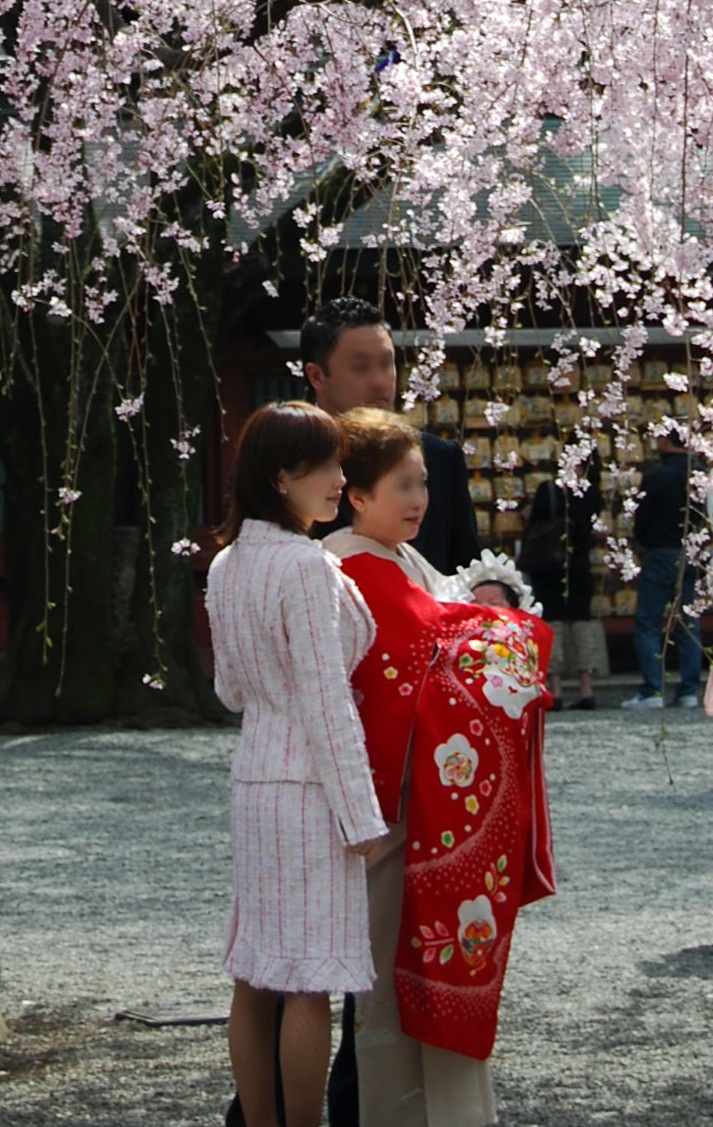
If you have ever wandered through the vermilion gates of a major Japanese shrine like Meiji Jingu in Tokyo or Fushimi Inari in Kyoto on a weekend morning, you may have witnessed a heartwarming scene. A family procession passes by, dressed in formal attire, centering around a grandmother cradling a newborn baby draped in a stunning, colorful kimono. This is Hatsumiyamairi (often shortened to Omiyamairi), the traditional first shrine visit for a newborn. It is a profound cultural touchstone that marks a child’s official entry into the community and their introduction to the Shinto deities.
Introduction: The First Step in a Japanese Life
Hatsumiyamairi translates literally to “first shrine visit.” In the Shinto faith, it is the ceremony where a newborn is presented to the Ujigami (the local guardian deity) to express gratitude for a safe birth and to pray for the child’s health and happiness.
While Japan is a modern, high-tech society, these rites of passage remain deeply ingrained in the culture. The ceremony transforms the infant from a mere biological entity into a recognized member of society and a parishioner (ujiko) of the local shrine. For travelers and culture enthusiasts, understanding this ritual offers a window into the Japanese view of family, community, and the spiritual world.
Origins: From Ancient Survival to Spiritual Belonging
The roots of Hatsumiyamairi run deep into Japan’s history, evolving from ancient purification rites. Historically, childbirth was considered a period of kegare (impurity/withering of spirit) due to the presence of blood, and high infant mortality rates meant that survival was never guaranteed.
In the Heian period (794–1185), the aristocracy practiced similar rites, but the commoner version we see today solidified during the Muromachi period (1336–1573). The timing of the visit is specific, though flexible in modern times: traditionally, boys are taken on their 31st or 32nd day of life, while girls are taken on their 33rd day. This specific timing marked the end of the seclusion period for the mother and child, signaling that the baby had survived the most critical window of vulnerability and was ready to face the world.
Legend and Spiritual Context
While there is no single “legend” of a hero performing the first Hatsumiyamairi, the ritual is intrinsically tied to the mythology found in Japan’s oldest historical chronicles.
The Child of the Gods
According to Shinto folklore and concepts derived from texts like the Kojiki, children are considered “gifts from the gods” (azukarimono). There is an old Japanese saying, “Until seven years old, a child is among the gods” (Nanatsu made wa kami no uchi). This implies that young children exist in a liminal space between the spiritual and human worlds. Hatsumiyamairi is the first step in tethering the child to the human realm under the protection of the Ubusuna-gami (deity of one’s birthplace).
The ritual also echoes the myth of Amaterasu (the Sun Goddess) and the importance of lineage. By presenting the child to the local kami, the family is essentially adding a new name to the divine registry, ensuring the deity knows exactly whom to protect.
Modern Culture: Kimonos and Photography
Today, Hatsumiyamairi is as much a family celebration as it is a religious rite. The solemnity of the shrine visit is often paired with a professional photoshoot, which has become a massive industry in Japan.
The Attire
The most striking visual element is the Iwai-gi (celebration dress). The baby wears a white under-kimono (habutae), covered by a brightly colored silk kimono.
- For Boys: The kimono usually features masculine motifs like hawks, dragons, or tigers, symbolizing strength and bravery. Black and navy blues are common colors.
- For Girls: The designs often feature flowers (peonies, cherry blossoms), butterflies, or temari balls, symbolizing beauty and grace. Red and pink are the dominant colors.
The Role of the Grandmother
Observant travelers might notice that it is often the paternal grandmother, not the mother, who holds the baby during the prayer. This is a remnant of the old concept of kegare. Historically, the mother was considered spiritually “impure” so soon after childbirth and couldn’t approach the altar. While this taboo has largely faded, the tradition of the grandmother holding the child persists as a gesture of respect and family hierarchy.
Traveler’s Tips: Observing with Respect
If you are lucky enough to spot a Hatsumiyamairi procession during your travels, it is a beautiful photo opportunity, but strict etiquette applies.
- Keep Your Distance: This is a private family moment. Do not block their path or interrupt the procession.
- Photography: While taking a wide shot of the shrine atmosphere including families is generally acceptable, do not zoom in on a specific baby or family without asking permission. The Japanese are very private regarding photos of children.
- Silence: If you enter the Haiden (worship hall) where a ceremony is taking place, remain silent. The chanting of the Shinto priest (Kannushi) and the ringing of bells are sacred sounds.
- Can Foreigners Participate? If you are living in Japan and have a baby, you are absolutely welcome to perform Hatsumiyamairi. Shinto is generally open to anyone who wishes to pay respects to the local shrine deity.
Sources & Further Reading
For those interested in the theological and historical foundations of these rituals, the following texts provide essential context regarding Shinto views on purity, lineage, and the kami:
- The Kojiki (Records of Ancient Matters): Japan’s oldest extant chronicle, detailing the origins of the kami and the structure of Shinto rituals.
- The Nihon Shoki (The Chronicles of Japan): Provides further historical context on the relationship between the imperial line, commoners, and the gods.
- Shinto: The Way Home by Thomas P. Kasulis: An excellent modern academic look at how Shinto is practiced in daily life.