
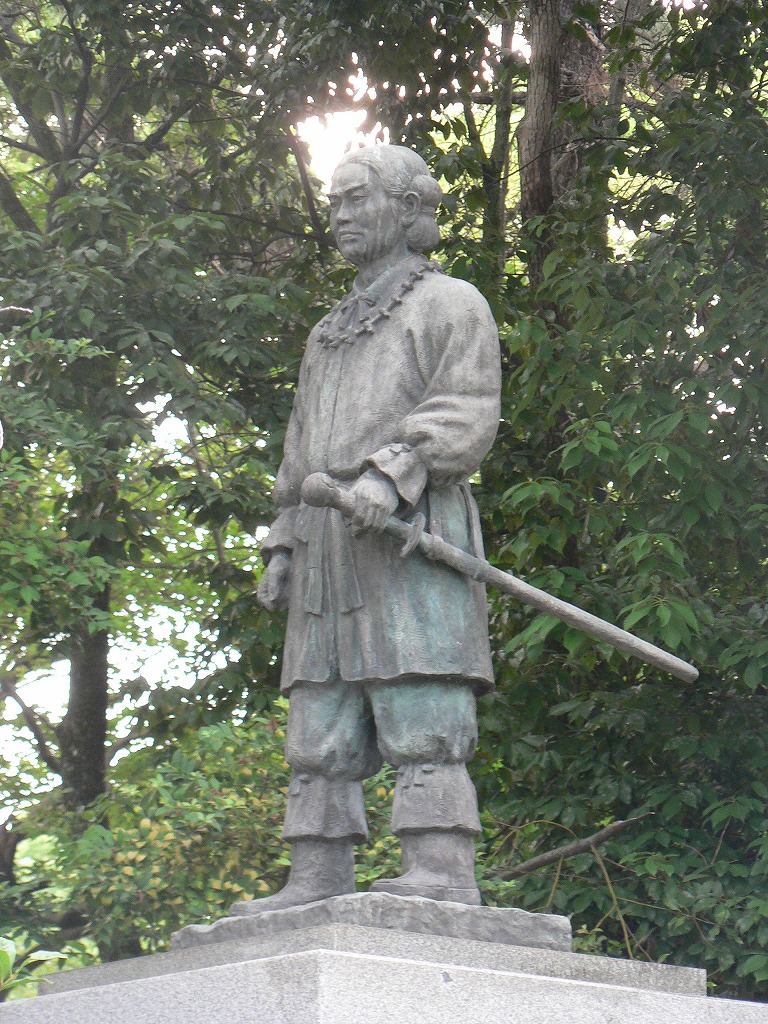
The Legend of Yamato Takeru: Japan’s Tragic Hero Prince
When travelers delve into the rich tapestry of Japanese folklore, they often encounter spirits, demons, and gods. Yet, standing tall among deities is a human figure whose story blurs the line between history and myth: Yamato Takeru (日本武尊). Often likened to King Arthur or Hercules, Yamato Takeru is the quintessential tragic hero of Japan’s ancient Yamato period. His journey is one of violence, loyalty, magic swords, and a spirit that refuses to die.
Whether you are a history buff or an anime fan, understanding this legendary prince offers a fascinating window into the formation of the Japanese state and its enduring cultural symbols.
The Origins of a Prince
Yamato Takeru, originally born as Prince Osu (Osu no Mikoto), was the son of the legendary 12th Emperor Keiko. While the exact historical dates are debated, his narrative is set during the Kofun period, roughly around the 1st or 2nd century AD. Historians generally view Yamato Takeru not as a single historical individual, but rather as a composite figure representing the military might of the Yamato court as it expanded its influence eastward and westward across the Japanese archipelago.
According to the ancient chronicles, his father feared him. As a youth, the prince demonstrated a terrifyingly violent temperament, famously executing his own brother for being late to a meal. Fearing this brutal strength, Emperor Keiko sent his son away on dangerous military campaigns, secretly hoping he might not return. Instead, the prince forged a legend.
The Legend of the Warrior
Yamato Takeru’s saga is a series of heroic trials, cunning strategies, and divine interventions. He was not just a brute; he was a master of disguise and tactics. In one famous tale, he dressed as a maidservant to infiltrate a banquet hosted by fierce rebel leaders in Kumaso (modern-day Kyushu), assassinating them once they were drunk and off-guard. It was these enemies who bestowed upon him the title “Yamato Takeru,” meaning “The Brave of Yamato.”
The Sword Kusanagi
Perhaps the most enduring aspect of his legend is his connection to the Kusanagi-no-Tsurugi (Grass-Cutting Sword), one of the Three Sacred Treasures of the Imperial House of Japan. Before departing to fight rebellion in the East, his aunt, the high priestess of Ise, gifted him this holy blade.
During a trap set by a treacherous warlord in the province of Sagami, Yamato Takeru found himself surrounded by a burning field of tall grass. In a moment of desperation, he used the sword to cut down the grass around him and used fire stones to redirect the flames toward his enemies. This miraculous escape cemented the sword’s name and its status as a protector of the Imperial line.
The White Bird
Despite his victories, the prince’s story ends in tragedy. After offending a local mountain god on Mount Ibuki by fighting with his bare hands rather than his sword, he was stricken with a fatal illness. He died alone on the Nobono Plain in Ise province, yearning for his homeland. Legend says his soul transformed into a giant white bird (shiratori), which flew away toward the Yamato plain. This poignant image of the white bird remains a symbol of the soul’s liberation and enduring loyalty.
Yamato Takeru in Modern Culture
The prince’s legacy permeates modern Japanese pop culture. He is the archetype for the shonen manga hero—young, incredibly strong, and driven by a complex relationship with duty and father figures.
- Anime and Manga: References to him appear in various series, often depicted as a warrior summoning the Kusanagi sword.
- Video Games: He appears as a “Persona” in the Persona series and is a recurring figure in the Shin Megami Tensei franchise. In the game Okami, the character Oki is loosely based on his legend.
- Currency: Before World War II, Yamato Takeru was featured on Japanese banknotes, symbolizing martial spirit and national identity.
Traveler’s Tips: Walking the Path of Legend
For travelers visiting Japan, the legend of Yamato Takeru is not just a story—it is a map. You can visit the actual sites associated with his life and death.
- Atsuta Shrine (Nagoya): This is the most significant site linked to the hero. It is said to house the Kusanagi-no-Tsurugi. While the sword is never shown to the public, the shrine grounds are majestic and steeped in history. It is a perfect stop for those traveling between Tokyo and Kyoto.
- Otori Taisha (Osaka): This shrine is dedicated to the spirit of the white bird. It is the head shrine of all Otori shrines in Japan and offers a serene atmosphere away from the bustling city center.
- Mount Ibuki (Shiga/Gifu Border): For the adventurous, hiking Mount Ibuki offers stunning views of Lake Biwa. It is the legendary site of the prince’s final, fatal battle against the boar god. The mountain is renowned for its alpine flowers and medicinal plants.
- The Imperial Mausoleum (Mie Prefecture): In Kameyama City, visitors can see the Nobono-no-Misasagi, the designated tomb of Yamato Takeru, shaped in the distinct keyhole style of the Kofun period.
Sources & Further Reading
To truly understand the depth of Yamato Takeru’s legend, one must look to Japan’s oldest historical records. These texts provide the foundation for Shinto mythology and the Imperial lineage.
- The Kojiki (Records of Ancient Matters): Completed in 712 AD, this text focuses heavily on the mythology and the emotional, tragic nature of Yamato Takeru’s life.
- The Nihon Shoki (The Chronicles of Japan): Completed in 720 AD, this text presents a slightly more formal and historical account of his military conquests.
- Ivan Morris, “The Nobility of Failure”: A fantastic book exploring the Japanese cultural love for tragic heroes, featuring a dedicated chapter on Yamato Takeru.