
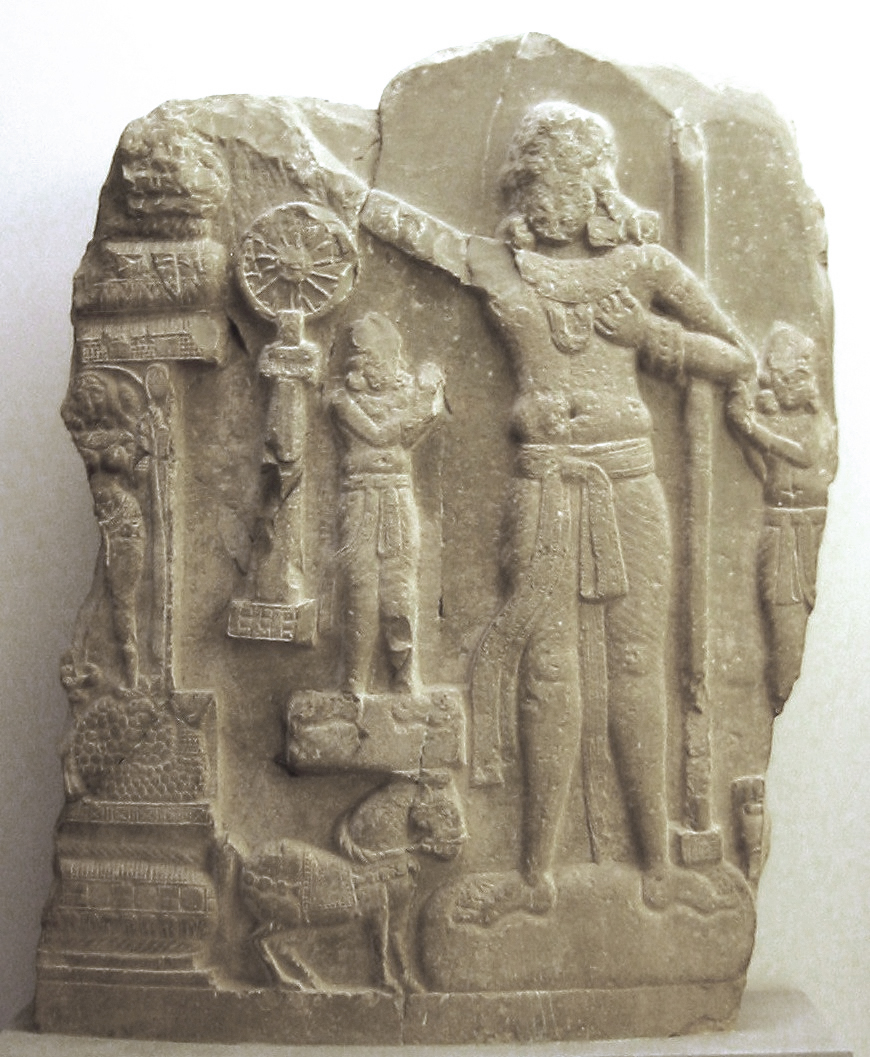
The Legend of Tenrin-ō: Japan’s Wheel-Turning King
Deep within the tapestry of Japanese Buddhist mythology lies the concept of the ultimate secular ruler: Tenrin-ō (転輪王), known in the West as the Chakravartin or the “Wheel-Turning King.” Unlike the wrathful deities or serene Bodhisattvas often depicted in temple statues, Tenrin-ō represents the ideal monarch—a ruler who governs not by force, but by righteousness and the turning of the Wheel of Dharma.
For travelers and culture enthusiasts exploring Japan, understanding Tenrin-ō offers a fascinating glimpse into how ancient philosophy shaped the country’s imperial history and continues to influence modern pop culture. This figure stands at the crossroads where spiritual enlightenment meets earthly power.
Origins: From India to the Japanese Archipelago
The concept of Tenrin-ō did not originate in Japan. It traces its roots back to ancient Vedic India and early Buddhism. The term is a translation of the Sanskrit word Chakravartin (cakravartin), which literally means “one whose wheels reflect rolling.” This imagery implies a chariot rolling obstruction-free over the land, symbolizing a ruler whose ethical power extends universally.
As Buddhism traveled along the Silk Road through China and the Korean Peninsula, arriving in Japan around the 6th century, the concept of the Chakravartin evolved. In Japan, this figure became Tenrin-ō. During the Nara and Heian periods, this ideal became a crucial tool for the Japanese Imperial family. Emperors, such as the devout Emperor Shomu (who built the Great Buddha at Todai-ji), utilized the ideology of Tenrin-ō to legitimize their rule, framing themselves as protectors of Buddhism and benevolent monarchs unifying the realm through spiritual law rather than mere military might.
The Legend: The Seven Treasures and Four Wheels
According to Buddhist sutras, a Tenrin-ō appears only when the human lifespan is very long and the world is ready for a golden age. The legend states that such a king possesses Thirty-Two Marks of a Great Man (similar to the Buddha) and is accompanied by the Seven Treasures (Shichihō):
- The Golden Wheel: It flies through the sky, guiding the king to conquer lands peacefully.
- The White Elephant: A creature of immense strength and stamina.
- The Dark Horse: A steed capable of traveling the circumference of the earth in a single day.
- The Divine Jewel: A gem that emits light and fulfills desires.
- The Ideal Queen: A partner of perfect beauty and virtue.
- The Minister (Householder): A treasurer with the ability to locate hidden wealth.
- The General: A military commander of unparalleled strategy.
The Hierarchy of Wheels
Japanese Buddhist cosmology further categorizes these kings based on the metal of the wheel they possess, signifying their rank and the extent of their domain:
- Gold Wheel King: Rules all four continents (the entire world).
- Silver Wheel King: Rules three continents.
- Copper Wheel King: Rules two continents.
- Iron Wheel King: Rules one continent (the southern continent, often equated to the known human world).
Modern Culture: Anime and Metaphor
While you may not find temples dedicated solely to worshipping Tenrin-ō as a deity, the archetype permeates Japanese pop culture. The idea of a “world ruler” or a character possessing special eyes or abilities to change the world often draws from this mythos.
- Anime & Manga: In series like Naruto, the “Rinnegan” (Samsara Eye) and the concept of a savior bringing peace connect loosely to the Chakravartin mythos. In the Fate series and various JRPGs (Japanese Role-Playing Games), the title “Chakravartin” or “Tenrin” often appears as the name of a final boss or a supreme weapon, representing absolute control over destiny.
- Literature: The tension between ruling by force versus ruling by virtue—central to the Tenrin-ō legend—is a recurring theme in Japanese historical novels.
Traveler’s Tips: Finding Traces of the Wheel-Turning King
If you are visiting Japan, you can find physical representations and historical echoes of Tenrin-ō in the following locations:
1. Todai-ji Temple (Nara)
The Great Buddha (Daibutsu) was commissioned by Emperor Shomu, who modeled his reign on the Tenrin-ō ideal. Standing before this massive bronze statue, you are looking at the physical manifestation of a ruler trying to unite Japan under the protection of the Buddha.
2. Horyu-ji Temple (Nara)
As one of the oldest wooden structures in the world, Horyu-ji contains artwork and artifacts reflecting the early adoption of Buddhist cosmology, including the symbols of the wheel (Dharmachakra).
3. National Museums (Tokyo, Kyoto, Nara)
Look for mandalas or scroll paintings depicting the “Six Realms of Existence.” You will often see kings or judges portrayed with iconography similar to Tenrin-ō. Keep an eye out for small bronze items representing the “Wheel of the Law.”
Sources & Further Reading
To deepen your understanding of how the Tenrin-ō myth influenced Japanese history and how it intersects with native Shinto beliefs, consider exploring these texts:
- The Lotus Sutra: The primary religious text that popularized the concept of the universal Buddhist monarch in East Asia.
- The Nihon Shoki (Chronicles of Japan): While primarily a Shinto text establishing the lineage of the Emperors from the Sun Goddess Amaterasu, reading this in conjunction with Nara-period history reveals how the court adopted Buddhist titles like Tenrin-ō to bolster the Emperor’s authority.
- The Konkomyo-kyō (Sutra of Golden Light): This text was revered by Japanese emperors as it promised protection of the state by the Four Heavenly Kings if the ruler governed according to the Dharma.
Understanding Tenrin-ō unlocks a deeper layer of Japanese history, transforming a simple temple visit into a journey through the political and spiritual aspirations of an ancient empire.