
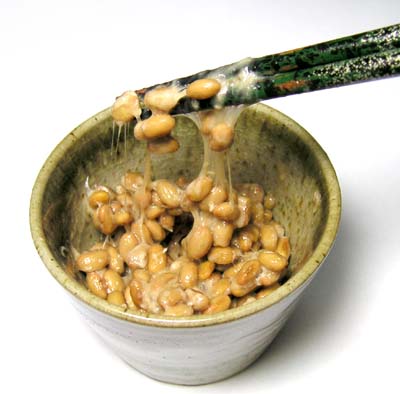
Unlocking the Flavor of Natto: Japan’s Sticky Soul Food
If you ask a room full of travelers about their culinary experiences in Japan, you will inevitably hear stories about sushi, ramen, and tempura. But mention “Natto,” and the room will divide instantly. This traditional Japanese breakfast staple—fermented soybeans notorious for their pungent aroma and slimy texture—is the ultimate gastronomic litmus test. While it challenges the Western palate, Natto is deeply woven into the cultural and nutritional fabric of Japan.
Introduction: The “Neba-Neba” Experience
In Japan, there is a specific onomatopoeia for sticky, slimy textures: neba-neba. Nothing embodies this concept quite like Natto. Sold in small Styrofoam packs in every convenience store (konbini) and supermarket across the archipelago, these brown beans are usually topped with karashi mustard and soy tare sauce.
To the uninitiated, the smell can be likened to strong cheese or old socks, and the texture is undeniably stringy. However, beneath the challenging exterior lies a savory powerhouse of umami that has sustained the Japanese people for centuries. It is not just food; it is a cultural icon of resilience and health.
Origins of the Fermented Bean
Natto is made by fermenting soybeans with Bacillus subtilis var. natto. Historically, this process occurred naturally. Farmers would wrap boiled soybeans in rice straw, which naturally contains the necessary bacteria. The warmth of the straw and the enclosed environment allowed the bacteria to thrive, breaking down the beans’ proteins into amino acids, creating that distinct stringy consistency.
While modern production uses sterile environments and injected cultures, the fundamental biology remains the same. The result is a preservation method that kept protein sources viable long before the invention of refrigeration. The connection to rice straw is so vital that the character for Natto (納豆) historically implies an offering (beans) stored or offered.
The Legend: A Happy Accident of War
The exact historical moment Natto was invented is lost to time, but folklore provides a compelling narrative. The most famous legend dates back to the Gosannen War (1083–1087) in northeastern Japan.
According to the tale, the famous samurai commander Minamoto no Yoshiie was traveling through the Tohoku region. His troops were boiling soybeans for horse feed (or potentially for themselves) when they were suddenly attacked. In their haste to retreat and reposition, they packed the hot beans into straw sacks and tied them to their horses.
Days later, when they opened the sacks, the beans had fermented in the warmth of the horses’ bodies and the bacteria-rich straw. Instead of discarding the smelly beans, the soldiers, driven by hunger, tasted them and found them delicious. They offered the discovery to Minamoto no Yoshiie, who praised the flavor, and thus, a staple was born. To this day, the city of Mito in Ibaraki Prefecture, an area Yoshiie passed through, is famous as the “Capital of Natto.”
Modern Culture and The Superfood Status
In contemporary Japan, Natto has transcended its status as a peasant food to become a hailed superfood. It is rich in protein, probiotics, and a specific enzyme called Nattokinase, which is believed to help dissolve blood clots and improve circulation. It is also one of the best plant-based sources of Vitamin K2.
You will find Natto everywhere in modern Japanese culture:
- The Breakfast Table: Served over steaming white rice with miso soup and grilled fish.
- Sushi Rolls: Natto-maki is a popular vegetarian sushi roll found in almost every conveyor belt sushi restaurant.
- Snacks: Dried Natto snacks are popular for those who want the nutrition without the slime.
Despite its popularity, a regional divide exists. Generally, people in eastern Japan (Tokyo, Tohoku) consume significantly more Natto than those in western Japan (Osaka, Kyoto), though health trends are slowly bridging this gap.
Traveler’s Tips: How to Eat Natto Like a Local
If you are brave enough to try Natto during your trip, follow these tips to maximize your enjoyment:
1. The Art of Mixing
Do not just eat the beans straight from the pack. You must mix them vigorously. The general rule is to stir the beans about 50 times before adding the sauce, and then another 20 times after. This aeration enhances the umami flavor and creates a lighter, fluffier texture.
2. The Rice Buffer
Natto is rarely eaten alone. Place it on top of a bowl of hot white rice. The heat of the rice slightly softens the smell, and the starch balances the intensity of the flavor.
3. Add Toppings
If the flavor is too strong, add garnishes. Green onions (negi), raw egg, kimchi, or even okra can help mask the pungency and add different textures.
4. Visit Mito
If you are a true enthusiast, visit Mito City in Ibaraki. You can visit the Natto Museum and try unique varieties, including Natto wrapped in traditional rice straw (wara-natto), which has a deeper, woodier flavor than the plastic-packaged varieties.
Sources & Further Reading
For those interested in the deep agricultural history of Japan that allowed for the cultivation of soybeans, classical texts provide essential context:
- The Nihon Shoki (Chronicles of Japan): While Natto itself appears in later folklore, this 8th-century text documents the mythological origins of the five grains, marking the importance of soybeans in ancient Japanese agriculture.
- History of Japanese Food by Ishige Naomichi: An excellent academic resource on the evolution of fermentation in Japanese diet.
- Local Folklore of Ibaraki: Various local historical plaques in Mito City detail the legend of Minamoto no Yoshiie.