
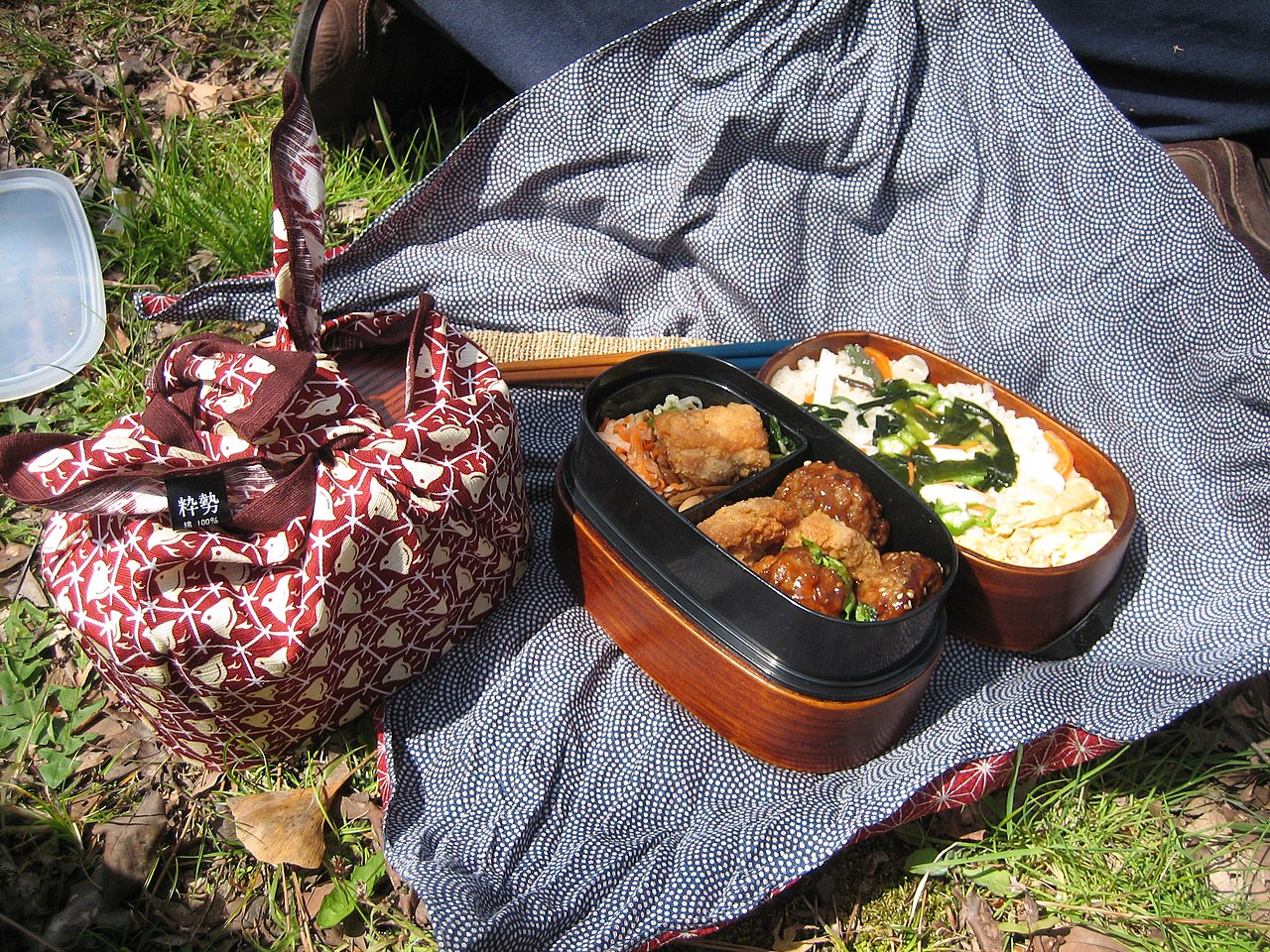
Japanese Bento: The Art and History of Boxed Meals
In Japan, lunch is rarely just a meal; it is a presentation. Open a typical Japanese lunch box, and you are greeted with a mosaic of colors, textures, and flavors, meticulously arranged to please the eye as much as the palate. This is the Bento (弁当)—a culinary tradition that transcends the concept of a simple packed lunch to become a symbol of Japanese culture, aesthetics, and hospitality.
From the high-speed Shinkansen tracks to the chaos of a kindergarten classroom, the bento box is ubiquitous. But how did this tradition begin, and what makes it such a vital part of the Japanese experience?
Origins: From Dried Rice to Lacquerware
The etymology of the word “bento” is believed to originate from the Southern Song Dynasty slang term biandang (meaning “convenient”), which was later imported to Japan. However, the concept of the portable meal predates the word itself by centuries.
The history of the bento can be traced back to the late Kamakura Period (1185–1333), where travelers and warriors carried hoshi-ii (dried meals). This was cooked rice that had been dried and could be eaten as is or rehydrated with water. It was strictly utilitarian—fuel for the road.
By the Azuchi-Momoyama Period (1568–1600), the bento began its transformation from survival ration to cultural artifact. Wooden lacquer boxes emerged, and bento became a common sight at hanami (flower viewing) parties and tea ceremonies. The Edo Period (1603–1867) further refined the culture with the introduction of the makunouchi bento. Served during intermission at Noh and Kabuki theater performances (behind the curtain, or maku), these boxes featured small, bite-sized rice balls sprinkled with sesame seeds and an assortment of side dishes, setting the standard for the balanced meals we see today.
The Legend of Portable Sustenance
While the bento box itself is a product of medieval evolution, the spiritual roots of portable sustenance in Japan are often linked to ancient legends found in the country’s oldest historical chronicles.
In the Nihon Shoki (The Chronicles of Japan) and the Kojiki (Records of Ancient Matters), there are references to provisions carried by the legendary figure Yamato Takeru. During his eastern expeditions to quell rebellions, Takeru is said to have carried a sack of kare-ii (dried boiled rice). In one famous account, arguably the mythological precursor to the modern Ekiben (station bento), Takeru sat down to eat his dried rice near Mount Fuji, sharing his provisions with an old man who, in turn, guided him on his journey.
These ancient texts highlight a fundamental Japanese value that persists in bento culture today: food is not just nutrition; it is a companion on a journey, a source of strength, and a medium for connection between people.
Modern Culture: Kyaraben and Ekiben
Today, bento culture has bifurcated into two fascinating modern phenomena: the Ekiben and the Kyaraben.
The Traveler’s Delight: Ekiben
Ekiben (station bento) are specific to train stations. Japan’s railway network is famous for its efficiency, but for foodies, the real draw is the regional cuisine sold on the platforms. A traveler passing through Sendai can pick up a heated beef tongue bento, while someone in Hokkaido might enjoy a box filled with fresh crab and ikura (salmon roe). It allows travelers to taste the local specialty without ever leaving the station.
The Cute Factor: Kyaraben
On the domestic front, the rise of Kyaraben (Character Bento) has turned lunch-making into a competitive art form. Japanese mothers often sculpt rice into shapes of anime characters like Pikachu or Totoro, using nori (seaweed) for outlines and vegetables for color. While undeniably cute, this trend represents a deeper cultural expectation of aijo (love) expressed through labor-intensive food preparation.
Traveler’s Tips: How to Bento Like a Local
If you are visiting Japan, engaging with bento culture is mandatory. Here is how to do it right:
- Hit the Depachika: The best place to find high-end bentos is not a restaurant, but the basement floor of a Department Store (Depachika). Go just before closing time (around 7:00 PM) to catch significant discounts.
- Look for Balance: A traditional bento follows the rule of five colors (red, yellow, green, white, black) to ensure nutritional balance. If a box looks vibrant, it is likely healthy.
- Etiquette: If you buy a bento at a convenience store (Konbini), they will ask if you want it heated. However, remember that eating while walking is generally frowned upon in Japan. Eat your bento on the Shinkansen, a park bench, or back at your hotel.
- Save the Box: Many high-end bentos come in beautiful containers. While most are plastic, some Ekiben come in ceramic pots or reusable lacquer-style boxes that make excellent souvenirs.
Sources & Further Reading
For those interested in the deep historical context of Japanese food provisions and travel:
- The Kojiki (Records of Ancient Matters): Look for translations by Basil Hall Chamberlain or Donald L. Philippi for references to ancient travel and food customs.
- The Nihon Shoki (The Chronicles of Japan): Offers historical accounts of Yamato Takeru and early logistical practices.
- Ekiben: The Art of the Japanese Box Lunch: Various contemporary guidebooks detail the regional varieties of station lunches available today.