
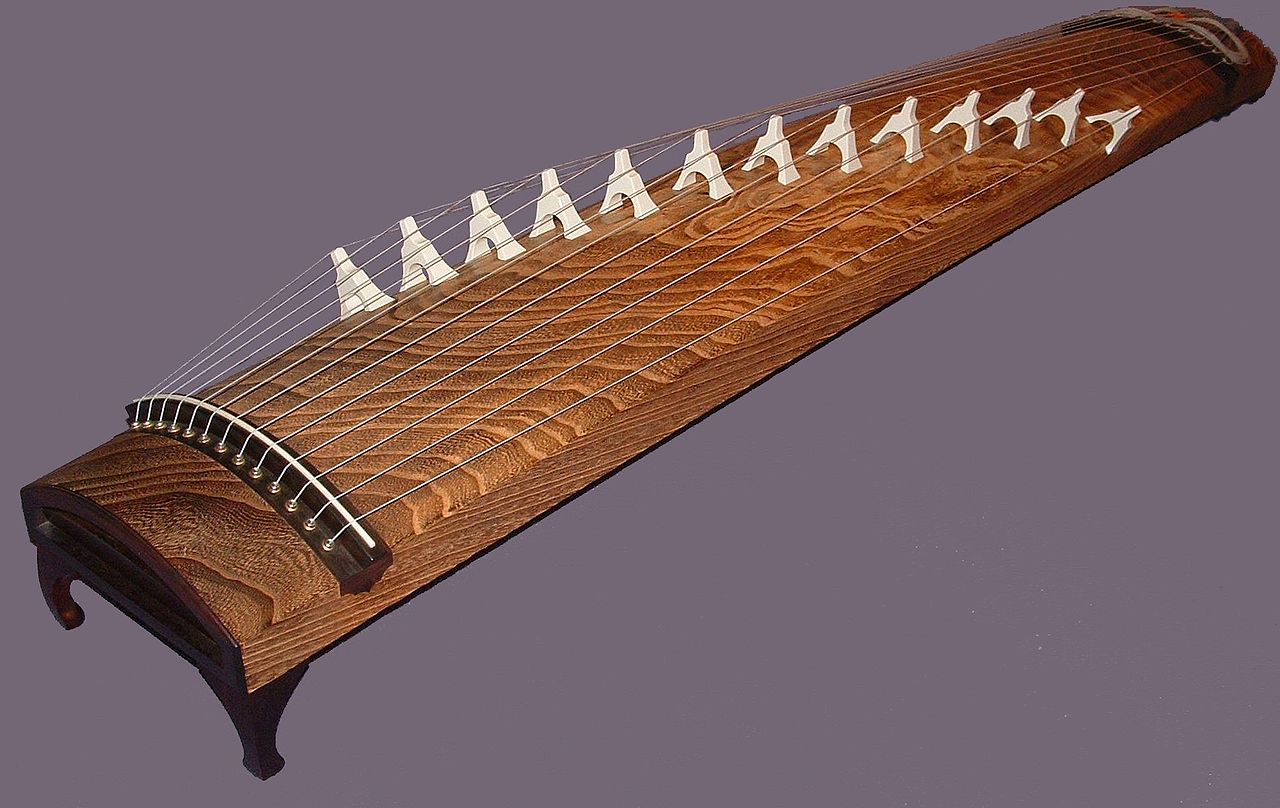
The Japanese Koto: Soul of Traditional Music & Culture
If you have ever walked through the preserved historic districts of Kyoto or dined in a high-end ryokan (traditional inn), you have likely heard a sound that seems to ripple through the air like water over stones. That is the sound of the Koto (琴). Often described as the Japanese harp, this thirteen-stringed zither is more than just a musical instrument; it is the auditory soul of Japan, embodying the aesthetic concepts of wabi-sabi (impermanence) and miyabi (elegance).
As Japan’s designated national instrument, the Koto has a history that stretches back over a millennium. For cultural travelers, understanding the Koto offers a deeper appreciation of Japanese heritage, bridging the gap between the ancient imperial courts and the modern streets of Tokyo.
Origins: From China to the Imperial Court
The history of the Koto begins not in Japan, but on the Asian mainland. The instrument is derived from the Chinese zheng (or guzheng), which was introduced to Japan during the Nara period (710–794 AD). Initially, it was exclusively played within the ensemble of Gagaku (imperial court music), the oldest diverse musical tradition in the world still being performed today.
For centuries, the Koto remained a privilege of the aristocracy. However, during the Edo period (1603–1867), a blind musician named Yatsuhashi Kengyo revolutionized the instrument. He is often called the “Father of Modern Koto.” Yatsuhashi learned the exclusive court songs, adapted them, and composed new solo pieces for the common people. He created the standard tuning used today and established the Koto as a solo instrument capable of conveying profound emotion, independent of an orchestra.
The Legend of the Dragon
One of the most fascinating aspects of the Koto is its physical design, which is steeped in mythology. The physical structure of the instrument is fashioned to resemble a crouching dragon, a creature revered in Japanese folklore as a water deity and protector.
When a musician sits to play, they are interacting with the anatomy of this mythical beast. The parts of the instrument are named accordingly:
- Ryuko (Dragon’s Back): The top soundboard where the strings are stretched.
- Ryuto (Dragon’s Head): The right end of the instrument where the strings are tightened.
- Ryubi (Dragon’s Tail): The left end of the instrument.
The bridges that hold up the strings, known as ji, were traditionally made of ivory or plastic today. While playing, the musician plucks the strings near the “head” with plectrums (picks) worn on the fingers of the right hand, while the left hand presses down on the strings on the “tail” side to bend notes, creating the Koto’s signature oscillating sound.
The Koto in Modern Culture
While deeply rooted in the past, the Koto is not a relic gathering dust in a museum. It has evolved dynamically in the 20th and 21st centuries. In the early 1900s, composer Miyagi Michio introduced Western elements to Koto music, inventing the 17-string bass Koto to add depth to orchestral arrangements.
Today, the instrument appears in surprising places. You can hear it in J-Pop arrangements, jazz fusion bands, and movie soundtracks. The instrument saw a massive resurgence in popularity among younger generations due to the hit manga and anime series Kono Oto Tomare! (Stop This Sound!), which dramatizes the intense competition and camaraderie of a high school Koto club.
This blend of ancient tradition and pop culture ensures that the sound of the dragon continues to roar—or rather, whisper elegantly—into the future.
Traveler’s Tips: Experiencing the Koto
For travelers visiting Japan, seeing a live Koto performance is a must-do activity. Here is how you can experience it:
- Gion Corner (Kyoto): Located in the heart of the Geisha district, Gion Corner offers a one-hour show introducing seven traditional performing arts, including a Koto performance by Maiko (apprentice geisha).
- Temple Concerts: During spring (cherry blossom season) and autumn (foliage season), many temples in Kyoto and Kamakura host evening illumination events that feature live Koto performances in the gardens.
- Hands-on Workshops: Don’t just listen—play! Several cultural centers in Tokyo and Kyoto offer “Intro to Koto” classes for tourists. You will learn how to wear the tsume (finger picks) and play a simple song like “Sakura Sakura” in under an hour.
- Tea Ceremonies: High-end tea houses often feature live background music. Ask your concierge if they can recommend a tea house with live Sokyoku (koto music).
Sources & Further Reading
- The Tale of Genji (Genji Monogatari): Written by Murasaki Shikibu in the early 11th century, this classic text frequently references the Koto as a symbol of refinement and romance among the court nobility.
- Nihon Shoki (The Chronicles of Japan): While primarily a historical record, it provides context on the importation of culture and instruments from the mainland during the early imperial eras.
- The History of Japanese Traditional Music by The Japan Arts Council.