
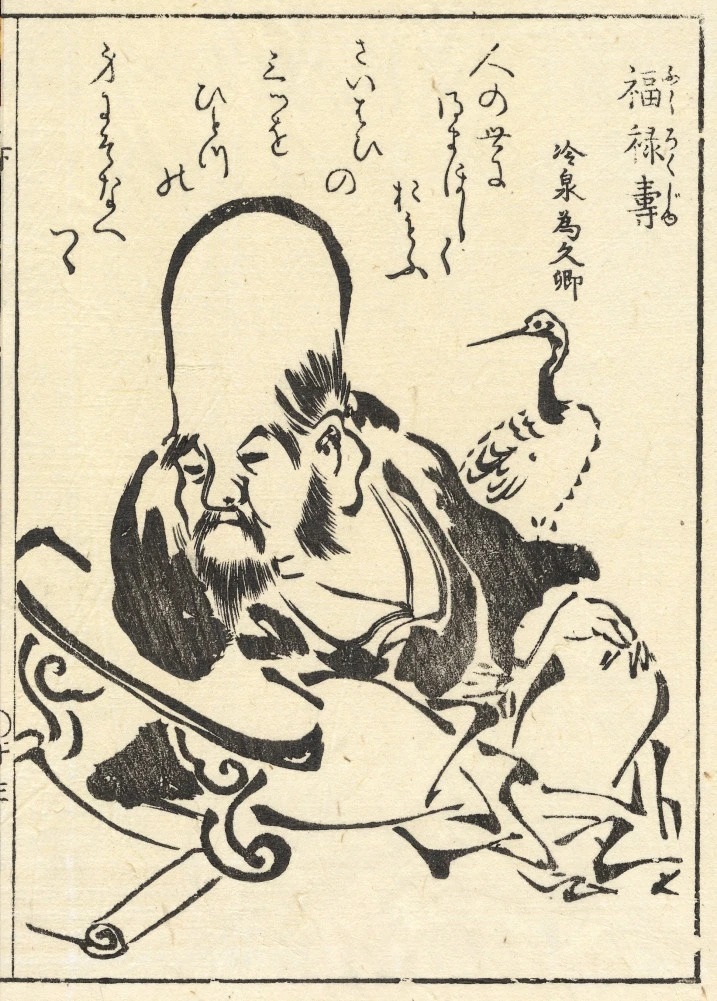
Fukurokuju’s Staff: Unlocking the Symbols of Japanese Mythology
When exploring the vibrant spiritual landscape of Japan, travelers will inevitably encounter the Seven Lucky Gods (Shichifukujin). Among this eclectic group of deities, one figure stands out due to his unusually elongated forehead and benevolent smile: Fukurokuju. While his physical appearance is distinct, it is the gnarled, rough-hewn staff he clutches—the Tsue—that tells the true story of his power.
Far from being a mere walking stick, the Staff of Fukurokuju is a profound symbol of wisdom, longevity, and the support required to navigate the journey of life. For culture enthusiasts and travelers alike, understanding this artifact unlocks a deeper appreciation of Japanese folklore and the spiritual wishes enshrined in local temples.
Origins: From Chinese Star God to Japanese Icon
To understand the staff, one must understand the deity holding it. Fukurokuju is unique in the Japanese pantheon because his origins are not native to the archipelago’s Shinto roots. He is derived from Chinese Taoism, specifically as the incarnation of the Southern Polestar.
His name is a compound of three Chinese characters:
- Fuku (福): Happiness and luck.
- Roku (禄): Wealth and status.
- Ju (寿): Longevity.
The staff he carries is an extension of the “Ju” aspect. In Taoist imagery, the staff is traditionally made of peach wood or old gnarled root, materials believed to possess the power to ward off evil spirits and promote health. Unlike the polished scepters of royalty, Fukurokuju’s staff represents the natural, unrefined connection to the earth, symbolizing a wisdom that is grounded and organic rather than manufactured.
The Legend of the Scroll and the Staff
In almost every depiction—whether a stone statue in a Kyoto garden or a woodblock print—Fukurokuju’s staff serves a dual purpose: it supports his aged frame, and it acts as a carrier for a sacred scroll (makimono).
According to legend, the scroll tied to his staff contains one of two things, depending on the interpretation of the myth:
- The Lifespan of All Living Things: It is said that Fukurokuju keeps the records of every human’s lifespan within this scroll. By praying to him, devotees hope he might consult the scroll and perhaps extend their time on earth.
- Universal Wisdom: Other legends suggest the scroll contains all the wisdom of the world. Because Fukurokuju is the only god among the seven capable of reviving the dead (symbolically), the staff and scroll together represent the mastery over life and death through knowledge.
The staff is often depicted alongside a crane or a turtle, two animals that famously symbolize longevity in Japan. The staff connects Fukurokuju to these creatures, acting as a lightning rod for the energy of long life.
Modern Culture and Symbolism
In contemporary Japan, the image of Fukurokuju and his staff remains a potent symbol, particularly around the New Year. He is often confused with Jurojin, another elderly member of the Seven Lucky Gods who also carries a staff. However, art historians and enthusiasts distinguish them by the staff’s accouterments; Fukurokuju is almost always the one with the high forehead, and his staff is the pillar of stability for the group.
You will find the staff depicted in:
- New Year’s Omamori: Charms sold at shrines often feature the staff and gourd to grant the bearer health for the coming year.
- Anime and Manga: In pop culture interpretations of the gods, Fukurokuju is often the strategist or the healer, using his staff to cast magic or support his allies, reflecting his traditional role as a sage.
- Business: The “Roku” (wealth) aspect means his image is often placed in offices, where the staff represents the steady support needed to grow a business over a long time.
Traveler’s Tips: Where to Find Fukurokuju
If you are visiting Japan, searching for the Seven Lucky Gods is a fantastic way to explore local neighborhoods. Here is how to spot the Staff of Fukurokuju:
1. The Yanaka Seven Lucky Gods Pilgrimage (Tokyo)
Available year-round but most popular in early January, this pilgrimage takes you through the historic Yanaka district. The temple dedicated to Fukurokuju here features distinct statues where the staff is prominently displayed.
2. Asakusa Shrine (Tokyo)
Located next to the famous Senso-ji Temple, this shrine honors the Seven Lucky Gods. Look for the wooden carvings; the detail on the staff usually highlights the gnarled wood texture, emphasizing its ancient nature.
3. Souvenir Hunting
When buying Netsuke (miniature carvings) or cast-iron statues, look specifically for the scroll tied to the staff. This ensures you are buying a representation of wisdom and longevity to take home.
Sources & Further Reading
For those wishing to dive deeper into the theology and history of these deities, the following texts and contexts are recommended:
- The Seven Lucky Gods of Japan by Reiko Chiba: A classic overview of the iconography.
- Japanese Mythology Context: While Fukurokuju is of Taoist origin and therefore does not appear in the ancient Kojiki or Nihon Shoki (which chronicle the indigenous Shinto gods like Amaterasu), studying the Nihon Shoki is essential to understand the cultural vacuum that imported deities like Fukurokuju eventually filled during the Muromachi and Edo periods.
- Taoist Texts: Investigations into the Sanxing (Three Star Gods) of China provide the direct lineage for Fukurokuju’s attributes, including the symbolism of the staff.