
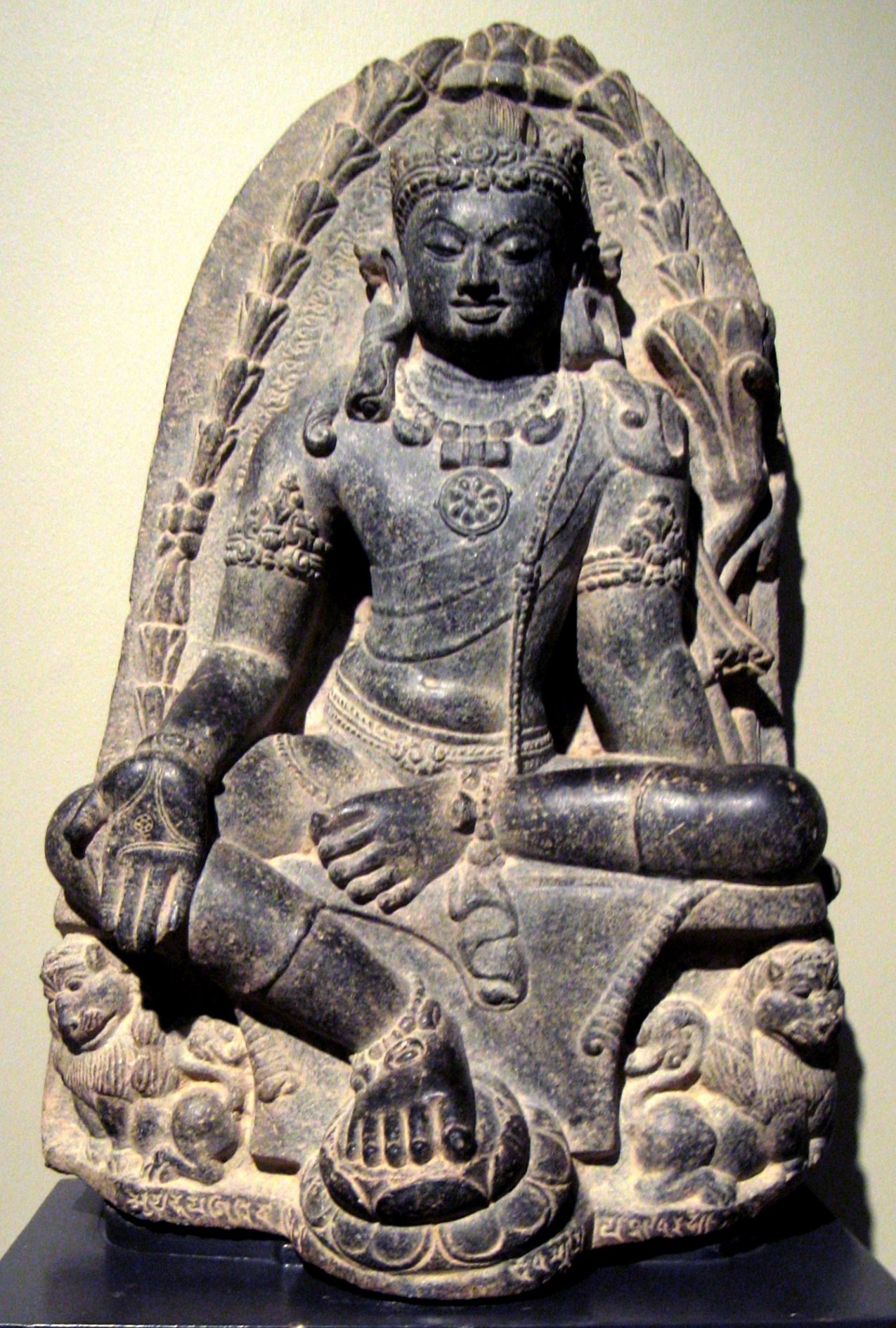
Monju Bosatsu: Unveiling the Legend of Manjusri’s Wisdom
In the rich tapestry of Japanese spiritual culture, there is a saying known by almost everyone: “Sannin yoreba Monju no chie” (三人寄れば文殊の知恵). Roughly translated, it means “If three people gather, they have the wisdom of Manjusri.” While the West might say “two heads are better than one,” the Japanese turn to a specific deity for intellectual guidance: Monju Bosatsu.
As the Bodhisattva of Wisdom, Monju Bosatsu (Manjusri in Sanskrit) is a central figure in Japanese Buddhism. Whether you are a traveler seeking spiritual sites or a culture enthusiast fascinated by Eastern philosophy, understanding Monju offers a profound glimpse into the Japanese value placed on intellect and clarity.
The Origins of the Wise One
Monju Bosatsu is the Japanese incarnation of Manjusri, one of the oldest and most significant bodhisattvas in Mahayana Buddhism. Originating in India, his name translates to “Gentle Glory” or “Sweet Splendor.”
Historically, Manjusri represents the wisdom (prajna) that realizes the emptiness of all phenomena, a core concept in Buddhist enlightenment. He was introduced to Japan as early as the Nara period (710–794 AD), brought over by monks returning from China who had studied the great scriptures.
Iconography and Symbolism
In Japanese art and sculpture, Monju is easily identifiable. He is typically depicted:
- Riding a Shishi (Lion): The lion symbolizes the wild, untamed mind, which wisdom alone can tame and ride serenely. It also represents the powerful voice of the Buddhist law.
- Wielding a Sword: In his right hand, he holds a flaming sword. This is not a weapon of violence, but of intellect, used to cut through ignorance and delusion.
- Holding a Scroll: In his left hand, he often carries a sutra scroll (usually the Prajnaparamita Sutra), symbolizing learning and the containment of all knowledge.
The Legend of Monju in Japan
While Monju appears in numerous sutras, his legend in Japan is tied closely to specific geographic locations and historical figures. One famous legend involves the monk Gyoki, a celebrated figure from the Nara period. It is said that Gyoki, who traveled Japan building bridges and temples, was considered a manifestation of Monju Bosatsu himself due to his immense compassion and wisdom in engineering and social welfare.
Another prevalent belief is that Monju resides in the “Pure Land of the East.” In Japan, this manifested in the creation of the “Three Famous Monju Temples” (Nihon San Monju). These sites are believed to be power spots where the deity’s energy is strongest, granting clarity to those who visit.
Modern Culture: The Patron Saint of Students
In contemporary Japan, the reverence for Monju Bosatsu has taken on a very practical application: academic success. Just as Tenjin is the Shinto god of scholarship, Monju is his Buddhist counterpart.
During January and February, famously known as “exam season” in Japan, temples dedicated to Monju are flooded with students and their anxious parents. They purchase omamori (amulets) specifically designed to boost memory and focus. Pencils inscribed with prayers to Monju are common gifts for students about to take university entrance exams.
Furthermore, the proverb mentioned in the introduction remains a staple in corporate and social settings, encouraging collaboration and brainstorming over solitary problem-solving.
Traveler’s Tips: Seeking Wisdom
If you wish to pay respects to Monju Bosatsu, there are specific destinations you should include in your itinerary. Here are the top recommendations for travelers:
1. Amanohashidate (Kyoto Prefecture)
Located in the northern part of Kyoto Prefecture, Chion-ji Temple is one of the most famous Monju temples. It sits next to the famous sandbar of Amanohashidate, one of Japan’s “Three Scenic Views.” The “Wisdom Cake” (chigo-mochi) sold here is said to bring intelligence to those who eat it.
2. Abe-no-Monju-in (Nara Prefecture)
This is one of Japan’s oldest temples, founded in 645 AD. It houses a magnificent statue of Monju riding a lion, sculpted by the famous artist Kaikei. It is a National Treasure and a must-see for art lovers.
3. Temple Etiquette
- Purify: Wash your hands at the chozuya before entering.
- Smoke: If there is an incense burner, wave the smoke toward your head. It is believed to make you smarter and heal ailments.
- Quiet Contemplation: Unlike the busy streets of Tokyo, these temples are places of quiet reflection. Take a moment to breathe and seek your own clarity.
Sources & Further Reading
For those interested in delving deeper into the history of Buddhism in Japan and the integration of deities like Monju, the following texts and resources are recommended:
- The Vimalakirti Sutra: A key Mahayana text featuring a famous debate between the layman Vimalakirti and Manjusri.
- Nihon Shoki (The Chronicles of Japan): While primarily a Shinto text and historical record, it details the arrival of Buddhism in Japan and the subsequent cultural shifts during the 6th and 7th centuries.
- The Tale of Heike: Medieval literature that occasionally references the spiritual landscape of the time, including the worship of Bodhisattvas.
- Lotus Sutra: One of the most influential scriptures in East Asia, often featuring Manjusri.