
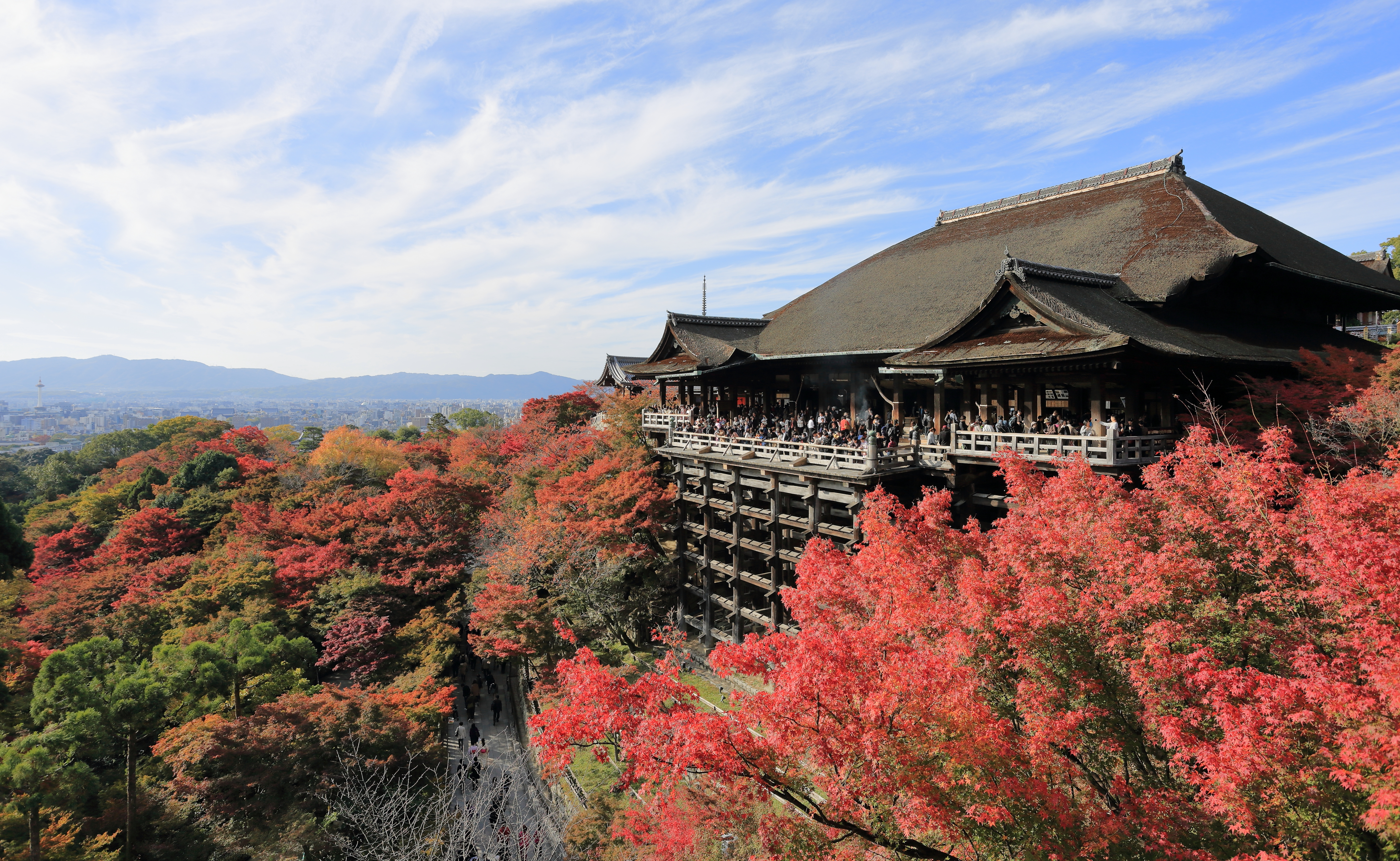
The Stage of Kiyomizu-dera: Kyoto’s Architectural Marvel
Perched halfway up Mt. Otowa in eastern Kyoto stands one of the most recognizable silhouettes in Japan: the massive wooden veranda of Kiyomizu-dera. Known simply as “The Stage” (Butai), this architectural wonder offers not only panoramic views of the city below but also a deep dive into Japanese history, religious devotion, and linguistic culture. For travelers, stepping onto these ancient floorboards is a rite of passage, connecting them with over a millennium of pilgrims who have sought solace and spectacle at this sacred site.
Origins: A Masterpiece of Japanese Joinery
Kiyomizu-dera was founded in 778 AD, predating Kyoto’s status as the capital. However, the current Main Hall (Hondo) and its famous stage were reconstructed in 1633 under the order of Tokugawa Iemitsu. Despite being a “newer” reconstruction by Japanese historical standards, it remains a marvel of traditional engineering.
The Kakezukuri Style
The most astonishing fact about the stage is its construction method, known as Kakezukuri (hanging construction). The massive structure juts out over a steep hillside, supported by 139 massive pillars made of Zelkova wood. Some of these pillars stand over 12 meters (40 feet) tall.
Remarkably, the entire lattice structure was built without the use of a single nail. Instead, ancient Japanese carpenters utilized complex interlocking joints. The weight of the crowds and the structure itself actually tightens these joints, making the stage incredibly resilient against earthquakes—a testament to the ingenuity of Edo-period craftsmanship.
The Legend: Taking the Plunge
While the view is serene today, the stage holds a darker, more adrenaline-fueled history. During the Edo period, a superstition took hold among the populace: if one were to jump from the 13-meter high stage and survive, their wish would be granted. This act was an extreme demonstration of devotion to Kannon, the deity of mercy enshrined within the main hall.
The Survival Rate
Historical records from the temple indicate that during the Edo period, 234 people actually attempted this terrifying leap. Shockingly, the survival rate was approximately 85%. The lush vegetation and soft soil below likely broke their falls, though injuries were undoubtedly common. This dangerous practice was officially banned by the Meiji government in 1872, and fences were erected to prevent further attempts.
Modern Culture: Idioms and Icons
The legacy of those daring jumpers lives on in the Japanese language. The phrase “Kiyomizu no butai kara tobioriru” (to jump off the stage of Kiyomizu) is a common idiom used today. It denotes making a bold decision or taking a massive leap of faith, such as buying an expensive home, quitting a job to start a business, or proposing marriage. It signifies a point of no return where one commits fully to a course of action.
Kanji of the Year
In contemporary culture, the stage serves another significant role. Every December, the abbot of Kiyomizu-dera stands upon the stage to perform the “Kanji of the Year” ceremony. Using a massive calligraphy brush, he writes a single Chinese character (Kanji) that best summarizes the national mood or major events of the past year. This image is broadcast across Japan, cementing the stage’s status as a focal point for modern Japanese society.
Traveler’s Tips for the Perfect Visit
Visiting Kiyomizu-dera is a highlight of any Kyoto itinerary, but the crowds can be overwhelming. Here is how to make the most of your visit to the stage.
- Timing is Everything: The temple opens at 6:00 AM. Arriving right at opening offers a rare chance to experience the stage in tranquility, accompanied only by the sound of chanting monks and birdsong.
- Seasonal Spectacles: The view from the stage transforms with the seasons. Late March to early April brings clouds of cherry blossoms (Sakura) that look like pink mist below your feet. Late November offers a fiery sea of red and orange maple leaves (Momiji). During these peak times, the temple often holds special night illuminations.
- The Best Photo Angle: While standing on the stage offers a view of the city, the best photo of the stage is taken from the Okunoin Hall, located just a short walk further along the path. This vantage point captures the wooden pillars, the sloping roof, and the city backdrop in one frame.
- Ongoing Renovations: While the major renovation of the roof was completed in 2020, always check the official temple website for minor maintenance schedules to ensure your view is unobstructed.
Sources & Further Reading
For those interested in the deeper historical and spiritual context of Japanese temples and folklore, the following texts and records provide essential background:
- The History of Kiyomizu-dera: Consult the Kiyomizu-dera Engi Emaki (Scrolls of the Origin of Kiyomizu-dera) for the foundational myths involving the monk Enchin.
- Ancient Chronicles: While Kiyomizu-dera was established slightly after the compilation of the Kojiki (712) and Nihon Shoki (720), these imperial chronicles provide the necessary context for understanding the religious landscape of the Nara and early Heian periods that gave birth to such temples.
- Tales of the Bizarre: For more on the folklore of the era, the Konjaku Monogatarishu (Anthology of Tales from the Past) contains various setswas (anecdotes) related to Kyoto’s temples and the miraculous powers attributed to Kannon.