
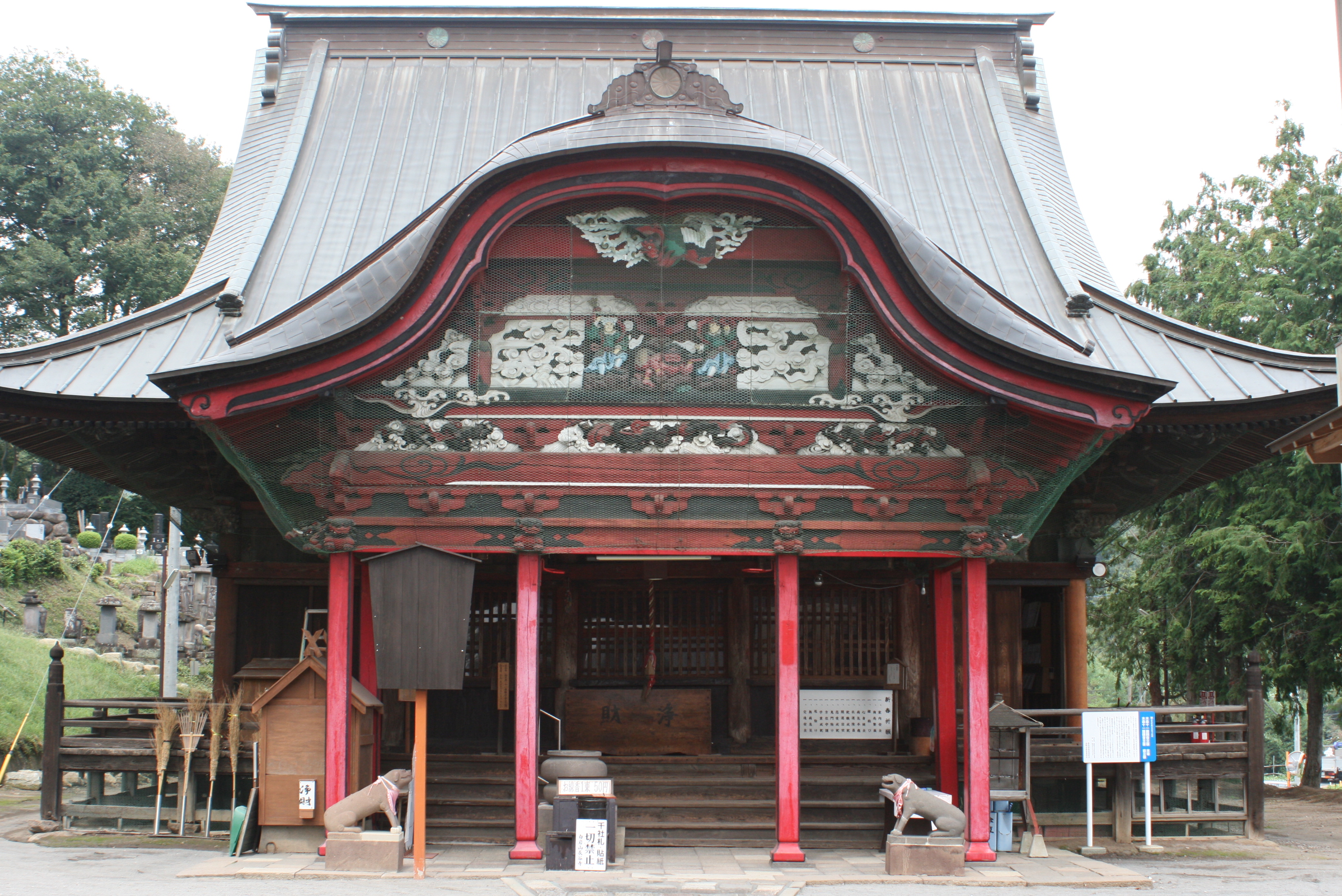
The Eleven-Faced Kannon of Hasedera: A Tale of Two Statues
Among the myriad deities worshipped across Japan, few command the immediate awe and reverence of the Eleven-Faced Kannon (Juichimen Kannon) of Hasedera. Whether you are standing in the verdant hills of Kamakura or the historic mountains of Nara, the Hasedera temples house massive, gilded wooden statues of the Goddess of Mercy that have captivated pilgrims for over a millennium.
More than just artistic masterpieces, these statues represent a deep spiritual lineage connecting the ocean, the forest, and the human desire for salvation. This article explores the mystical origins, the enduring legends, and the modern cultural significance of the Hasedera Kannon.
Origins: The Bodhisattva of Mercy
The deity enshrined at Hasedera is Avalokiteshvara, known in Japan as Kannon Bosatsu. Specifically, this manifestation is the Eleven-Faced Kannon. In Buddhist iconography, the main face looks out with compassion, while the ten smaller faces atop the head allow the deity to see in all directions, ensuring that no cry for help goes unheard.
The Hasedera Kannon is unique because it often holds a monk’s staff (shakujo) in the right hand and a water vase in the left. This specific iconography distinguishes the “Hasedera-style” Kannon. The staff symbolizes the deity’s vow to travel through the realms of existence to save suffering souls, a tool usually associated with Jizo Bosatsu. This dual nature makes the Hasedera Kannon a particularly powerful figure of salvation in Japanese Buddhism, bridging the gap between distinct theological roles during the Nara period (710–794 AD).
The Legend of the Driftwood
The most captivating aspect of the Hasedera Kannon is the legend of its creation, a story deeply embedded in Japanese folklore.
According to temple records and tales found in collections like the Konjaku Monogatarishu, the story began in 721 AD. A pious monk named Tokudo Shonin discovered a colossal camphor tree floating in the forests of the Hase region in Nara. Recognizing the spiritual potential of the ancient wood, he commissioned two massive statues of the Eleven-Faced Kannon to be carved from the single trunk.
The bottom half of the trunk was used to carve the statue enshrined in Nara’s Hasedera, which became the head temple. The statue carved from the upper half, however, was thrown into the sea. The monks prayed that it would drift across the ocean and wash ashore at a location with a karmic connection to the Kannon, where it could save the people.
Legend states that fifteen years later, in 736 AD, the statue washed ashore on Nagai Beach on the Miura Peninsula, glowing with an ethereal light. It was brought to Kamakura, and the Hasedera temple was established to house this miraculous arrival. Today, the Kamakura statue stands at 9.18 meters (30.1 feet) tall, making it one of the largest wooden Kannon statues in Japan.
Modern Culture and Significance
In contemporary Japan, the Hasedera Kannon remains a focal point of worship and cultural tourism. The temples in both Nara and Kamakura are not merely museums for these statues; they are active spiritual centers.
The Hydrangea Path
Hasedera in Kamakura is affectionately known as the “Hydrangea Temple” (Ajisai-dera). Every June, thousands of visitors flock to the temple not just for the Kannon, but to walk the scenic path blooming with blue, purple, and pink hydrangeas. This botanical beauty is seen as an offering to the compassionate gaze of the Kannon.
Mizuko Kuyo
The temples are also centers for Mizuko Kuyo, a memorial service for unborn children. The compassionate nature of the Kannon, combined with the presence of thousands of small Jizo statues on the temple grounds, provides a space for grief and healing for modern families.
National Treasures
The Kannon statues are designated Important Cultural Properties. They represent the pinnacle of Yosegi-zukuri (joined-block wood construction) and are covered in gold leaf, creating a luminous atmosphere inside the dimly lit main halls that leaves visitors silent with wonder.
Traveler’s Tips
If you are planning to visit the Kannon of Hasedera, keep these tips in mind to maximize your experience:
Visiting Kamakura Hasedera
- No Photography: Photography is strictly prohibited inside the Kannon-do (Main Hall) where the statue stands. This rule is enforced to maintain the sanctity of the space.
- Best Views: After paying respects to the Kannon, head to the observation deck for a panoramic view of Sagami Bay. It connects the visual of the ocean to the legend of the drifting statue.
- Timing: To avoid the massive crowds during Hydrangea season (June), try visiting on a weekday morning immediately upon opening (usually 8:00 AM).
Visiting Nara Hasedera
- The Corridor: The approach to the main hall involves a long, covered wooden staircase known as the Noboriruka. It is a meditative climb that prepares the mind for viewing the statue.
- Special Viewing: Twice a year, the temple allows visitors to touch the feet of the Kannon statue, a ritual believed to grant a direct karmic bond with the deity. Check the official temple schedule for these special entry dates.
Sources & Further Reading
For those interested in the historical and literary context of Hasedera and the Kannon cult in Japan, the following texts are recommended:
- Konjaku Monogatarishu (Anthology of Tales from the Past): Contains specific folktales regarding the miraculous origins of the Hasedera Kannon and the drift of the sacred wood.
- The Tale of Genji (Genji Monogatari): Written by Murasaki Shikibu, this classic text features characters undertaking pilgrimages to Hasedera (Nara), highlighting its aristocratic importance in the Heian period.
- Nihon Shoki (The Chronicles of Japan): While it predates the specific founding of Kamakura’s Hasedera, it provides essential context for the introduction of Buddhism and the establishment of the Yamato imperial court’s religious practices.