
Kencho-ji Temple: The Essence of Kamakura Zen
In the ancient capital of Kamakura, nestled within a valley surrounded by cedar-covered hills, lies a place where time seems to slow down. Kencho-ji (建長寺) is not merely a tourist destination; it is the oldest Zen training monastery in Japan and the first of the prestigious “Five Great Zen Temples” of Kamakura. For travelers seeking the intersection of samurai history, architectural grandeur, and spiritual silence, Kencho-ji offers a profound journey into the heart of Japanese culture.
Origins: The Birth of Japanese Zen
To understand Kencho-ji is to understand the shift in Japanese power and spirituality during the 13th century. Founded in 1253 during the Kencho era—from which the temple takes its name—it was established by Hojo Tokiyori, the Regent of the Kamakura Shogunate.
Before this period, Buddhism in Japan was largely dominated by the esoteric sects of Kyoto, which focused on elaborate rituals and aristocracy. However, the warrior class (samurai) in Kamakura found a kindred spirit in Zen Buddhism, which emphasized discipline, meditation, and direct experience.
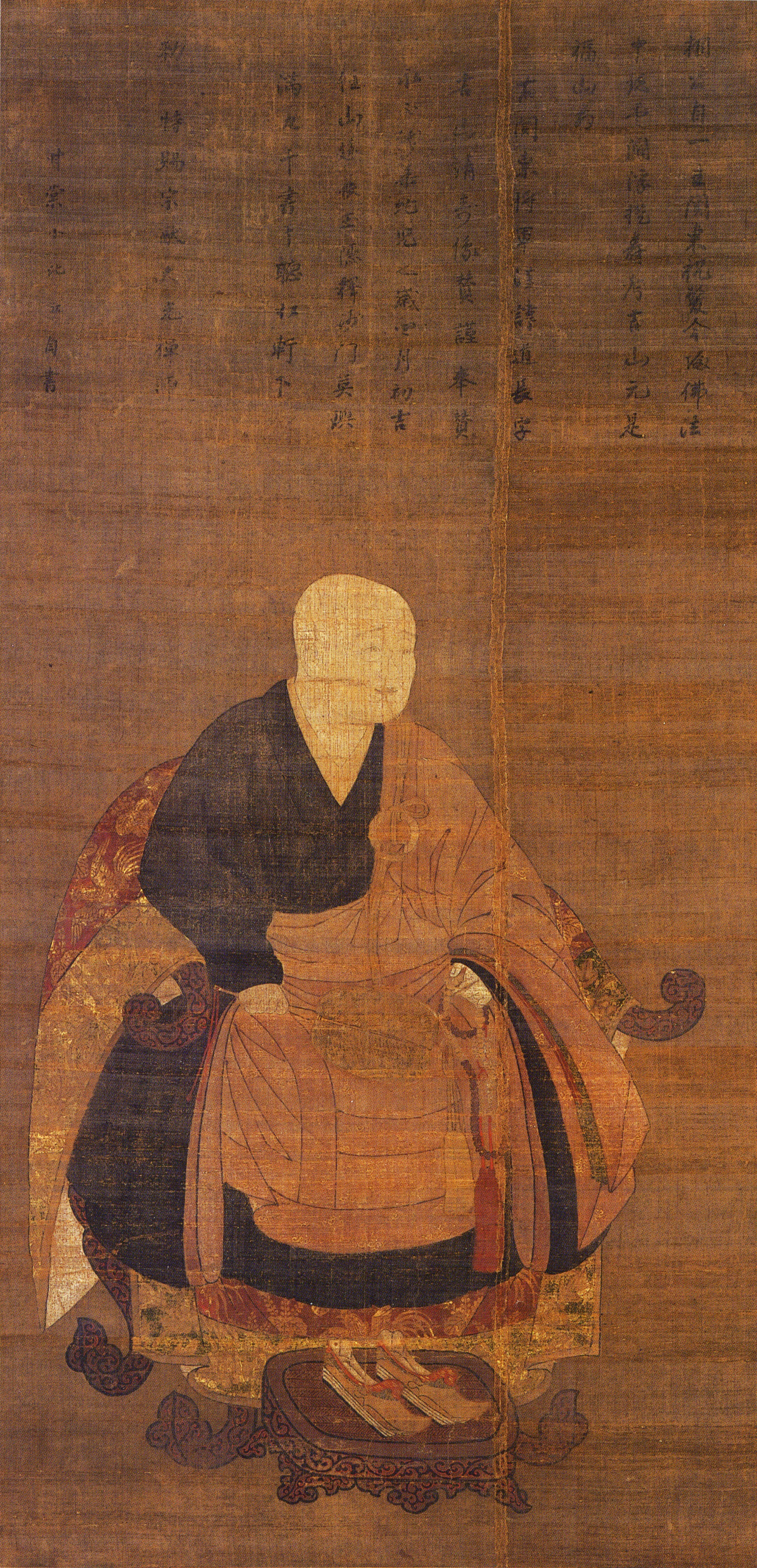
Tokiyori invited the Chinese Zen master Rankei Doryu (Lanxi Daolong) to Japan to serve as the founding abbot. The temple was built in the pure Chinese Song Dynasty style, strictly arranging the main buildings in a straight line—a layout that symbolizes the orderly nature of the Zen mind. Upon its completion, it became a center not just for religion, but for the importation of Chinese culture, language, and philosophy, fundamentally shaping the samurai code of Bushido.
The Legend: The Badger and the Sanmon Gate
Every great temple in Japan has its folklore, and Kencho-ji is no exception. While the temple is renowned for its solemnity, it is also associated with a charming legend regarding its massive main gate, the Sanmon.
According to local folklore, the temple was once home to a tanuki (Japanese raccoon dog), a shapeshifting creature often found in Japanese mythology. This particular tanuki had lived on the grounds for centuries and had acquired a pious spirit. When the founding priest needed to raise funds to complete the magnificent Sanmon gate, he struggled to find enough donors.
Seeing the priest’s distress, the tanuki transformed himself into a human monk. He traveled through the surrounding villages, chanting sutras and begging for alms with such purity and dedication that the locals were moved to donate generously. Thanks to the shapeshifter’s efforts, the funds were raised, and the gate was completed. To this day, the Sanmon is sometimes affectionately referred to as the “Tanuki-mon,” a testament to the idea that the Buddha-nature exists in all creatures.
Modern Culture and Architecture
Today, Kencho-ji remains an active monastery where monks undergo rigorous training. However, it is also a space of breathtaking art and nature that welcomes the public.
The Dragon Ceiling
One of the most striking features of the modern temple complex is found in the Hatto (Dharma Hall). Visitors looking up are greeted by the painting of a massive dragon, known as the Unryu-zu (Cloud Dragon), on the ceiling. Painted by the artist Koizumi Junsaku in honor of the temple’s 750th anniversary, the dragon glares down with fierce intensity, symbolizing the protection of the Buddhist law.
The Juniper Trees
Lining the path from the Sanmon gate to the Buddha Hall are ancient juniper trees. These gnarled, twisted trees are said to have been planted by the founding master, Rankei Doryu, over 760 years ago. They serve as living witnesses to the history of the temple, surviving fires and wars, embodying the Zen resilience of standing firm despite the passage of time.
Traveler’s Tips
Visiting Kencho-ji requires a blend of physical activity and mindful observation. Here is how to make the most of your visit:
- Walk the Hansobo Trail: Do not stop at the main hall. Walk to the back of the temple grounds and climb the stairs to the Hansobo Shrine. The path is lined with statues of Tengu (long-nosed goblins). From the top, on a clear day, you can see Mount Fuji in the distance.
- Try Zazen: Kencho-ji offers public Zazen (seated meditation) sessions. These are often conducted in Japanese, but the experience of sitting in silence in such a historic hall transcends language barriers. Check the official schedule before visiting.
- Shoe Etiquette: Like most temples in Japan, you will need to remove your shoes to enter the wooden halls. Wear slip-on shoes and bring a clean pair of socks, especially in colder months.
- Best Time to Visit: Mid-November to early December offers spectacular autumn foliage, contrasting beautifully with the somber wood of the temple structures.
Sources & Further Reading
For those interested in diving deeper into the historical and spiritual context of Kencho-ji and Japanese mythology, the following texts are recommended:
- The Azuma Kagami (Mirror of the East): A historical chronicle of the Kamakura Shogunate that details the political climate leading to the founding of temples like Kencho-ji.
- The Nihon Shoki (Chronicles of Japan): While older than Kencho-ji, this classical text (along with the Kojiki) provides the foundational mythology of Japan, including the origins of creatures like the Tanuki and Tengu featured in the temple’s lore.
- Zen and Japanese Culture by D.T. Suzuki: An essential read for understanding how the Zen practiced at Kencho-ji influenced Japanese art, tea ceremony, and swordsmanship.