
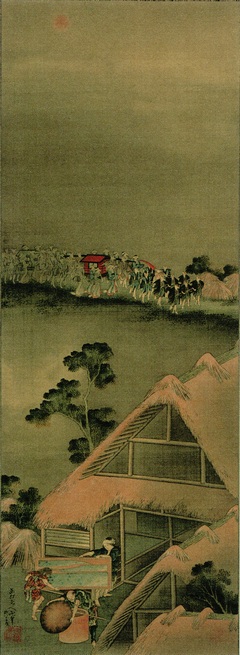
The Mystery of Kitsune no Yomeiri: Lights of the Fox Wedding
Japan is a land where the line between the spiritual and the physical often blurs, especially when twilight descends upon the ancient mountains. Among the myriad tales of yokai (spirits) and folklore, few are as hauntingly beautiful as the legend of the Kitsune no Yomeiri, or the “Fox’s Wedding.” While the term often refers to sunshowers, it is also deeply connected to a mysterious atmospheric phenomenon: the ghostly procession of lights seen floating in the darkness of the countryside.
The Origins of the Phantom Lights
To understand the Kitsune no Yomeiri, one must first understand the creature at its heart: the kitsune (fox). In Japanese folklore and Shinto belief, foxes are intelligent, magical beings and the messengers of Inari, the deity of rice and agriculture. They possess the ability to shapeshift, create illusions, and generate kitsunebi (fox fire).
Historically, before electricity illuminated the Japanese night, villagers would often spot lines of flickering lights moving silently across distant mountains or through marshes. Unlike the erratic movement of fireflies, these lights moved in a rhythmic, organized procession. Lacking a scientific explanation for these will-o’-the-wisps or atmospheric ghost lights, the locals attributed them to the supernatural. They believed these were the paper lanterns of a fox wedding procession, marching through the night to deliver a bride to her groom.
The Legend: A Wedding in the Shadows
The legend varies from region to region, but the core imagery remains consistent. It is said that foxes mimic human wedding ceremonies, which, in the Edo period, involved a solemn procession at night where the bride was escorted to the groom’s house by lantern light.
In the folklore, the foxes use their magic to create these lantern fires. However, these weddings are strictly forbidden for human eyes. It is believed that if a human wanders too close or witnesses the procession, they might be bewitched or spirited away. To ensure their privacy, foxes are said to summon strange weather phenomena. This is why a sunshower—rain falling while the sun is still shining—is also called Kitsune no Yomeiri. The rain serves as a magical barrier, warning humans to stay indoors while the spirits conduct their sacred rites.
One poignant variation of the tale suggests that the lights are not just for celebration but are an illusion cast to trick travelers, leading them astray into deep forests or mud paddies, only for the victim to wake up the next morning confused and lost.
Modern Culture: From Fear to Festival
In contemporary Japan, the fear of being tricked by foxes has largely faded, replaced by a cultural appreciation for this romantic and mysterious aesthetic. The imagery of the Fox Wedding has permeated anime, manga, and literature. Perhaps the most famous visual representation is in Akira Kurosawa’s film Dreams, which depicts a young boy witnessing the forbidden slow-motion dance of the foxes in a misty forest.
Today, the legend is kept alive through vibrant festivals. The eerie silence of the legendary procession has been replaced by music, dance, and celebration. Communities use these events to honor Inari and preserve local heritage, transforming a once-feared supernatural event into a major tourist attraction.
Traveler’s Tips: witnessing the Procession
If you want to experience the magic of the Kitsune no Yomeiri yourself, you won’t need to chase ghost lights in a swamp. Instead, plan your trip around these spectacular cultural reenactments:
1. The Fox Wedding Festival (Aga Town, Niigata)
Taking place every May on the banks of the Agano River, this is perhaps the most famous reenactment. As night falls, a bride and groom (chosen from the public) parade through the streets accompanied by 108 attendants in fox makeup. The procession ends at the shrine, and the mountain behind is lit up with torches to mimic the ancient kitsunebi.
2. Inaho Matsuri (Kudamatsu, Yamaguchi)
Held in November, this festival features a “White Fox” wedding procession. It is a chaotic and lively event where the “fox couple” is blessed for a happy marriage, making it a popular destination for real-life couples seeking good fortune.
3. Visit Fushimi Inari Taisha (Kyoto)
While they do not host a specific “wedding” festival, walking through the thousands of vermilion torii gates at twilight offers the perfect atmosphere to imagine the fox spirits watching from the shadows.
Etiquette Note: If you attend these festivals, respect the performers and the local shrines. While it is a celebration, it is rooted in deep spiritual beliefs.
Sources & Further Reading
For those interested in diving deeper into the lore of Japanese spirits and foxes, the following texts and locations provide excellent context:
- Nihon Shoki (The Chronicles of Japan): Contains early references to the spiritual significance of animals and nature deities.
- Konjaku Monogatarishu: A collection of tales from the late Heian period that includes various stories about foxes and their shapeshifting abilities.
- Gazu Hyakki Yagyo (The Illustrated Night Parade of a Hundred Demons): Toriyama Sekien’s famous 18th-century bestiary, which visually catalogues many yokai, including depictions of kitsune magic.
- The Yanagita Kunio Guide to the Japanese Folk Tale: Essential reading for understanding the anthropological roots of these legends.