
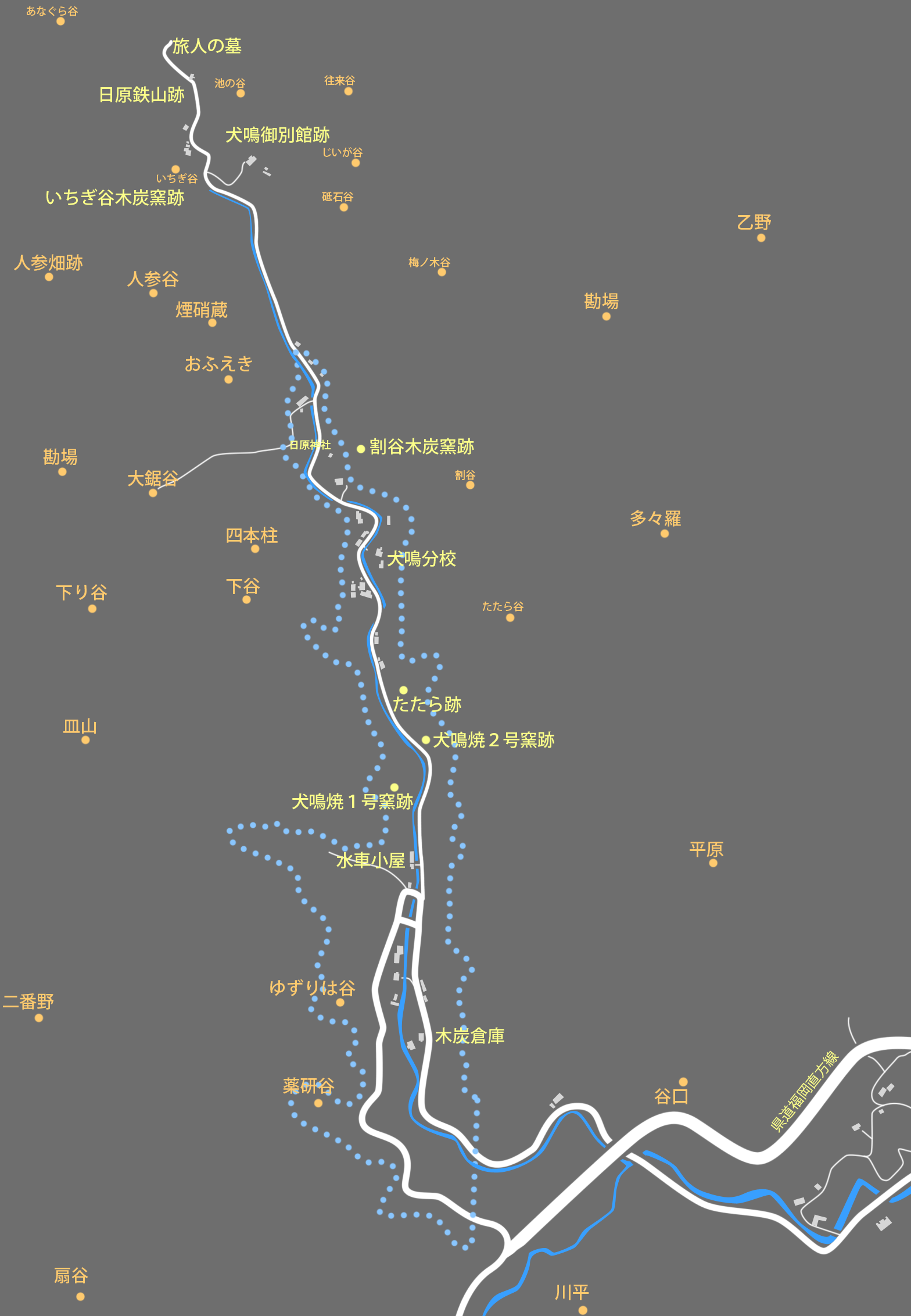
The Mystery of the Map of Inunaki Village
Japan is globally renowned for its bustling metropolises, serene temples, and deep respect for law and order. However, hidden within the creases of Fukuoka Prefecture lies a subject that chills the spine of even the most seasoned urban explorers: Inunaki Village. Often referred to as the “Howling Village,” this location is the subject of Japan’s most enduring and terrifying urban legend.
According to internet lore, there exists a map—or a gap in the map—leading to a settlement where the Japanese Constitution does not apply, and where outsiders are never seen again. But where does folklore end and reality begin? In this deep dive, we unfold the map of Inunaki Village to separate historical fact from the terrifying fiction that has captivated the world.
Origins: The Lost Geography
To understand the map of Inunaki Village, one must first look at the actual geography of the region. Historically, a settlement named Inunaki (犬鳴) actually existed. Founded during the Edo period, specifically around 1691, the village was located in the mountains of the Kurate District in Fukuoka. It was a small community supported by the production of local goods and forestry.
However, the “lost” nature of the village is rooted in bureaucratic changes rather than supernatural curses. In 1889, the administrative village of Inunaki was merged into the larger Yoshikawa Village. Later, much of the original valley was designated for the construction of the Inunaki Dam. Today, the physical location of the original settlement lies submerged beneath the waters of the dam lake or buried under deep vegetation. The disconnect between the old maps and the modern landscape created a fertile ground for rumors to take root. When people looked for Inunaki on modern maps and found nothing but deep forests and a reservoir, the legend of a “hidden” village began to grow.
The Legend: A Lawless Zone
The modern urban legend of Inunaki Village gained massive traction in the late 1990s and early 2000s, largely fueled by Japanese internet forums like 2channel. The lore describes a specific route off the main road, leading to the Old Inunaki Tunnel.
According to the story, a daring explorer who follows the old map will encounter a handwritten sign at the village entrance declaring: “The Japanese Constitution and Laws Do Not Apply Here.”
The legend paints a gruesome picture of the inhabitants. They are rumored to be incestuous, cannibalistic, and extremely hostile to outsiders. Stories claim that electronic devices stop working upon entry and that the village is a “lawless zone” completely cut off from the modern world. The focal point of this terror is the Old Inunaki Tunnel, a narrow, graffiti-covered passage that is said to be a spiritual gateway to this cursed land. Many claim to hear voices, screams, and the howling of dogs (referencing the name Inu-naki, or “Dog Cry”) emanating from the dark dampness of the tunnel.
Modern Culture: From Forums to the Big Screen
The cultural impact of Inunaki Village cannot be overstated. It has transcended simple campfire stories to become a staple of J-Horror. The legend was immortalized and dramatized in the 2019 horror movie Howling Village (Inunaki Mura), directed by Takashi Shimizu, the mastermind behind The Grudge (Ju-On).
The film visualized the terrifying “map” that leads to the village, cementing the location’s status as a pilgrimage site for horror enthusiasts. Video games, manga, and countless YouTube documentaries have tried to trace the route, turning the Old Inunaki Tunnel into one of Japan’s most famous “shinrei spots” (ghost spots). This pop culture fame has kept the legend alive, blurring the lines between the historical village that was peacefully annexed and the nightmare version created by the collective imagination of the internet.
Traveler’s Tips: Warning and Reality
If you are a traveler intrigued by the dark side of Japanese culture, you might be tempted to find the map of Inunaki Village yourself. However, extreme caution and respect for the law are advised.
- The Tunnel is Blocked: The Old Inunaki Tunnel is physically blocked with large concrete blocks to prevent entry. It is structurally unsound and dangerous.
- Legal Consequences: The area surrounding the old tunnel and the dam is not a lawless zone; strictly speaking, it is private property or government-restricted land. Trespassing can lead to fines and arrest. Police patrol the area frequently due to the high volume of “courage test” (kimodameshi) seekers.
- Wildlife: The real danger in the Inunaki valley is not ghosts, but nature. The area is inhabited by wild boars and Japanese giant hornets (suzumebachi), which pose a genuine threat to hikers.
- Visit the Dam Instead: For a safe experience, you can visit the Inunaki Dam observation points. You can enjoy the scenery and the atmosphere without breaking the law or risking your safety.
Sources & Further Reading
While Inunaki Village is a modern urban legend, the concept of “hidden villages” (kakure-zato) and boundaries to the other world has deep roots in Japanese folklore.
- Nihon Shoki (Chronicles of Japan): Ancient texts often describe the concept of Yomi (the land of the dead) existing on the borders of the living world, a thematic precursor to the “lawless” boundary of Inunaki.
- Local Records of Miyawaka City: For those interested in the factual history of the region, local municipal records detail the construction of the dam and the history of the actual Inunaki settlement prior to its annexation.
The map of Inunaki Village leads not to a land of monsters, but to a fascinating intersection of history, internet culture, and the human fear of the unknown.