
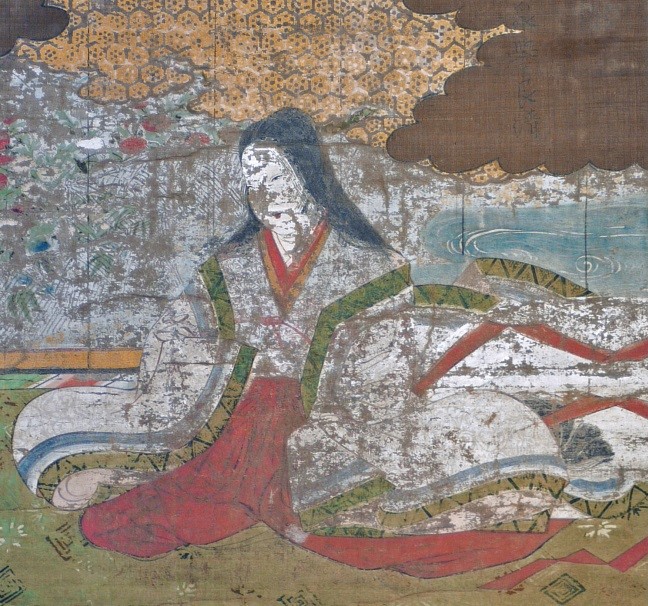
Tachibana Ginchiyo: The Lightning Princess of Sengoku Japan
When travelers imagine the Samurai of Japan’s tumultuous Sengoku (Warring States) period, they often picture bearded men in heavy armor like Oda Nobunaga or Tokugawa Ieyasu. However, history hides gems of female fortitude that are just as compelling. Among them stands Tachibana Ginchiyo (1569–1602), a woman who did not merely support her clan from the shadows but stood at its helm. Known as the “Lightning Princess,” her legacy attracts history buffs and culture seekers to the waterways of Yanagawa in Fukuoka Prefecture.
Origins: The Daughter of Lightning
Ginchiyo was born into chaos. Her father was the legendary Tachibana Dōsetsu, a feared warrior said to have cut a lightning bolt in half with his sword. Dōsetsu had no surviving sons, a precarious situation for a samurai lord. In a move that defied the patriarchal norms of the era, he named Ginchiyo his heir.
At the tender age of six, Ginchiyo was formally appointed the head of the Tachibana clan. This was not a ceremonial title; the retainers were sworn to follow her commands. Raised in the martial tradition, she was trained in naginata (polearm) and sword fighting, embodying the spirit of her “Lightning God” father. Eventually, she married Tachibana Muneshige, a formidable warrior adopted into the family to continue the male line, yet Ginchiyo never relinquished her fierce independence or her authority within the household.
Legend: The Musketeers and the Warlord
While historical records confirm her status, folklore paints the most vivid picture of her character. The most enduring legend involves Toyotomi Hideyoshi, the Great Unifier of Japan.
The Nuns of War
After Hideyoshi conquered Kyushu, rumor has it he sought to visit Ginchiyo, perhaps with amorous intent or simply to intimidate the famous female leader. Ginchiyo, anticipating trouble, organized a unit of her ladies-in-waiting. She armed them not with fans, but with muskets and swords, and dressed them in armor. When Hideyoshi arrived and saw this formidable guard of warrior women surrounding Ginchiyo, he was reportedly so intimidated—or perhaps impressed—that he treated her with the utmost respect and departed without incident.
The Battle of Sekigahara
During the decisive Battle of Sekigahara in 1600, while her husband was away fighting, Ginchiyo took up arms to defend their home base. It is said she donned armor and led the rearguard defense during the clan’s retreat, ensuring their survival against the encroaching forces of the Tokugawa. Her bravery during these twilight years of the Sengoku period cemented her status as a Onna-musha (female warrior).
Modern Culture: From Chronicles to Consoles
Today, Tachibana Ginchiyo has transcended historical texts to become a pop culture icon.
She is a fan-favorite character in the Samurai Warriors (Sengoku Musou) video game series and the action RPG Nioh, where she is depicted wielding lightning powers—a homage to her father’s legend. These portrayals have introduced a global audience to her story, framing her as a symbol of female empowerment and martial skill.
In Japan, she is celebrated in local festivals. The Tachibana Dōsetsu & Ginchiyo Festival in Fukuoka honors her spirit, featuring parades of participants dressed in period armor, keeping the memory of the Tachibana clan alive.
Traveler’s Tips: Visiting Ginchiyo’s Yanagawa
If you want to walk in the footsteps of the Lightning Princess, you must head to Yanagawa in Fukuoka Prefecture, often called the “Venice of Japan” for its extensive canal system.
Where to Go
- Tachibana Garden (Tachibana-tei Ohana): This is the former residence of the Tachibana lords. It features a stunning Western-style house and a traditional Japanese garden (Shoto-en) surrounded by pine trees.
- Tachibana Family Museum: Located within the Ohana complex, this museum houses authentic artifacts, including armor, swords, and tea utensils passed down through the generations. You can see items that reflect the era in which Ginchiyo lived.
- Canal Boat Tours: No trip to Yanagawa is complete without a donko-bune (punt boat) ride. As the boatman sings traditional songs, you can imagine the castle town as it looked 400 years ago.
What to Eat
Yanagawa is famous for Unagi no Seiromushi (steamed eel over rice). It is a savory, stamina-boosting dish that samurai of the past might have appreciated before a campaign.
Sources & Further Reading
To deepen your understanding of Japanese history and the context of the Tachibana clan, consider exploring the following:
- Clan Records: The Tachibana-ke Fu (Genealogy of the Tachibana Family) serves as a primary historical record for the lineage.
- Historical Context: While ancient texts like the Kojiki and Nihon Shoki establish the mythological foundation of Japan and the Shinto gods Ginchiyo would have worshipped, her specific exploits are recorded in Edo-period military chronicles known as Gunki Monogatari.
- Local History: The Yanagawa City Archives provide detailed accounts of the clan’s governance in Kyushu.