
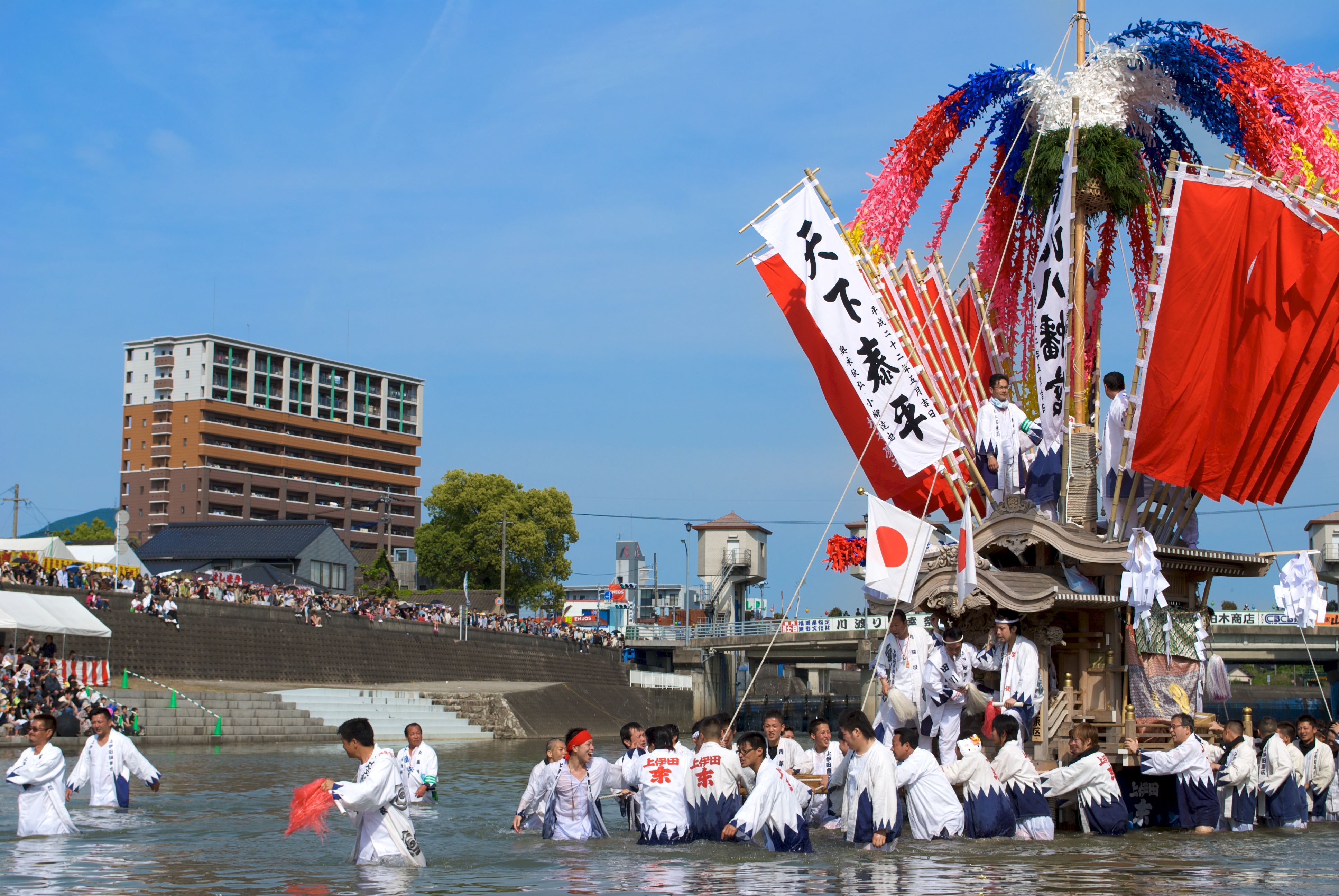
Unveiling the Magic of Japan’s River Festivals (Kawa Matsuri)
Summer in Japan is a sensory experience defined by the buzz of cicadas, the humidity of the afternoon, and the cooling relief of the evening breeze. Central to this seasonal rhythm is the Kawa Matsuri (River Festival). These celebrations, held on the banks of rivers across the archipelago, are far more than mere recreational gatherings; they are a profound intersection of Shinto spirituality, community bonding, and the breathtaking aesthetics of Japanese culture. From the thunderous roar of fireworks to the silent drift of paper lanterns, river festivals encapsulate the Japanese soul.
The Spiritual Origins of the River
To understand the Kawa Matsuri, one must first understand the role of water in the Japanese psyche. In ancient Japan, rivers were viewed as boundaries—liminal spaces separating the world of the living from the world of the spirits. They were also seen as the ultimate source of purification.
This belief stems from the Shinto practice of Misogi, a ritual washing of the body to cleanse oneself of kegare (impurity or spiritual pollution). Historically, river festivals were not originally about entertainment; they were rites of appeasement. Villagers would gather at the water’s edge to pray for protection against floods, water-borne diseases, and agricultural droughts. Over centuries, these solemn rituals evolved into the vibrant, community-centric festivals seen today, retaining their spiritual core while embracing celebration.
Legend: The Birth of Gods from Water
The sanctity of the river is deeply embedded in Japanese mythology. According to the ancient chronicles, the act of washing in a river is responsible for the creation of some of Japan’s most important deities.
As recorded in the Kojiki (Records of Ancient Matters), the creator deity Izanagi-no-Mikoto fled from the Underworld (Yomi) and, feeling polluted by death, bathed in a river to purify himself. It is said that as he washed his left eye, Amaterasu (the Sun Goddess) was born; from his right eye came Tsukuyomi (the Moon God); and from his nose came Susanoo (the Storm God).
This myth underscores why river festivals often involve the floating of shrines (mikoshi) into the water or the releasing of lanterns. The water is not just a backdrop; it is a sacred medium that connects the human realm with the divine, capable of birthing gods and washing away sins.
Modern Culture: Fireworks and Floating Lanterns
Today, the Kawa Matsuri is a staple of the Japanese summer, often coinciding with the Obon season—a time when ancestral spirits return to visit the living. The modern iteration of these festivals usually features two distinct elements: Hanabi (fireworks) and Toro Nagashi (floating lanterns).
The Spectacle of Hanabi
The most famous example is likely the Sumida River Fireworks Festival in Tokyo. Historically, this event began in the Edo period as a way to comfort the spirits of those who died from famine and plague, and to ward off evil entities. Today, it is a dazzling display of pyrotechnics where rival guilds compete to create the most spectacular bursts in the sky, reflecting brilliantly off the water below.
The Silence of Toro Nagashi
In contrast to the noise of fireworks, many river festivals conclude with Toro Nagashi. Participants write messages to their ancestors or prayers for peace on paper lanterns, light a candle inside, and set them afloat on the river. As thousands of lights drift downstream toward the ocean, the river transforms into a glowing Milky Way, symbolizing the spirits’ safe return to the other world. It is a moment of quiet reflection amidst the summer heat.
Traveler’s Tips for Kawa Matsuri
Attending a river festival can be the highlight of a trip to Japan, but it requires some planning.
- Dress the Part: Locals will often wear Yukata (light cotton kimonos) and Geta (wooden sandals). Renting a yukata for the evening will help you feel immersed in the culture.
- Arrive Early: Popular festivals, like those in Tokyo or Kyoto, draw millions of visitors. To secure a viewing spot on the riverbank, you often need to arrive hours in advance with a picnic tarp (blue sheet).
- Bring Cash: The riverbanks will be lined with Yatai (food stalls) selling yakisoba, takoyaki, and shaved ice. Most of these vendors do not accept credit cards.
- Respect the Rituals: If you participate in a lantern floating ceremony, remember that for many locals, this is a moment of grief and remembrance. Maintain a respectful demeanor during these quiet segments of the festival.
Sources & Further Reading
For those interested in the deep historical and mythological roots of Japanese river worship and festivals, the following texts are essential:
- The Kojiki (Records of Ancient Matters): Translated by Basil Hall Chamberlain or Donald L. Philippi. This text details the creation myths involving Izanagi and the river purification rites.
- The Nihon Shoki (The Chronicles of Japan): Translated by W.G. Aston. This offers a more historical, though still mythological, account of early Japanese rituals and imperial lineage connected to water deities.
- Shinto: The Kami Way by Sokyo Ono: A comprehensive guide to understanding the concepts of Misogi and nature worship in Shinto practice.