
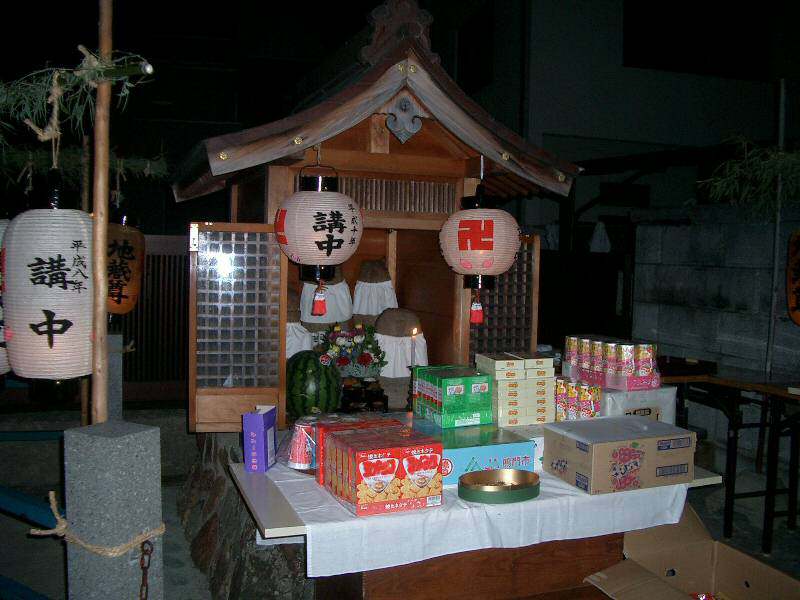
Jizo-bon: Celebrating the Guardian of Children in Japan
As the intense humidity of the Japanese summer begins to wane in late August, the ancient streets of Kyoto transform into intimate scenes of community and spiritual reverence. While the famous Gion Festival and the fiery Daimonji Okuribi dominate the headlines, there is a quieter, more heartwarming festival that captures the soul of Japan’s neighborhoods: Jizo-bon.
Held typically on August 23rd and 24th, this festival honors Jizo Bodhisattva, one of Japan’s most beloved deities. Unlike the grand spectacles meant for tourists, Jizo-bon is a local affair, centered on the well-being of children and the bonds of the community. For travelers seeking the “real” Japan, understanding this festival opens a window into the country’s tender spiritual landscape.
Origins: The Roots of the Festival
Jizo-bon is uniquely prevalent in the Kinki region (Kyoto, Osaka, Shiga) and is distinct from the broader Obon festival, which honors ancestral spirits earlier in the month. The festival is dedicated to Jizo Bosatsu (Ksitigarbha in Sanskrit), a Bodhisattva known for deferring his own enlightenment to save all sentient beings.
Historically, Jizo worship gained immense popularity during the Heian period, but the specific community festival of Jizo-bon solidified during the Muromachi period. It was born out of the neighborhood associations, or chonaikai, where locals maintained roadside shrines. While Obon is a household-level event for ancestors, Jizo-bon is a community-level event specifically for the protection of the living children in that block.
The timing is significant. It falls on the eve of Jizo’s memorial day. In the traditional lunar calendar, the 24th of every month is associated with Jizo, but the August date (traditionally the 7th month of the lunar calendar) is considered the “Grand Jizo-bon.”
The Legend of Jizo and the Riverbed
To understand the emotional weight of this festival, one must understand the legend of Sai no Kawara (The Riverbank of Sai). In Japanese Buddhist folklore, children who die before their parents are unable to cross the Sanzu River into the afterlife because they have not accumulated enough good deeds and have caused their parents sorrow.
According to the legend, these children remain in a limbo on the desolate riverbank, endlessly piling stones into small towers to make merit for their parents. However, demons constantly knock these towers down, tormenting the souls. This is where Jizo Bosatsu intervenes. He is said to walk the riverbank, hiding the children in his great robes to protect them from the demons, acting as their surrogate parent and savior.
This poignant story is why you will see Jizo statues across Japan adorned with red bibs and caps. Red is believed to ward off evil and illness, and parents often dress the statues in the clothes of their children (or toys) to pray for their health or to mourn a lost little one.
Modern Culture: How Jizo-bon is Celebrated Today
In modern Kyoto, walking through residential neighborhoods during Jizo-bon feels like stumbling upon a private block party. The stone Jizo statues, often found on street corners, are scrubbed clean and repainted. Locals build temporary altars adorned with red and white lanterns bearing the names of children in the neighborhood.
The atmosphere is joyous rather than somber. The focus is entirely on the children, who are considered “children of Jizo” during the festival.
The Ritual of Juzu-Mawashi
A central ritual in many districts is the Juzu-mawashi (Rosary Passing). A priest leads the children and adults in chanting sutras while they sit in a circle. They pass a giant prayer bead rosary (often several meters long) from hand to hand. The large beads produce a rhythmic clacking sound, believed to drive away misfortune and bless the children with good health for the coming year.
Following the prayers, the event turns into a party. Children are given sweets, play games like distinct “goldfish scooping,” and enjoy fireworks. It creates a nostalgic memory that many Japanese adults cherish from their youth.
Traveler’s Tips for Observing Jizo-bon
Because Jizo-bon is a hyper-local event funded by neighbors for their specific block, it is not a tourist attraction in the conventional sense. However, respectful observation is welcomed.
- Where to Look: The best place to witness Jizo-bon is in the older residential districts of Kyoto, particularly within the grid streets of the Nakagyo and Kamigyo wards. Look for red lanterns strung up in front of houses or small garage spaces converted into temporary shrines.
- Etiquette: Do not enter the prayer circle or take food/sweets meant for the children unless invited. Photography is usually okay from a distance, but always ask for permission before photographing children or private altars.
- Timing: The evenings of August 23rd and 24th are the most active. The soft glow of the lanterns against the twilight creates a magical atmosphere perfect for a quiet evening stroll.
Sources & Further Reading
For those interested in the deep theological and historical underpinnings of these traditions, the following texts offer profound insight:
- The Ksitigarbha Bodhisattva Purvapranidhana Sutra: The primary Buddhist text detailing the vows of Jizo to save all beings in the hell realms.
- Japanese Folk Tales: Various compilations detail the Sai no Kawara legend, which, while not found in the Kojiki or Nihon Shoki (which focus on Shinto creation myths), represents the syncretism of Buddhism and Japanese folklore.
- Kyoto City Historical Archives: Local records often detail the evolution of the chonaikai (neighborhood associations) that sustain these festivals to this day.