
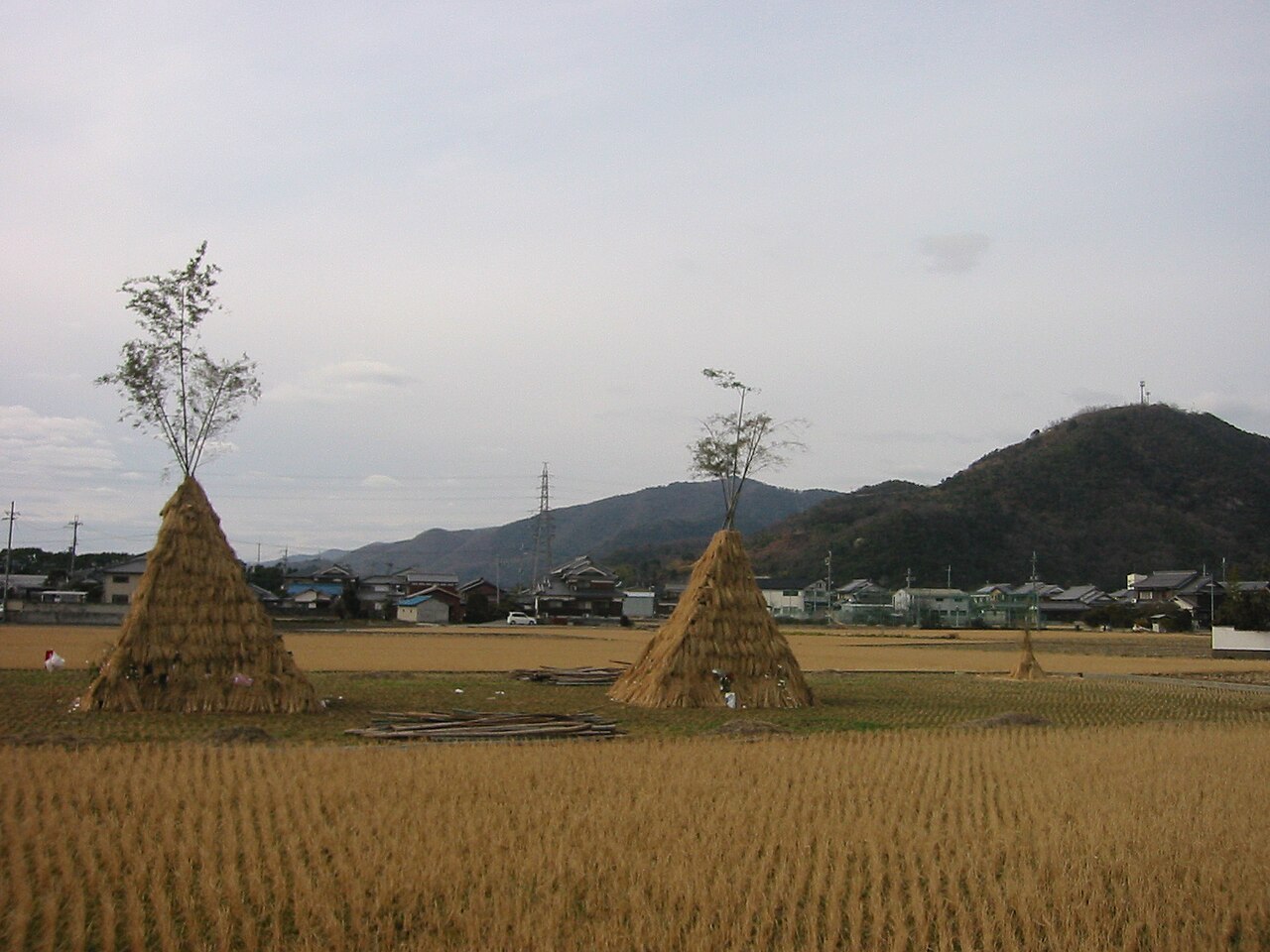
Sagicho: Japan’s Purifying Fire Festival
As the quiet solemnity of the Japanese New Year (Oshogatsu) fades, a vibrant and fiery conclusion awaits across the archipelago. This comes in the form of Sagicho (左義長), a traditional fire festival held typically around January 14th or 15th, marking the event known as Koshogatsu (Little New Year). For travelers seeking to understand the spiritual heartbeat of Japan, witnessing a Sagicho ritual offers a mesmerizing glimpse into how the Japanese people bid farewell to the gods and pray for the year ahead.
Introduction to the Fire Ritual
Sagicho, often referred to regionally as Dondo-yaki, Saito-yaki, or Tondo, is a purification ritual involving the burning of New Year’s decorations. In the weeks prior, Japanese households adorn their entrances with kadomatsu (pine and bamboo arrangements) and shimekazari (sacred straw ropes) to welcome the Toshigami—the Shinto deities of the New Year who bring harvest and happiness.
However, these sacred items cannot simply be thrown in the trash. Instead, communities gather at local shrines, riverbanks, or schoolyards to pile these decorations into high conical towers of green bamboo and straw. The towers are set ablaze in a spectacular bonfire, symbolizing the release of the spirits back to the heavens.
Origins: From Court to Commoners
The roots of Sagicho are deep, intertwining ancient agricultural rites with aristocratic elegance. Historians believe the festival originated in the Heian Period (794–1185) as a court ritual. It was originally called Sagicho (three ball/mallet sticks) because court nobles would burn auspicious wooden mallets used in a game called Gitcho.
Over centuries, the practice filtered down from the Imperial Court to the samurai class and eventually to the common people. While the aristocracy focused on the ritual’s elegance, the agrarian society adapted it to focus on what mattered most to them: fire prevention, health, and a bountiful harvest. The transition from a courtly game to a nationwide spiritual bonfire illustrates the fluidity of Japanese culture, absorbing high culture into folk religion.
Legend and Folklore
The central legend of Sagicho revolves around the Toshigami. It is believed that the smoke rising from the burning decorations serves as a vehicle for the New Year deity to return to the celestial realm. If the smoke rises high and straight, it is considered a good omen for the year.
The Magic of Ash and Mochi
Perhaps the most charming aspect of the folklore involves kakizome (the first calligraphy of the year). Children often burn their calligraphy practice sheets in the Sagicho fire. Legend dictates that if the burning paper flies high into the air on the heat thermals, the child’s handwriting and academic skills will improve drastically in the coming year.
Furthermore, the fire is believed to possess purifying qualities. It is customary to roast mochi (rice cakes) or tangerines on long bamboo poles over the dying embers of the bonfire. Folklore suggests that eating this roasted food protects one from colds and sickness for the entire year. The ash remaining from the fire is also sometimes taken home and scattered around the house to ward off evil spirits.
Modern Culture and Variations
Today, Sagicho is celebrated with varying degrees of intensity across Japan. In rural areas, it remains a solemn community gathering where neighbors huddle against the January chill, watching the flames crackle against a snowy backdrop.
However, some regions have evolved the festival into a massive spectacle. The Omihachiman Sagicho Matsuri in Shiga Prefecture is designated as a National Intangible Folk Cultural Property. Unlike the static bonfires elsewhere, this festival involves energetic parades of massive, colorful floats made of food ingredients (like dried seaweed and beans) which are eventually burned in a dramatic climax. This specific festival is raucous, involving men in makeup and costumes dancing wildly, contrasting with the quiet reverence of the typical shrine bonfire.
Traveler’s Tips for Sagicho
If you are in Japan during mid-January, attending a Sagicho festival is a must. Here is how to navigate the experience:
- Timing: Most festivals occur on January 14th or the morning of the 15th. Check local shrine schedules as dates can vary by region.
- Etiquette: If you have bought a hamaya (demon-breaking arrow) or an omamori (charm) during your trip, do not burn them yourself. Hand them to the shrine priests. Do not throw plastic or non-combustible items into the fire.
- Attire: It is an outdoor winter event involving fire. Wear warm clothes that you don’t mind smelling like smoke. Synthetic fabrics that melt easily should be avoided near the bonfire.
- Participation: Look for stalls selling mochi on bamboo sticks. Roasting and eating the rice cake is a communal activity that welcomes participation from respectful visitors.
Sources & Further Reading
For those interested in the historical depths of Japanese fire rituals, the following texts and concepts provide essential context:
- The Nihon Shoki (Chronicles of Japan): While not describing Sagicho specifically in its modern form, this 8th-century text establishes the foundational Shinto concepts of purification (harae) and the sanctity of fire (hi) used in the festival.
- Makura no Soshi (The Pillow Book): Written by Sei Shonagon in the Heian period, this diary offers glimpses into the court life from which the Sagicho rituals eventually descended.
- Yanagita Kunio: Works by the father of Japanese folklore studies offer detailed anthropological insights into the distinction between Little New Year (agricultural) and Great New Year (ancestral).