
The Rhythm of the Harvest: Unveiling Dengaku
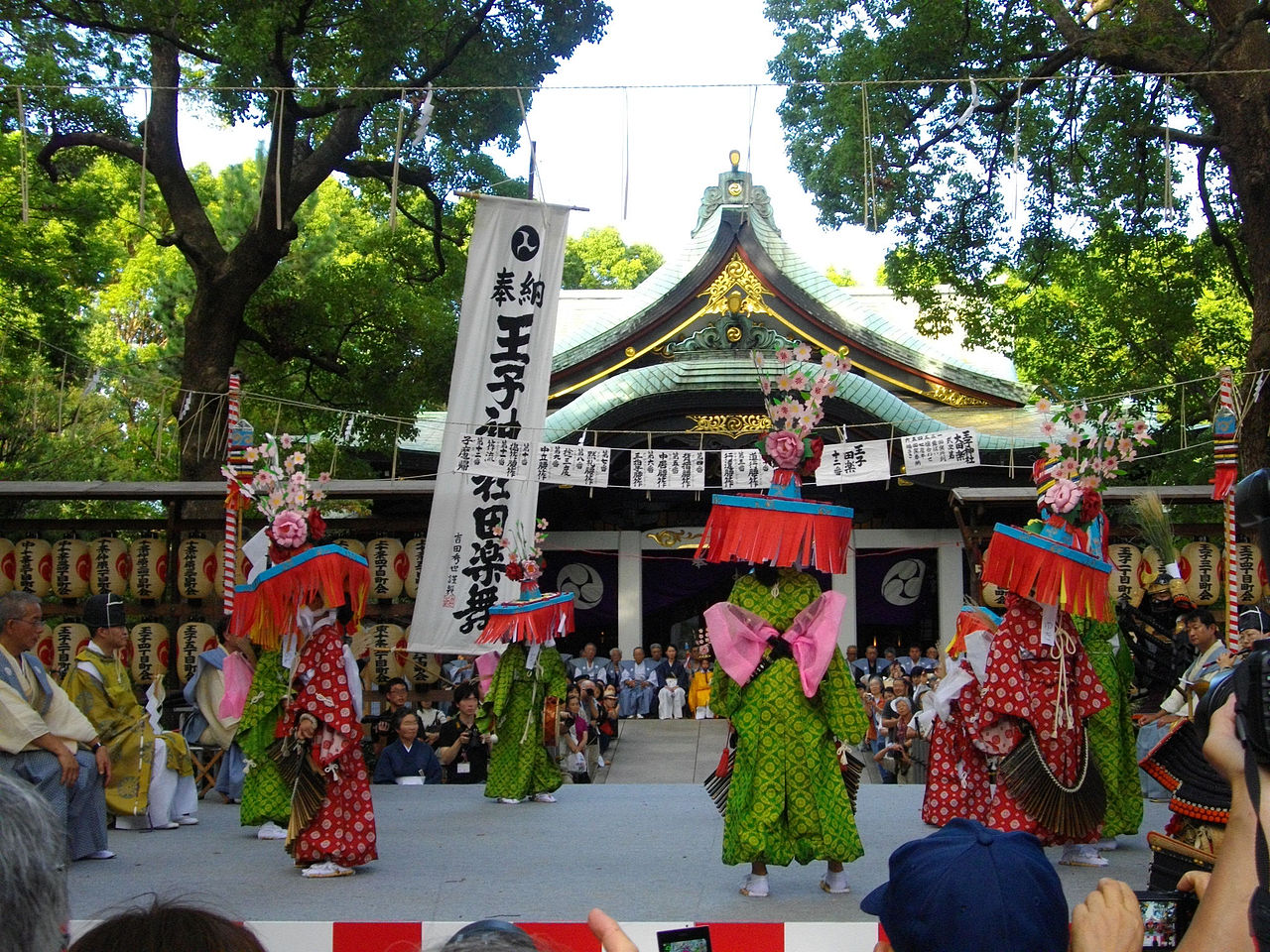
When travelers think of traditional Japanese performance arts, the slow, masked drama of Noh or the flamboyant spectacle of Kabuki often comes to mind. However, long before these theatrical forms graced the stages of Edo, the muddy rice paddies of rural Japan echoed with a different sound: Dengaku. Literally translating to “field music,” Dengaku is a fascinating intersection of agriculture, religion, and entertainment that has evolved over a millennium.
From its humble beginnings as a prayer for fertility to its surprising transformation into a beloved culinary dish, Dengaku offers a unique window into the Japanese soul. For the modern traveler, understanding Dengaku is key to appreciating the deep spiritual connection Japan maintains with its land and food.
Origins: The Roots of the Rice Field
Dengaku originated during the Heian period (794–1185) as a rustic ritual known as ta-asobi (field play). In a society heavily reliant on rice cultivation, the success of the harvest was a matter of life and death. Farmers believed that the rice spirits, or kami, needed to be entertained and appeased to ensure a bountiful crop.
During rice planting seasons, villagers would gather in the fields. Accompanied by flutes, drums, and the sasara (a wooden percussion instrument made of strung-together slats), peasants would sing and dance while others planted seedlings. These rhythmic movements were not merely for morale; they were sacred acts designed to summon the energy of the earth. Over time, these rural rites became more stylized. By the late Heian and early Kamakura periods, professional groups known as Dengaku Hoshi (Dengaku priests) emerged, bringing these field dances into the cities and the courts of the aristocracy, turning a muddy ritual into a high-art spectacle.
Legend: The Dance That Toppled a Shogunate
The allure of Dengaku was once so potent that it is said to have contributed to political collapse. While the art form is rooted in mythology—specifically the Shinto tradition of entertaining gods initiated by Ame-no-Uzume in the Kojiki—historical legends surrounding Dengaku focus on the “Dengaku Craze” of the Kamakura period.
According to the Taiheiki (Chronicle of Great Peace), the Regent Hojo Takatoki became dangerously obsessed with Dengaku. He reportedly spent his days and nights indulging in these performances, drinking heavily and dancing with the performers, utterly neglecting the affairs of the state. It is said that he even forced dogs to fight while dressed in Dengaku costumes. His obsession with the spectacle over governance is often cited in folklore as a contributing factor to the fall of the Kamakura Shogunate. This era highlights the intoxicating power of the rhythmic beat that once started in the quiet rice paddies.
Modern Culture: From Stage to Skewer
Today, Dengaku exists in two distinct forms in modern Japanese culture: the preservation of the dance and a popular style of cooking.
The Performance
While overshadowed by Noh and Kabuki, traditional Dengaku performances still exist, most notably the Nachi no Dengaku. Performed at the Nachi Fire Festival in Wakayama Prefecture, this UNESCO Intangible Cultural Heritage event features dancers in white costumes performing rhythmic rituals that have remained largely unchanged for centuries. It is a solemn, hypnotic experience that transports spectators back to medieval Japan.
The Cuisine
Ironically, most modern tourists recognize the word “Dengaku” on a menu rather than a stage. Dengaku-yaki refers to food—usually tofu, eggplant, or konjac—skewered, glazed with sweet miso paste, and grilled. The name is a visual metaphor: the skewered tofu resembles the silhouette of a Dengaku dancer balancing on high stilts (a distinctive feature of the medieval performances). When you order Nasu Dengaku (miso-glazed eggplant) at an izakaya, you are eating a dish named after a dancing priest.
Traveler’s Tips
To truly experience the world of Dengaku, consider the following itinerary tips:
- Visit the Nachi Fire Festival: Held annually on July 14th at Kumano Nachi Taisha, this is the premier place to witness the authentic Dengaku dance performed as a sacred offering.
- Eat at a Traditional Tofu House: Visit Kyoto or the post towns of the Kiso Valley to try authentic Dengaku Tofu. Look for restaurants with irori (sunken hearths) where the skewers are grilled over charcoal right in front of you.
- Visit Rural Shrines: Keep an eye out for local Matsuri (festivals) in rural farming communities during May and June (planting season) or October (harvest season). Many small shrines still perform simplified versions of ta-asobi.
Sources & Further Reading
For those interested in delving deeper into the historical and spiritual context of Japanese agricultural rituals, the following texts are essential:
- The Kojiki (Records of Ancient Matters): While pre-dating the specific term “Dengaku,” this text establishes the fundamental Shinto mythology of kami and the importance of ritual dance (kagura) to appease deities.
- The Taiheiki: A 14th-century historical epic that details the “Dengaku craze” and the fall of the Hojo clan.
- Nihon Shoki (The Chronicles of Japan): Provides early context on the imperial court’s relationship with agriculture and religious rites.