
Unveiling Kaidan: The Chilling Art of Japanese Ghost Stories
In the humid, stifling heat of a Japanese summer, there is a traditional method to cool down that does not involve air conditioning or shaved ice. It is called Kaidan (怪談), or “strange tales.” The logic is simple yet psychological: hearing a story so frightening that it sends a shiver down your spine will physically lower your body temperature. For centuries, these ghost stories have been a cornerstone of Japanese culture, evolving from ancient oral traditions to the global phenomenon of J-Horror.
The Origins: A Game of One Hundred Candles
While the concept of the supernatural in Japan dates back to the dawn of its history, the word Kaidan gained prominence during the Edo period (1603–1867). This era of peace and cultural flourishing saw the rise of a distinct parlor game known as Hyakumonogatari Kaidankai (A Gathering of One Hundred Supernatural Tales).
Samurai and commoners alike would gather in a room at night, lighting one hundred andou (paper lanterns) or candles. Participants would take turns telling a ghost story or a strange encounter. After each tale, the storyteller would extinguish one light and walk to a mirror in the next room. As the room grew darker, the tension mounted. It was believed that when the final candle was blown out, plunging the room into total darkness, a real spirit or monster (yokai) would appear.
This tradition cemented the structure of Kaidan not just as scary stories, but as a communal, ritualistic experience often tied to karma and the restless dead.
The Legend of Oiwa: Love and Betrayal
To understand Kaidan, one must look at its most famous archetype: the vengeful spirit, or Onryo. Among thousands of tales, arguably the most renowned is Yotsuya Kaidan (The Ghost Story of Yotsuya).
Written originally as a Kabuki play in 1825 by Tsuruya Nanboku IV, it tells the tragic story of Oiwa. She was a devoted wife married to a masterless samurai, Iemon. Corrupted by ambition and the desire to marry into a wealthy neighbor’s family, Iemon poisons Oiwa. The poison does not kill her immediately but disfigures her face hideously, causing her eye to droop and her hair to fall out in bloody clumps. She dies in agony, cursing Iemon with her last breath.
What follows is a terrifying haunting where Oiwa’s spirit dismantles Iemon’s life, leading him into madness and death. This story defined the visual aesthetic of Japanese ghosts: white burial robes, long disheveled black hair, and a burning grudge that transcends death.
Modern Culture: From Woodblocks to The Ring
The influence of Kaidan is inescapable in modern pop culture. The imagery established in Edo-period woodblock prints (ukiyo-e) directly influenced the J-Horror boom of the late 1990s and early 2000s.
If you have seen The Ring (Ringu) or The Grudge (Ju-On), you have witnessed modern Kaidan. Sadako, the antagonist of The Ring, is a direct descendant of Oiwa. She shares the white dress, the obscuring black hair, and the relentless curse that spreads like a virus. Even anime and manga frequently utilize tropes from traditional folklore, proving that these ancient fears remain relevant in the digital age.
Traveler’s Tips: Experiencing the Supernatural
For the culturally curious traveler, exploring the world of Kaidan offers a unique glimpse into the Japanese psyche. Here is how you can experience it:
Visit the Oiwa Inari Tamiya Shrine (Tokyo)
Located in Shinjuku, this shrine is dedicated to the spirit of Oiwa. Contrary to the horror story, the historical Oiwa was a happy wife, and the shrine is actually visited by those seeking marital bliss. However, actors and directors portraying the story still come here to pray for safety and permission before production begins, fearing the “curse” of the story.
Summer Kabuki
August is the traditional month for ghost stories (linked to the Obon festival of the dead). If you are in Tokyo or Kyoto during summer, check the Kabuki theater schedules. Plays like Yotsuya Kaidan are frequently performed during this season to “cool down” the audience.
Haunted Walking Tours
Kyoto, with its thousand-year history, is famous for its haunted spots. Several operators run “Ghost Tours” in English, taking you through dark alleyways and explaining the legends of spirits (yurei) and demons (oni) attached to specific temples and bridges.
Sources & Further Reading
For those wishing to delve deeper into the historical roots of Japanese mythology and the supernatural, the following texts are essential:
- The Kojiki (Records of Ancient Matters) & The Nihon Shoki (The Chronicles of Japan): These 8th-century texts provide the foundational myths of Japan, including early concepts of the underworld (Yomi) and the nature of spirits.
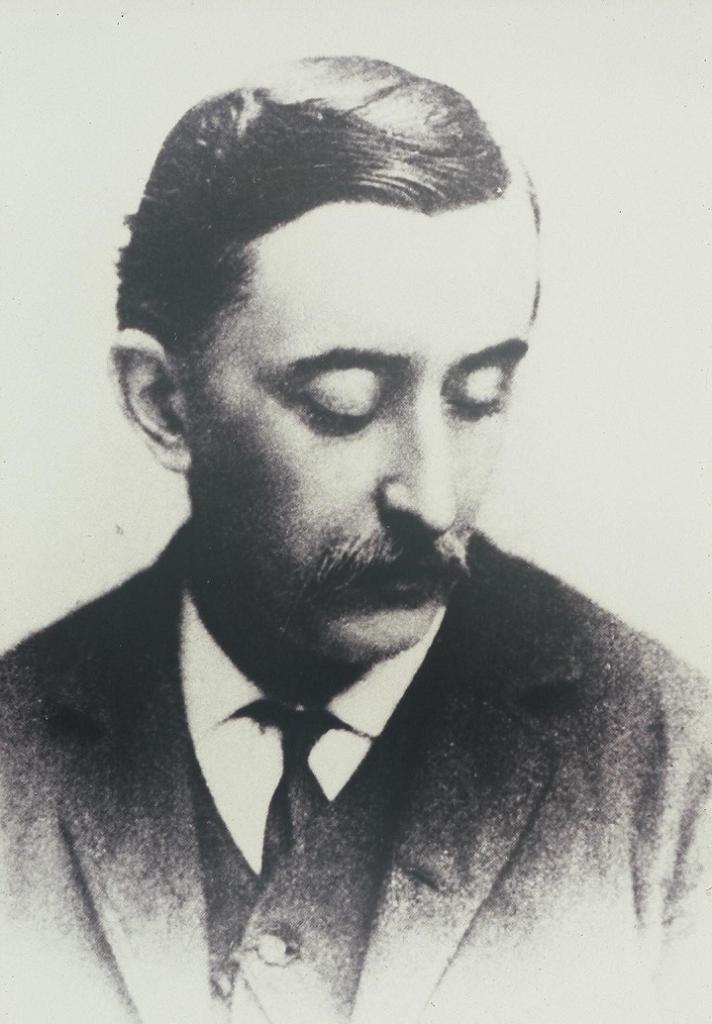
- Kwaidan: Stories and Studies of Strange Things (1904): Written by Lafcadio Hearn (Koizumi Yakumo), this book is the seminal English-language collection that introduced Japanese ghost stories to the West.
- Ugetsu Monogatari (Tales of Moonlight and Rain): A collection of nine supernatural tales by Ueda Akinari, published in 1776, considered a masterpiece of Edo literature.