
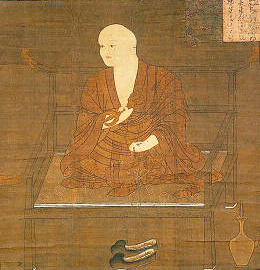
Unveiling Shingon: The Esoteric Soul of Japanese Buddhism
When travelers visualize Buddhism in Japan, the image is often one of austere Zen rock gardens or silent meditation. However, deep within the cedar forests of Wakayama Prefecture and along the rugged coastlines of Shikoku, a different, more vibrant spiritual tradition thrives. This is Shingon Buddhism (真言宗), the sect of “True Words” or mantras. Known for its elaborate rituals, burning fires, and deep mysticism, Shingon offers a travel experience that is as sensory as it is spiritual.
The Origins: Kukai’s Journey to the West
To understand Shingon, one must understand its founder, Kukai (posthumously known as Kobo Daishi). A figure of immense historical importance, Kukai was a monk, scholar, poet, and artist who lived during the Heian period.
In 804 AD, Kukai embarked on a perilous sea voyage to Tang Dynasty China. While many monks went to study established scriptures, Kukai sought the secrets of Esoteric Buddhism (Mikkyo), which taught that enlightenment could be achieved in this very lifetime through the unification of the body, speech, and mind. He studied under the master Huiguo in Xi’an and was initiated into the lineage just months before the master’s death.
Upon returning to Japan in 806 AD, Kukai established the Shingon school. Unlike other sects that focused on the historical Buddha, Shingon centers on Dainichi Nyorai (Mahavairocana), the cosmic Buddha who represents the universe itself. In 816 AD, the Emperor granted Kukai permission to build a monastic complex on Mount Koya (Koya-san), which remains the headquarters and spiritual heart of the sect today.
The Legend of the Eternal Meditation
Perhaps the most compelling aspect of Shingon for visitors is the legend surrounding Kukai’s death—or rather, his lack thereof. According to Shingon belief, Kobo Daishi did not die in 835 AD. Instead, he entered a state of eternal meditation (samadhi) in his mausoleum at Okunoin on Mount Koya.
The legend says he sits there to this day, awaiting the arrival of Maitreya (the Future Buddha), at which point he will interpret the sermons for the salvation of all sentient beings. This belief is so deeply held that monks at Okunoin still perform the Shojin Gu ritual twice daily. They prepare meals and change the robes for Kobo Daishi, carrying the offerings into the sealed mausoleum. For travelers walking through the mist-shrouded cemetery of Okunoin, lined with 200,000 ancient tombstones, the atmosphere suggests that something living indeed resides deep within the lantern-lit hall.
Shingon in Modern Culture
While Shingon is an ancient tradition, it remains a vital part of Japan’s modern cultural fabric. It is famously syncretic, having historically blended seamlessly with Shinto beliefs—a concept known as Ryobu Shinto.
The Goma Fire Ritual
One of the most spectacular ceremonies visitors can witness is the Goma Fire Ritual. Performed in temples like Narita-san in Chiba or on Mt. Koya, monks build a bonfire of wooden prayer sticks in front of the altar. As the fire roars, symbolizing the wisdom of the Buddha burning away earthly passions, the monks chant rhythmic mantras accompanied by taiko drums. It is a visceral, high-energy experience far removed from silent meditation.
The Shikoku Pilgrimage
Shingon is also the driving force behind the Shikoku 88 Temple Pilgrimage (Shikoku Henro). This 1,200-kilometer loop around the island of Shikoku traces the footsteps of Kobo Daishi. Today, thousands of modern pilgrims, known as henro, don white vests and sedge hats to walk or bus the route, seeking spiritual resetting or honoring ancestors.
Traveler’s Tips: Experiencing the Esoteric
If you wish to immerse yourself in the world of Shingon, here are the best ways to do so:
- Stay in a Shukubo (Temple Lodging): Mount Koya has over 50 temples that offer accommodation. Guests sleep on tatami mats, eat Shojin Ryori (traditional Buddhist vegetarian cuisine), and are invited to join the monks for morning prayers.
- Visit Okunoin at Night: While the mausoleum is impressive by day, a guided night tour reveals a different atmosphere. The path is lit by stone lanterns, and guides often share local folklore about the spirits residing in the cedars.
- Learn a Mantra: Don’t be afraid to participate. The most common mantra in Shingon is for Kobo Daishi: “Namu Daishi Henjo Kongo.” Reciting this while bowing at a temple connects you to the local practice.
- Respect the Sacred Space: Photography is generally prohibited in the inner sanctuaries of Shingon temples, particularly beyond the Gobyobashi Bridge at Okunoin.
Sources & Further Reading
To deepen your understanding of the historical context of Japanese spirituality and the era of Kukai, the following texts are invaluable:
- Sango Shiiki: Written by Kukai himself, this comparative text debates the merits of Confucianism, Taoism, and Buddhism.
- Kojiki (Records of Ancient Matters) & Nihon Shoki (Chronicles of Japan): While these are primary texts for Shinto mythology, reading them provides the necessary context to understand the pantheon of Kami that Shingon Buddhism eventually absorbed and synthesized during the centuries of Shinbutsu-shugo (syncretism of Kami and Buddhas).
- Kukai: Major Works by Yoshito S. Hakeda: An excellent English translation and analysis of the founder’s philosophy.