
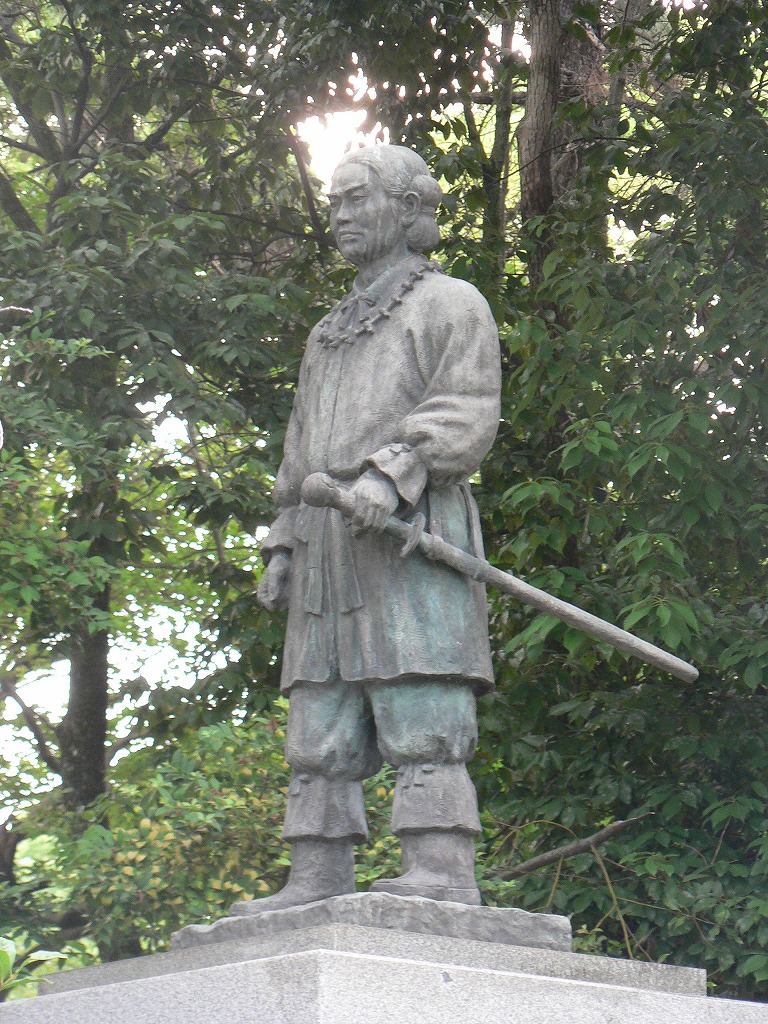
Unveiling Yamato Takeru: The Legend of Japan’s Warrior Prince
Japan is a country where the line between historical fact and ancient mythology is often beautifully blurred. Nowhere is this more evident than in the tale of Yamato Takeru, a figure often described as the Japanese equivalent of Hercules or King Arthur. For travelers and culture enthusiasts, understanding Yamato Takeru is key to unlocking the secrets behind some of Japan’s most sacred shrines and its Imperial history.
Whether you are visiting the bustling streets of Nagoya or the quiet peaks of Shiga, the footprints of this tragic hero are etched into the landscape. Let’s dive into the story of the “Brave of Yamato.”
Origins: History or Myth?
Yamato Takeru (日本武尊), originally born as Prince Osu, is a legendary prince of the Yamato dynasty, believed to have lived around the 2nd century AD. He was the son of Emperor Keiko, the 12th Emperor of Japan.
His existence is recorded in Japan’s two oldest historical chronicles: the Kojiki (Records of Ancient Matters, 712 AD) and the Nihon Shoki (The Chronicles of Japan, 720 AD). While modern historians generally view Yamato Takeru as a composite figure based on several real generals and conquerors who expanded the Yamato court’s influence, his cultural impact remains distinct and singular. He represents the ideal of the warrior poet—fierce in battle yet deeply emotional and tragic.
The Legend of the Tragic Hero
The story of Yamato Takeru is one of conquest, betrayal, and solitude. It begins with a display of brutal strength: as a young man, he killed his elder brother, shocking his father, Emperor Keiko. Fearing his son’s violent nature, the Emperor sent him on a series of perilous missions to the far reaches of the realm, ostensibly to quell rebellions, but perhaps hoping the prince would not return.
The Maid and the Sword
One of his most famous exploits occurred in Kumaso (modern-day Kyushu). To infiltrate the enemy camp, the young prince dressed as a maiden. During a banquet, when the leaders were drunk, he revealed a hidden dagger and assassinated them. Impressed by his prowess, the dying enemy leader bestowed upon him the title Yamato Takeru (The Brave of Yamato).
Later, before heading east, he visited his aunt, the high priestess at Ise Grand Shrine. She gave him the holy sword, Ame-no-Murakumo-no-Tsurugi (Sword of the Gathering Clouds of Heaven), and a bag of flint. This sword proved vital in the province of Suruga where enemies attempted to burn him alive in a field. Using the sword, he cut the grass around him and used the flint to turn the fire back on his enemies. The sword was thereafter renamed Kusanagi-no-Tsurugi (The Grass-Cutting Sword), which is now one of the Three Sacred Treasures of the Imperial Regalia.
The White Bird
Despite his victories, Yamato Takeru’s story ends in tragedy. While attempting to defeat a deity on Mount Ibuki with his bare hands, he was struck by a fatal illness (often attributed to a curse or hailstorm sent by the god). He died on the Nobono Plain, longing for his home in Yamato. Legend says his soul transformed into a giant white plover (shiratori) and flew away, landing at what is now his mausoleum.
Modern Culture and Legacy
Today, Yamato Takeru is a staple of Japanese pop culture and traditional arts. His story is a favorite in Kabuki and Noh theater, representing the archetype of loyalty and tragic destiny. In modern media, references to him appear in anime, manga, and video games like Fate/Grand Order and Okami.
Perhaps his most significant legacy is the Imperial Regalia. The Kusanagi sword, which he wielded, is considered the tangible embodiment of the Emperor’s legitimacy. While the sword itself is never shown to the public (or even the Emperor), its lore keeps the spirit of Yamato Takeru alive in the national consciousness.
Traveler’s Tips: Walking the Path of the Prince
If you want to connect with this legend during your trip to Japan, here are the essential sites to visit:
1. Atsuta Shrine (Nagoya)
This is the most significant site associated with the legend. Atsuta Jingu was built specifically to house the Kusanagi sword. While you cannot see the sword, the shrine grounds are majestic and offer a profound sense of history. It is the second most important shrine in Japan after Ise.
2. Otori Taisha (Sakai, Osaka)
According to legend, this is the final resting place where the white bird (Yamato Takeru’s soul) landed. It is a peaceful shrine known for protecting against disasters and bad luck.
3. Mount Ibuki (Shiga/Gifu Border)
The site of the hero’s final, fatal confrontation. Today, it is a popular hiking destination known for its alpine flowers and panoramic views. A statue of Yamato Takeru stands on the mountain, gazing out over the land he helped unify.
Sources & Further Reading
For those interested in reading the original translations of these myths, the following texts are essential:
- The Kojiki: Translated by Donald L. Philippi or Basil Hall Chamberlain. This text focuses heavily on the mythology and the lineage of the gods.
- The Nihon Shoki: Translated by W.G. Aston. This chronicle provides a more historical and political account of ancient Japan.
- The World of Shinto: Various academic resources on the Three Sacred Treasures (Sanshu no Jingi) provide context on the Kusanagi sword.