
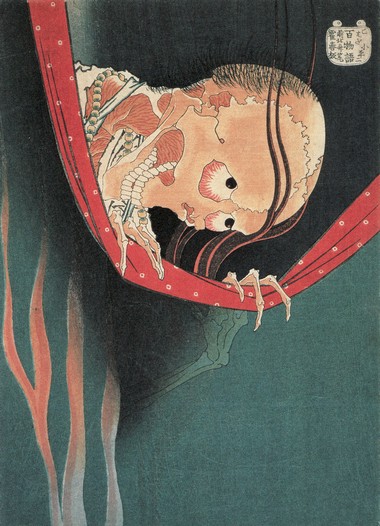
Kabuki Ghost Plays: The Chilling Art of Japanese Kaidan
In the sweltering humidity of a Japanese summer, locals have a unique method for cooling down: getting scared. This tradition, known as noryo (enjoying the cool evening breeze), often involves sharing ghost stories that send shivers down the spine. At the pinnacle of this chilling tradition sits the theater of the macabre: Kabuki Ghost Plays, or Kabuki Kaidan.
While Kabuki is often associated with flamboyant samurai and elegant dances, its repertoire of ghost stories offers a window into the darker, supernatural beliefs of Edo-period Japan. For the cultural traveler, witnessing a Kabuki ghost play is an unforgettable dive into an aesthetic of beauty, betrayal, and vengeance.
Origins: The Summer of Spirits
The tradition of staging ghost plays in summer is deeply rooted in the Japanese festival of Obon, typically held in August. During this period, it is believed that the veil between the living and the dead thins, allowing ancestral spirits to return home.
However, the Kabuki theater took this spiritual solemnity and injected it with sensationalism during the Bunka-Bunsei era (early 19th century). As the merchant class in Edo (modern Tokyo) grew wealthier and hungrier for entertainment, playwrights began crafting complex narratives involving onryo (vengeful spirits).
Unlike Western ghosts, which are often ethereal and fleeting, Kabuki ghosts are physical, visceral, and emotionally complex. The genre thrived on the innovation of stagecraft, known as keren. To bring these phantoms to life, theaters developed trapdoors (suppon), quick-change techniques (hayagawari), and aerial rigging (chunori) to allow ghosts to fly over the audience—special effects that remain impressive even in the age of CGI.
The Legend: The Curse of Oiwa
No discussion of Kabuki horror is complete without the most famous ghost story of all: Tokaido Yotsuya Kaidan (The Ghost Story of Yotsuya). Written by the legendary playwright Tsuruya Nanboku IV in 1825, it is the Shakespearean tragedy of the Japanese horror world.
The story centers on Iemon, a masterless samurai who betrays his devoted wife, Oiwa, to marry into a wealthy family. Iemon poisons Oiwa, causing her face to become hideously disfigured before she dies in agony. The play follows Iemon’s descent into madness as the disfigured spirit of Oiwa haunts him, emerging from paper lanterns and floorboards to exact her revenge.
The Real-Life Superstition
To this day, Yotsuya Kaidan is treated with immense superstitious respect. Actors and crew members believe the story carries a real curse. Before any production begins, the entire cast must visit the grave of the real Oiwa in Tokyo to offer prayers and ask for permission to perform the play. Legend has it that failing to do so results in on-set accidents or illness.
Modern Culture: From Stage to Screen
The influence of Kabuki ghost plays extends far beyond the traditional stage. The visual language established in these plays—long, unkempt black hair covering the face, white burial kimonos, and the slow, disjointed movement of the spirits—formed the blueprint for modern J-Horror.
Movies like The Ring (Ringu) and The Grudge (Ju-On) are direct descendants of the Kabuki aesthetic. Sadako, the ghost emerging from the television, is a modern interpretation of Oiwa emerging from a lantern. The psychological terror favored in Japanese media, where the fear comes from an inescapable curse rather than a jump scare, owes its pacing and tone to the slow-building tension of Kabuki dramas.
Traveler’s Tips: How to Watch Kabuki
If you are planning a trip to Japan, experiencing a Kabuki ghost play is a must, particularly if you are visiting in summer.
Where to Go
The Kabukiza Theatre in Ginza, Tokyo, is the premier venue. During the summer months, they frequently schedule kaidan performances. Alternatively, the Minamiza Theatre in Kyoto often hosts special “ghost” programs.
Tickets and Tech
- Single Act Tickets: You don’t need to sit through a four-hour program. Look for “Hitomakumi” (Single Act) tickets, which are affordable and allow you to watch just the ghost play segment.
- Earphone Guide: Kabuki uses archaic Japanese language that even locals struggle to understand. Rent the English Earphone Guide available at the theater lobby. It provides real-time commentary on the plot, cultural context, and the actor’s lineage.
- Look for the Mie: Watch for the moment the actor freezes in a dramatic pose and crosses their eyes. This is called a mie, signaling a peak emotional moment. In ghost plays, this often highlights the grotesque transformation of the spirit.
Sources & Further Reading
To deepen your understanding of the supernatural in Japanese culture, consider exploring these foundational texts:
- Tokaido Yotsuya Kaidan by Tsuruya Nanboku IV: The script is available in English translation and is essential for understanding the genre.
- Nihon Shoki (The Chronicles of Japan) and Kojiki (Records of Ancient Matters): While these 8th-century texts predate Kabuki by a millennium, they introduce the foundational concepts of the Japanese spirit world, including the wrath of deities and the existence of the afterlife (Yomi), which provided the mythological soil for later ghost stories.
- Tales of Moonlight and Rain (Ugetsu Monogatari) by Ueda Akinari: A collection of 18th-century gothic tales that inspired many Kabuki plays.