
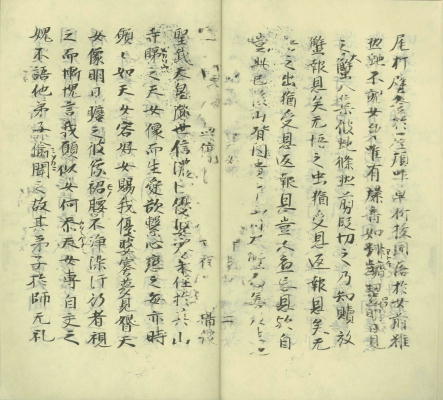
Unveiling the Nihon Ryoiki: Japan’s Ancient Tales of Karma
When travelers imagine Japan, they often visualize the neon glow of Tokyo or the serene rock gardens of Kyoto. However, beneath the surface of modern Japan lies a deep, spiritual bedrock formed by centuries of folklore and religious belief. To truly understand the Japanese concept of the supernatural and moral order, one must look back to the very beginning of setsuwa (anecdotal literature). At the heart of this tradition stands the Nihon Ryoiki—Japan’s oldest collection of Buddhist tales.
Origins: The Monk and the Miracle
Full titled Nihon Koku Genpo Zenaku Ryoiki (Record of Miraculous Events in Japan Concerning Good and Bad Retribution), this seminal text dates back to the early Heian period, approximately 822 AD. It was compiled by a monk named Kyokai (or Keikai) from the Yakushiji Temple in Nara.
Unlike the aristocratic histories of the time, such as the Kojiki or Nihon Shoki, which focused on imperial lineage and mythology, the Nihon Ryoiki was written for a different purpose: the propagation of Buddhism among the common people. Monk Kyokai lived during a time of social unrest and sought to bring order to the chaos by illustrating the universal law of karma. He gathered 116 stories designed to prove that the Buddhist law of cause and effect was not just an abstract theory, but a terrifying and awe-inspiring reality occurring right in the Japanese archipelago.
Legends of Karma and Retribution
The stories within the Nihon Ryoiki are short, punchy, and often shocking. They blend elements of indigenous Shinto beliefs with imported Buddhist philosophy, creating a unique syncretism that defines Japanese spirituality to this day.
The Structure of a Tale
Most tales follow a distinct pattern: a protagonist performs an action (good or evil), and the supernatural consequence follows, often immediately. There are stories of humans reincarnating as oxen to pay for debts, skulls repaying kindness shown to them, and mysterious spirits inhabiting the mountains.
Notable Archetypes
One recurring theme is the interaction between humans and animals. This text contains some of the earliest recorded versions of the kitsune (fox spirit) legends. In one famous tale, a man marries a woman who eventually reveals herself to be a fox. Unlike later, more malevolent depictions, these early stories often portray spirits as tragic or morally complex figures.
The overarching message is always the principle of inga (karmic retribution). Those who ridicule monks or destroy temples meet gruesome ends, while those who show compassion to animals or recite sutras are miraculously saved from execution or illness. It was a “scared straight” program for the 9th-century soul.
Influence on Modern Culture
While the Nihon Ryoiki is over a millennium old, its DNA is woven into the fabric of modern Japanese pop culture. The genre of the uncanny and the supernatural, which flourishes today in J-Horror movies, manga, and anime, finds its roots here.
- Anime and Manga: Series like Mushi-shi or Natsume Yuujinchou, which deal with the coexistence of humans and spirits within a natural setting, echo the worldview presented in Kyokai’s tales.
- Literature: The narrative style of the Ryoiki influenced later masterpieces like the Konjaku Monogatari (Tales of Times Now Past) and the eerie stories of Lafcadio Hearn.
The concept that objects and animals have souls and that one’s actions carry spiritual weight is a cultural mainstay that continues to influence how Japanese people view nature and morality today.
Traveler’s Tips: Experiencing the History
For the cultural traveler, the Nihon Ryoiki is not just a book; it is a map to ancient Nara.
- Visit Yakushiji Temple (Nara): This is the home of Monk Kyokai. One of the Seven Great Temples of Nanto, Yakushiji is a UNESCO World Heritage Site. As you walk through its precincts, imagine the monk scribbling these tales by candlelight, trying to make sense of a chaotic world.
- Explore Nara Park: Many tales involve deer and the sanctity of animals. Walking among the bowing deer of Nara Park takes on new meaning when you understand the Buddhist view of animal reincarnation found in the text.
- National Museums: Keeps an eye on exhibitions at the Nara National Museum, which occasionally displays scrolls and artifacts related to early Buddhist literature and setsuwa art.
Sources & Further Reading
To dive deeper into the world of ancient Japanese literature and history, consider exploring the following texts:
- Nihon Ryoiki (Translation): Miraculous Stories from the Japanese Buddhist Tradition, translated by Kyoko Motomochi Nakamura. This is the definitive English translation and includes excellent commentary.
- Nihon Shoki (The Chronicles of Japan): For a look at the official imperial history of the same era.
- Konjaku Monogatari: A later collection of tales that expanded on the foundation laid by the Ryoiki.
By understanding the Nihon Ryoiki, you gain more than just knowledge of a book; you gain a lens through which to view the temples, shrines, and spirits of Japan.