
Unveiling Katawaguruma: The Soul-Stealing Wheel of Japan
When travelers imagine the supernatural landscape of Japan, they often picture the whimsical spirits of Studio Ghibli films or the cute mascots found in tourist shops. However, the true history of Japanese folklore—specifically the world of yōkai (monsters and spirits)—is far darker and more surreal. Among the myriad of creatures that populate the classic “Night Parade of One Hundred Demons,” few are as visually arresting or as chilling as the Katawaguruma.
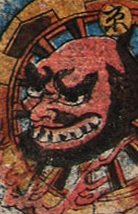
A flaming ox-cart wheel with a woman’s tormented face at its center, the Katawaguruma is a haunting reminder of the Edo period’s vivid imagination. For cultural enthusiasts and travelers visiting Japan, understanding these legends adds a rich, mysterious layer to the ancient streets of Kyoto and beyond.
The Origins of the Flaming Wheel
The name Katawaguruma (片輪車) roughly translates to “imperfect wheel” or “half-wheel vehicle.” While Japanese mythology has roots in ancient texts, this specific creature rose to prominence during the Edo period (1603–1867), a golden age for ghost stories and supernatural art.
Literary Beginnings
The entity is most famously documented in the Shokoku Rijin Dan (Tales of Villagers from Various Provinces), published in the mid-18th century. Unlike the gods described in Japan’s oldest chronicles, the Katawaguruma was born from the superstitions of the common people. It is often confused with a similar yōkai called the Wanyūdō (a monk’s head on a wheel), but the Katawaguruma is distinctly female and carries a different set of cautionary morals.
Artistic Depiction
The visual crystallization of this yōkai is largely credited to Toriyama Sekien, the master ukiyo-e artist who cataloged supernatural beings. In his work Konjaku Gazu Zoku Hyakki (The Illustrated One Hundred Demons from the Present and the Past), the Katawaguruma is depicted shrouded in flames, rolling through the night, evoking a sense of inescapable dread.
The Legend: A Cautionary Tale
Folklore is rarely just about scaring children; it often enforces social norms. The legend of the Katawaguruma is a prime example of a cautionary tale against curiosity and voyeurism.
According to the lore, the Katawaguruma wanders the streets of villages at night. It was believed that any house caught peeking at the spirit would be cursed. In one famous iteration of the story from the Shokoku Rijin Dan, a woman in a village near Kyoto heard a rumbling sound outside her home. Overcome by curiosity, she peeked through the crack in her wooden door.
She saw a wheel engulfed in flames with a woman’s face in the center, riding upon it. The spirit noticed the woman watching and shouted, “Instead of looking at me, you should be looking at your child!”
The woman turned back to find her child missing—some versions say spirited away, others say their legs were taken. The legend served as a grim warning: respect the unknown and prioritize your family duties over idle curiosity.
Modern Culture and Media
While the Katawaguruma was once a source of genuine fear, modern Japan has embraced its yōkai heritage with a mix of reverence and pop-culture flair.
Anime and Manga
The creature has found its way into the beloved series GeGeGe no Kitaro by Shigeru Mizuki, which single-handedly revived interest in yōkai in the 20th century. In video games like the Persona and Shin Megami Tensei series, or the samurai epic Nioh, wheel-based demons (often a fusion of Wanyūdō and Katawaguruma) appear as formidable enemies, introducing the concept to a global audience.
The Metaphor Remains
Today, the Katawaguruma is analyzed by cultural critics as a symbol of the “wheel of suffering” in Buddhism or the inescapable nature of karmic retribution, proving that these monsters are more than just scary stories—they are philosophical metaphors.
Traveler’s Tips: Hunting Yōkai in Japan
If you are fascinated by the legend of the Katawaguruma, you can immerse yourself in yōkai culture during your next trip to Japan. Here is where to look:
1. Yokai Street (Ichijo-dori), Kyoto
Located in northern Kyoto, Ichijo-dori is the legendary path of the Night Parade of One Hundred Demons. Today, the local shopping street has embraced this history. You will find homemade monsters outside shops, yōkai-themed breads, and perhaps even artistic depictions of the flaming wheel.
2. The International Manga Museum, Kyoto
To see the visual evolution of creatures like the Katawaguruma, visit this museum. It houses an extensive archive of manga, including the works of Shigeru Mizuki, allowing you to trace the artistic lineage of these spirits.
3. Kodaiji Temple, Kyoto
In the summer, many temples in Kyoto, including Kodaiji, hold “Hyakki Yako” (Night Parade) exhibitions or display scroll paintings of ghosts and demons. It is the perfect atmospheric setting to visualize the flaming wheel rolling down a cobblestone path.
Sources & Further Reading
For those wishing to delve deeper into the historical texts that formed the foundation of Japanese mythology and folklore, the following are essential:
- Shokoku Rijin Dan (1746): The primary Edo-period source for the specific legend of the Katawaguruma.
- Konjaku Gazu Zoku Hyakki (1779): Toriyama Sekien’s illustrations which defined the yōkai’s appearance.
- Nihon Shoki & Kojiki: While these ancient texts (dating to the 8th century) focus on Shinto gods rather than yōkai, they provide the necessary context for understanding the spiritual worldview of ancient Japan.