
Meeting Ta-no-Kami: Japan’s Guardians of the Rice Fields
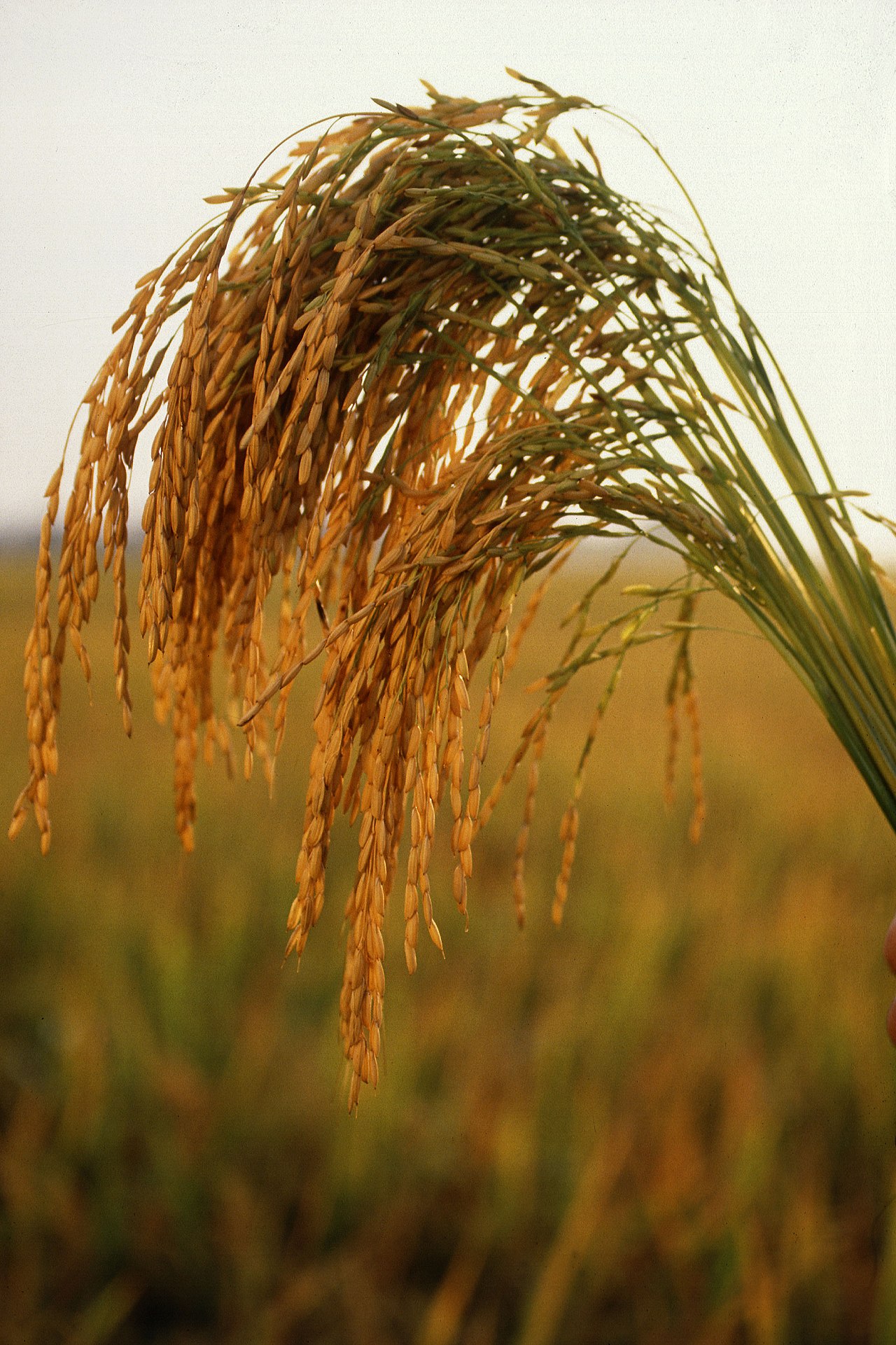
When travelers envision the Japanese countryside, the image is almost invariably painted in shades of green: terraced rice paddies reflecting the sky, bending gently in the breeze. While these landscapes are visually stunning, for the locals, they are spiritually charged spaces inhabited by the Ta-no-Kami (God of the Rice Field). These deities are not distant figures of mythology but intimate guardians of the harvest, deeply woven into the fabric of rural Japanese life.
Introduction
Japan’s indigenous religion, Shinto, is animistic, seeing spirits (kami) in all things—from rocks and waterfalls to trees and mountains. Among these countless deities, few are as essential to survival and culture as the Ta-no-Kami. Rice is more than just a staple food in Japan; it is the currency of history and the soul of the cuisine.
The Ta-no-Kami is the unseen protector of these paddies, ensuring the crop grows strong and the harvest is plentiful. While often invisible, in certain regions, they are represented by charming, rustic stone statues that have become icons of folk art. For the cultural traveler, understanding Ta-no-Kami unlocks a deeper appreciation of Japan’s agricultural heritage.
Origins: The Mountain and the Field
One of the most fascinating aspects of Ta-no-Kami is that this deity is often considered a transient form of another god: Yama-no-Kami (God of the Mountain).
According to ancient folk belief, the deity resides in the mountains during the winter, watching over the dormant land. As spring arrives and the farming season begins, the god descends from the peaks to become the Ta-no-Kami, dwelling in the rice paddies to oversee the planting and growth. This descent usually corresponds with rituals held around March. Once the harvest is complete in late autumn (typically November), the god ascends back to the heights, becoming the Yama-no-Kami once more.
This cycle represents the intrinsic link between the forest and the farm. The mountains provide the water that irrigates the fields, creating a symbiotic relationship that the ancient Japanese personified through this migrating spirit.
Legend and Ritual: The Aenokoto
While specific legends vary by region, one of the most poignant illustrations of the relationship between farmers and the Ta-no-Kami is the ritual known as Aenokoto.
Practiced primarily in the Noto Peninsula of Ishikawa Prefecture, Aenokoto is a designated UNESCO Intangible Cultural Heritage event. During this ritual, the head of the household acts as a master of ceremonies, inviting the Ta-no-Kami into their home as a guest of honor. Because the god is invisible, the farmer mimics the actions of guiding a guest: opening doors, offering a bath, and serving a lavish meal. The farmer talks to the empty space, describing the food and thanking the deity for the harvest. It is a legend enacted in real-time, showcasing the profound respect and intimacy between the cultivator and the divine.
In other legends, the Ta-no-Kami is sometimes depicted as having a physical disability or being blind, which is why they must be guided by humans or require loud noises (like drums or clapping) to know where the offerings are placed.
Modern Culture: The Stones of Kyushu
While the concept of Ta-no-Kami exists nationwide, the physical representation is most famous in southern Kyushu, particularly in Kagoshima and Miyazaki prefectures. Here, they are affectionately called “Ta-no-Kami-saa.”
Unlike the fearsome statues found at temple gates, Ta-no-Kami statues are approachable, humorous, and distinctly human. Carved from stone, they often depict a smiling peasant wearing a cowl, holding a rice scoop (shamoji) in one hand and a bowl in the other. They look less like gods and more like happy neighbors.
In modern culture, these statues are preserved as tangible folk history. During festivals, locals often paint the statues with bright colors—applying lipstick or blush to the stone faces—to make the god look festive. It is a joyous, living tradition that keeps the community connected to the land.
Traveler’s Tips
If you wish to seek out the Ta-no-Kami, here is how to maximize your experience:
- Where to Go: The best place to see physical representations of these gods is Ebino City in Miyazaki Prefecture and various rural towns in Kagoshima Prefecture. There are “Ta-no-Kami Road” maps available in local tourist centers.
- When to Visit: The statues are there year-round, but visiting during the planting season (May/June) or the harvest season (September/October) offers the most atmospheric backdrop of lush or golden fields.
- Etiquette: These statues are often located on private farmland or roadsides. Do not enter the rice paddies (which can damage the crop) and treat the stones with respect. Do not climb on them or move offerings left by locals.
Sources & Further Reading
For those interested in the deep historical and theological roots of Japanese agricultural deities, the following texts and scholars provide essential context:
- The Kojiki (Records of Ancient Matters): While Ta-no-Kami is a folk term, the official Shinto deities of grains, such as Toyouke-Omikami and Uka-no-Mitama (associated with Inari), are detailed here.
- The Nihon Shoki (The Chronicles of Japan): Provides further mythological context regarding the divine origins of agriculture in Japan.
- Yanagita Kunio: The father of Japanese folklore studies (Minzokugaku), whose works extensively cover the relationship between mountain and field deities.
- UNESCO Intangible Cultural Heritage: Look up “Aenokoto” for detailed documentation on the ritualistic treatment of the field god.