
Kumano Gongen: The Divine Spirits of the Sacred Pilgrim Path
Deep within the verdant, mist-shrouded mountains of the Kii Peninsula in Wakayama Prefecture lies the spiritual heartland of Japan. For over a millennium, emperors, aristocrats, and commoners alike have walked the arduous trails known as the Kumano Kodo to worship at the Kumano Sanzan—the three Grand Shrines. At the center of this pilgrimage is a unique spiritual concept known as Kumano Gongen.
To understand Kumano Gongen is to understand the complex, layered history of Japanese religion. It is a story of nature worship, the fusion of foreign and domestic beliefs, and the enduring power of sacred landscapes. This article explores the origins, legends, and modern significance of these fascinating deities.
The Origins: A Fusion of Kami and Buddha
The term Gongen (権現) literally translates to “incarnation” or “avatar.” In the context of Japanese religious history, it refers to the phenomenon of Shinbutsu-shugo (the syncretism of Shinto and Buddhism).
Prior to the separation of Shinto and Buddhism in the Meiji era (late 19th century), the Japanese people did not view the two religions as distinct. Instead, they operated under the theological theory of Honji Suijaku. According to this theory, the Buddhas and Bodhisattvas of India (the Honji or “original ground”) chose to appear in Japan as Shinto Kami (the Suijaku or “trace manifestation”) to save sentient beings.
The Kumano Gongen are the prime examples of this synthesis. The three main deities of the Kumano Sanzan correspond to specific Buddhist figures:
- Kumano Hongu Taisha: The deity Ketsumiko no Okami is identified as Amida Nyorai (the Buddha of Infinite Light).
- Kumano Nachi Taisha: The deity Fusumi no Okami is identified as Senju Kannon (the Thousand-Armed Goddess of Mercy).
- Kumano Hayatama Taisha: The deity Hayatama no Okami is identified as Yakushi Nyorai (the Medicine Buddha).
Pilgrims believed that by visiting these shrines, they were not just honoring local nature spirits, but stepping into the Pure Land of the Buddhist cosmos.
The Legend of the Three-Legged Crow
While the theological origins of Kumano Gongen are rooted in Buddhist philosophy, the mythological roots dig deep into Japan’s oldest legends. One cannot speak of Kumano without mentioning the Yatagarasu, the three-legged crow.
According to legend, the Yatagarasu is a divine messenger of the Kumano deities. In the founding myths of Japan, when the first Emperor, Jimmu, was navigating the treacherous terrain of the Kii Peninsula to reach the Yamato plain, he became hopelessly lost. The Sun Goddess Amaterasu sent the Yatagarasu to guide him through the mountains.
This crow remains a potent symbol of guidance and divine intervention. Today, you will see the image of the three-legged crow on amulets throughout the Kumano shrines, symbolizing the ability of the Kumano Gongen to guide lost souls toward enlightenment and safety. It represents the benevolent nature of the Gongen—spirits that do not merely exist in the abstract, but actively participate in the guidance of humanity.
Modern Culture and the “Land of Rebirth”
In contemporary Japan, the worship of Kumano Gongen has evolved, yet the core essence remains. The Kumano region is often referred to as the “Land of Resurrection” or Yomigaeri. The act of trekking the Kumano Kodo is seen as a metaphorical death and rebirth; pilgrims enter the mountains burdened by their past and emerge cleansed and renewed.
Cultural preservation has become a significant aspect of the region. In 2004, the “Sacred Sites and Pilgrimage Routes in the Kii Mountain Range” were designated as a UNESCO World Heritage site. This recognition has brought a global audience to the shrines, shifting the demographic from purely religious devotees to spiritual tourists and hikers seeking connection with nature.
Despite modernization, the rituals remain. The Fire Festivals of Nachi and the boat rituals on the Kumano River continue to honor the Gongen, keeping the heartbeat of ancient Japan alive in the 21st century.
Traveler’s Tips for Visiting Kumano
Visiting the dwelling place of the Kumano Gongen is a transformative experience, but it requires planning.
1. Access and Logistics
The Kii Peninsula is remote. The gateway cities are typically Tanabe (on the west coast) or Shingu (on the east coast). You can access these areas via train from Osaka (JR Kuroshio Limited Express) or Nagoya (JR Nanki Limited Express).
2. Choosing Your Route
For those who wish to walk the path of the Gongen, the Nakahechi Route is the most popular and historically significant. It connects the three grand shrines. Beginners might choose the walk from Hosshinmon-oji to Kumano Hongu Taisha (approx. 7km), which offers a gentle introduction to the atmosphere of the pilgrimage.
3. Shrine Etiquette
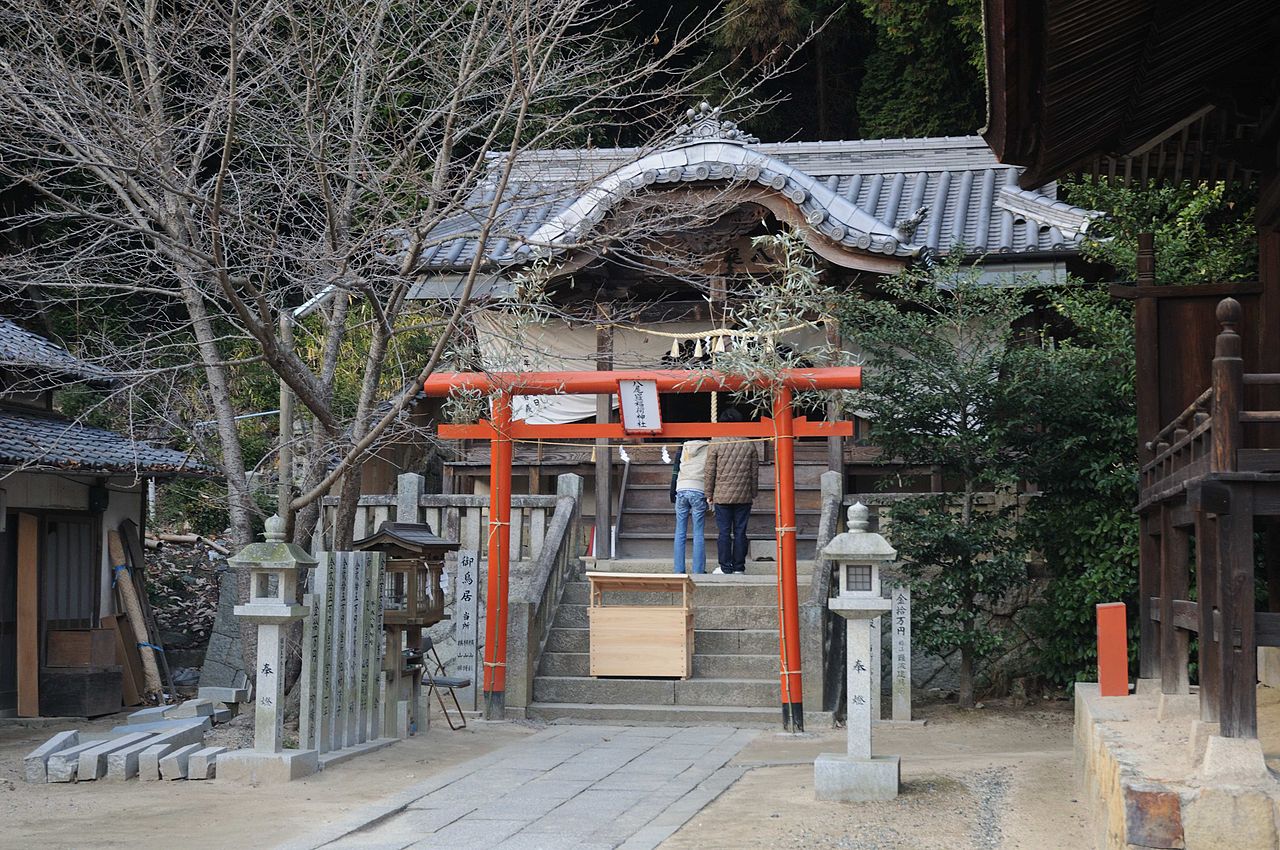
When approaching the main halls, bow at the torii gate. Wash your hands and mouth at the purification fountain (temizuya). At the offering box, bow twice, clap your hands twice, pray silently to the Gongen, and bow once more.
4. Collect Goshuin
Bring a Goshuin-cho (stamp book). The calligraphy stamps from the Kumano Sanzan are incredibly artistic, often featuring the Yatagarasu, and serve as a spiritual passport of your journey.
Sources & Further Reading
For those interested in delving deeper into the history and mythology of Kumano Gongen, the following texts are essential:
- The Kojiki (Records of Ancient Matters): For the accounts of Emperor Jimmu and the Yatagarasu.
- The Nihon Shoki (Chronicles of Japan): Providing alternative historical perspectives on the region’s mythology.
- Ryojin Hisho: A collection of songs from the late Heian period that famously mentions the popularity of the Kumano pilgrimage (“Ants to Kumano”).
- UNESCO World Heritage Documents: For detailed maps and conservation history of the Kii Mountain Range.